





Interviews and Publications
How to Integrate Spiritual Healing With Traditional Therapy Using The Chiron Effect
Have you ever sat on a therapist's couch, or perhaps in a Zoom therapy session, and felt like you were doing great work on your thoughts, yet something deeper in your soul still felt untouched?
Many of us have been there. We check the boxes of traditional psychotherapy: we analyze our childhoods, we identify our triggers, and we work on cognitive reframing. These are vital tools, but sometimes there’s a missing piece, a spiritual hunger or a deep-seated energetic wound that logic alone can’t reach.
At Nolatherapy, I’ve spent my career bridging this exact gap. I believe that true transformation happens when we stop separating the "clinical" from the "spiritual." By using the framework I developed in my book, The Chiron Effect: Healing Our Core Wounds through Astrology, Empathy, and Self-Forgiveness, we can create a holistic path to healing that honors your mind, your body, and your spirit.
What is The Chiron Effect?
In Greek mythology, Chiron was known as the "Wounded Healer." Despite being a master of medicine and music, he suffered from a wound he could not heal himself. In astrology, Chiron represents our deepest core wounds, the ones that often feel repetitive or unsolvable.
But here’s the beautiful part: the very place where you are wounded is also the source of your greatest wisdom and healing power. The Chiron Effect is a method of identifying these wounds based on where Chiron was positioned in the sky at the moment of your birth. By understanding these specific vulnerabilities, we can use targeted empathy and self-forgiveness to move from a state of suffering into a state of service and peace.
Why Integration is the Key to Lasting Change
Traditional therapy (the "traditional" side of things) is excellent for the "what" and the "how" of our behavior. It helps us navigate couples' issues or manage the way stress affects our bodies.
Spiritual healing, on the other hand, deals with the "why" of our existence and our connection to the universe. When we integrate the two, we stop treating symptoms and start healing the essence of who we are.
Here are three core principles for integrating spiritual healing with traditional therapy:
1. Body-Mind Energetic Integration
The Chiron approach emphasizes that our bodies hold onto our history. You might have the "right" thoughts, but if your nervous system is still stuck in a "fight or flight" response, you won’t feel healed.
In my practice, I encourage "energetic contact." This means becoming deeply aware of somatic resonance, the physical sensations that arise when we talk about our wounds. Does your chest tighten? Does your throat close up? Instead of just talking about these feelings, we use spiritual practices like Yoga Nidra or guided meditation to breathe into those spaces. This allows the nervous system to regulate, creating a safe container for deep psychological work.
2. Reframing Vulnerability as Wisdom
In a traditional clinical setting, a "wound" is often seen as a deficit. In the world of The Chiron Effect, your wound is your superpower in training.
By looking at your Chiron placement, we can identify whether your core wound is related to a sense of belonging, worthiness, or communication. When you stop viewing your vulnerability as a weakness and start seeing it as a roadmap to your purpose, the healing process shifts from "fixing" to "unfolding." This shift in perspective is inherently spiritual; it acknowledges that your essence remains untouched by trauma, even while your personality is doing the hard work of healing.
3. The Therapeutic Relationship as a Sacred Mirror
The bond between a therapist and a client is more than just a professional contract; it is a transformative energetic exchange. As a "wounded healer" myself, I don’t sit behind a mask of clinical perfection. I show up with compassion and authenticity.
Research shows that the therapeutic relationship itself is often the most essential element of healing. When you feel seen in your most vulnerable state by someone who is also doing their own inner work, it creates a "somatic resonance" that facilitates change faster than any worksheet ever could.
Insights from "All Things Therapy"
On my podcast, All Things Therapy, I’ve had the privilege of interviewing experts who operate at the intersection of science and spirituality. One recurring theme is the power of neuroplasticity, the brain’s ability to rewire itself.
What’s fascinating is that spiritual practices like prayer, creative expression, and mindfulness are some of the most effective ways to trigger this neuroplasticity. When we combine these with the psychological frameworks found in The Chiron Effect, we aren't just talking about our problems; we are literally changing the physical structure of our brains.
For example, I recently discussed how nurturing activities, whether that's gardening, painting, or spending time in nature, can be forms of "spiritual medicine" that complement traditional cognitive behavioral therapy. You can listen to more of these insights on my interviews page.
Practical Steps to Start Your Integration Journey
If you’re feeling called to bring more soul into your healing process, here’s how you can start today:
- Identify Your Core Wound: You don’t need to be an astrology expert. You can use the resources in my book to find your Chiron sign and see if the descriptions of the core wounds resonate with your life patterns.
- Practice Self-Forgiveness: This is the "spiritual lubricant" of the Chiron method. We often hold onto shame for our wounds. Spiritual healing begins when we forgive ourselves for the coping mechanisms we developed to survive.
- Combine Talk with Silence: For every hour you spend talking through your problems, try to spend fifteen minutes in silence or meditation. This allows the insights from your "mind" to drop down into your "heart."
- Seek Holistic Support: Look for practitioners who are comfortable discussing both your mental health and your spiritual beliefs. At Nolatherapy, we offer a range of services designed to meet you exactly where you are.

Healing is Not a Destination
I always tell my clients that healing isn't about reaching a point where you never feel pain again. It’s about expanding your capacity to hold that pain with grace, curiosity, and compassion.
When you integrate spiritual healing with traditional therapy, you aren't just seeking "relief", you are seeking "return." You are returning to your true self, the part of you that is already whole, already worthy, and already connected to something greater than yourself.
If you’re ready to dive deeper into this work, I invite you to explore the principles of the "Wounded Healer" and discover how your greatest challenges can become your greatest gifts.
Ready to transform your life?
The journey to integration begins with understanding your unique blueprint for healing.
Whether you are a seasoned seeker or just starting your therapy journey, this book offers a compassionate roadmap to help you bridge the gap between where you are and where your soul wants to be.
If you’d like to work with me directly to apply these principles to your own life, please visit my scheduling page or contact me to set up a consultation. Let’s do this work together.

The Ultimate Guide to Understanding Your Core Wounds: Everything You Need to Succeed
Have you ever felt like you’re stuck on a loop? Maybe you keep attracting the same type of unavailable partner, or perhaps you find yourself spiraling into intense anxiety the moment a friend doesn't text you back immediately. It feels heavy, frustrating, and, honestly, a little exhausting.
If you’ve been nodding your head, I want you to take a deep breath. You aren't "broken," and you aren't failing at life. What you’re likely experiencing are the echoes of your core wounds.
As a therapist and the founder of Nolatherapy, I’ve spent years helping people navigate these deep-seated emotional patterns. In my book, The Chiron Effect, and on my podcast, All Things Therapy, I talk extensively about how these wounds shape our lives. But more importantly, I talk about how we can heal them.
This guide is designed to help you understand what core wounds are, how they show up in your daily life, and how you can use the power of Psychoastrology® to finally break the cycle.
What Are Core Wounds, Anyway?
Think of a core wound as a piece of "emotional software" running in the background of your mind. These wounds are deeply rooted beliefs about your safety, your worth, and your ability to connect with others. They usually develop in childhood when our fundamental emotional needs go unmet.
These aren't clinical diagnoses; they are learned survival strategies. When you were young, your nervous system had to answer big questions: Am I safe? Am I loved? Can I trust the people around me?
If the answer was "not always" or "no," your brain created a "wound" to protect you. For example, if you felt invisible as a child, you might have developed a core wound of Invisibility. To survive, you learned to be hyper-independent or to suppress your needs so you wouldn't be a "burden."

The 12 Areas of Vulnerability: The Chiron Connection
In my work, I combine psychology with astrology through a method I call Psychoastrology®. This is a central theme in my book, The Chiron Effect: Healing Our Core Wounds through Astrology, Empathy, and Self-Forgiveness.
In Greek mythology, Chiron was the "Wounded Healer." In your astrological birth chart, the placement of Chiron indicates where you carry your deepest soul-wound. By identifying where Chiron sits in your chart, we can pinpoint which of the 12 core wounds you are most likely to struggle with.
Some common core wounds include:
- Abandonment: The constant fear that people will leave you. This often leads to "clingy" behavior or a desperate need for reassurance.
- Rejection: The belief that you are unwanted. You might push people away first just so they can't reject you later.
- Shame/Defectiveness: The feeling that you are fundamentally flawed. This often shows up as paralyzing perfectionism.
- Injustice: A hyper-sensitivity to unfairness, often leading to anger or a "crusader" mentality that leaves you burnt out.
Understanding these isn't about blaming your parents or your past. It’s about gaining the awareness you need to change your future.
How to Spot Your Core Wounds in Daily Life
Core wounds don't usually walk up and introduce themselves. Instead, they show up in your "triggers."
A trigger is a disproportionate emotional reaction to a situation. If a minor critique from your boss sends you into a three-day depressive spiral, that’s not just about the critique: that’s your core wound of Inadequacy being poked.
Look for the Patterns
Do you find yourself saying things like:
- "I’ll never be enough, no matter how hard I work."
- "I can’t trust anyone; eventually, they’ll let me down."
- "My needs don't matter, so why bother asking?"
These aren't facts; they are the voice of your wound. These beliefs create a "Repetition Cycle." If you fear abandonment, you might act in ways that actually push people away, which then "confirms" your belief that people leave. It’s a loop that feels impossible to escape: until you bring empathy into the equation.

The Path to Healing: From Wounded to Healer
Healing doesn't mean the wound disappears entirely. It means the wound no longer sits in the driver’s seat of your life. In The Chiron Effect, I outline a process of self-forgiveness and empathy that allows you to integrate these parts of yourself.
1. Awareness and Naming
You cannot heal what you don't acknowledge. Start by noticing when you feel "activated." Name the feeling. Is it a fear of being left? Is it a feeling of being "less than"? If you want to dive deeper into this, listening to episodes of the All Things Therapy podcast can give you real-world examples of how others have named and tamed their wounds.
2. Radical Compassion
We are often our own harshest critics. When your core wound flares up, your instinct might be to judge yourself for being "dramatic" or "weak." Instead, try to offer that younger version of yourself some compassion. That wound was created to help you survive. Thank it for its service, and gently remind yourself that you are safe now.
3. Therapeutic Support
Sometimes, the wounds are too deep to navigate alone. Whether it’s through Zoom therapy or individual sessions, having a compassionate guide can make all the difference. We use tools like attachment-based therapy and somatic work to help your nervous system learn that it’s okay to let its guard down.

Why Understanding Your Core Wounds Is the Key to Success
You might wonder, “What does this have to do with success?”
The truth is, your core wounds dictate your capacity for success in every area of your life: your career, your relationships, and your physical health. When you are operating from a place of unhealed wounding, you are making decisions based on fear.
When you heal, you start making decisions based on purpose.
Imagine being able to walk into a room and not care if everyone likes you, because you finally like yourself. Imagine being able to set a boundary in your relationship without fearing that it will end the connection. That is the freedom that comes from doing this work.
Take the Next Step on Your Journey
If you’re ready to stop the cycle and start the healing, I highly recommend picking up a copy of my book, The Chiron Effect. It’s a practical, compassionate guide to using Psychoastrology® to transform your life. It’s not just about theory; it’s about giving you the actual tools to heal.
Also, be sure to tune into the All Things Therapy podcast. We explore these themes with incredible guests, offering insights into empathy, self-transformation, and mental wellness. You can find many of those conversations right here on our interviews page.

Final Thoughts from Lisa
Healing is a journey, not a destination. Some days will feel easier than others, and that’s okay. The fact that you are here, reading this and seeking understanding, is a massive first step.
You deserve to live a life that isn't dictated by your past. You deserve to feel whole, seen, and valued. If you’re feeling overwhelmed, reach out. You can schedule a session or contact us to see how we can support you.
Remember: Your wounds are the places where the light enters you. Let’s turn those wounds into your greatest strengths.
Ready to dive deeper? Purchase 'The Chiron Effect' here and start your transformation today.
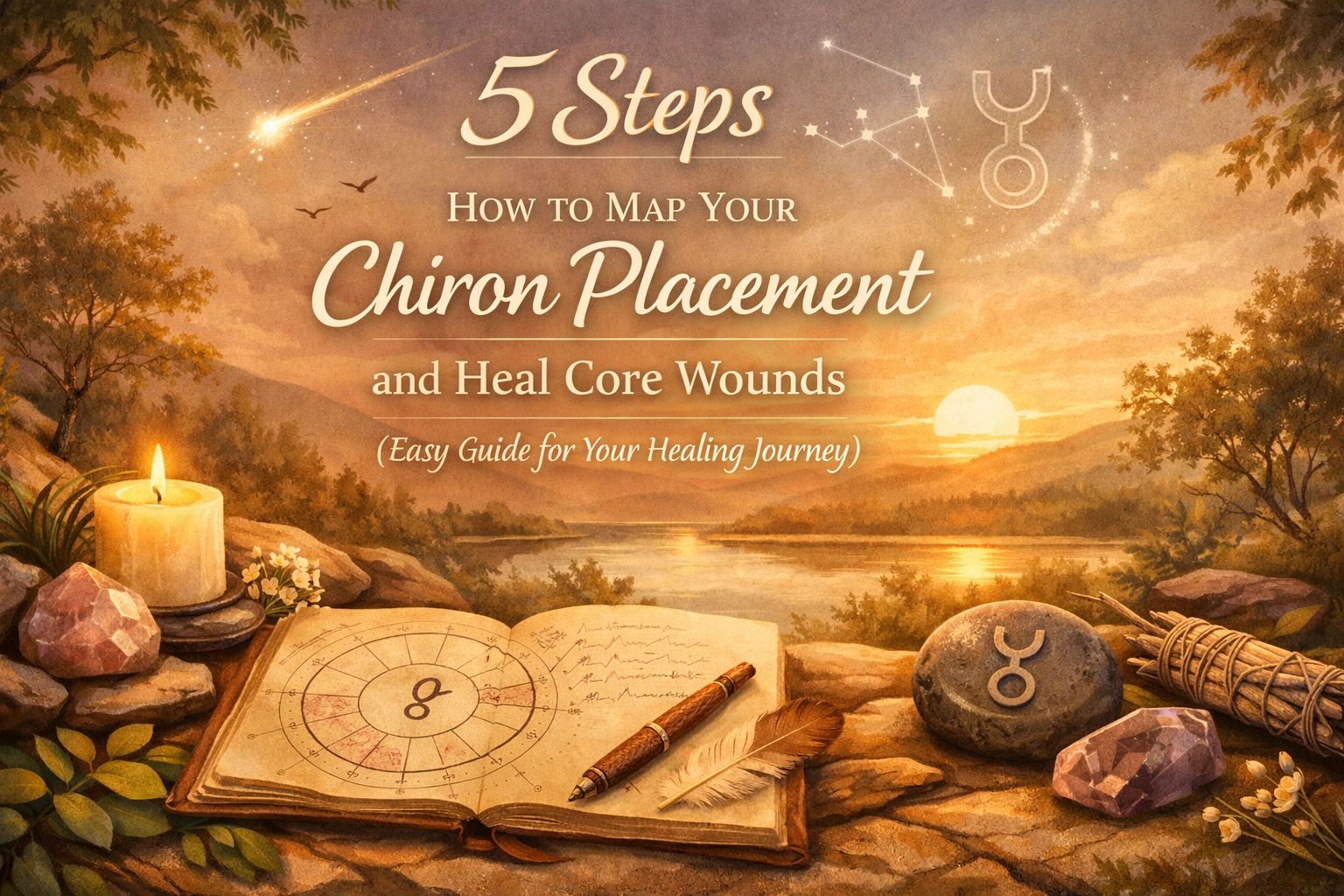
5 Steps How to Map Your Chiron Placement and Heal Core Wounds (Easy Guide for Your Healing Journey)
Have you ever felt like there is a specific area of your life where you keep running into the same brick wall? Perhaps it’s a recurring feeling of not being "enough," a struggle to feel financially secure despite your hard work, or a pattern of self-sabotage in your closest relationships.
In my work as a therapist and through the years of research that went into my book, The Chiron Effect: Healing Our Core Wounds through Astrology, Empathy, and Self-Forgiveness, I’ve discovered that these patterns aren't just "bad luck." They are often tied to what we call our Chiron placement.
In Greek mythology, Chiron was known as the "Wounded Healer." Unlike other gods, he couldn't heal his own wound, but through his struggle, he became a master of medicine and a mentor to heroes. In your birth chart, Chiron represents your deepest emotional wound, but also your greatest capacity for empathy and wisdom.
If you’re ready to stop running from the pain and start using it as a bridge to your highest self, this guide is for you. Here are five simple steps to map your Chiron placement and begin your healing journey.
Step 1: Gather Your Birth Data
Before we can dive into the "why" of your recurring struggles, we need the "where." Astrology is a precise map of the heavens at the exact moment you took your first breath. To find your Chiron placement, you’ll need:
- Your Date of Birth: Day, month, and year.
- Your Exact Time of Birth: This is crucial. Even a few minutes can change which "House" Chiron sits in. Check your birth certificate if you can!
- Your Place of Birth: City and state/country.
Chiron has an unusual, elliptical orbit. It takes about 50 years to travel through all twelve signs of the zodiac, but it spends a disproportionate amount of time in some signs compared to others (it stays in Aries for about eight years, but only about two years in Libra). Because of this "wobble," having your exact data ensures your map is accurate.
Step 2: Calculate Your Chiron Sign and House
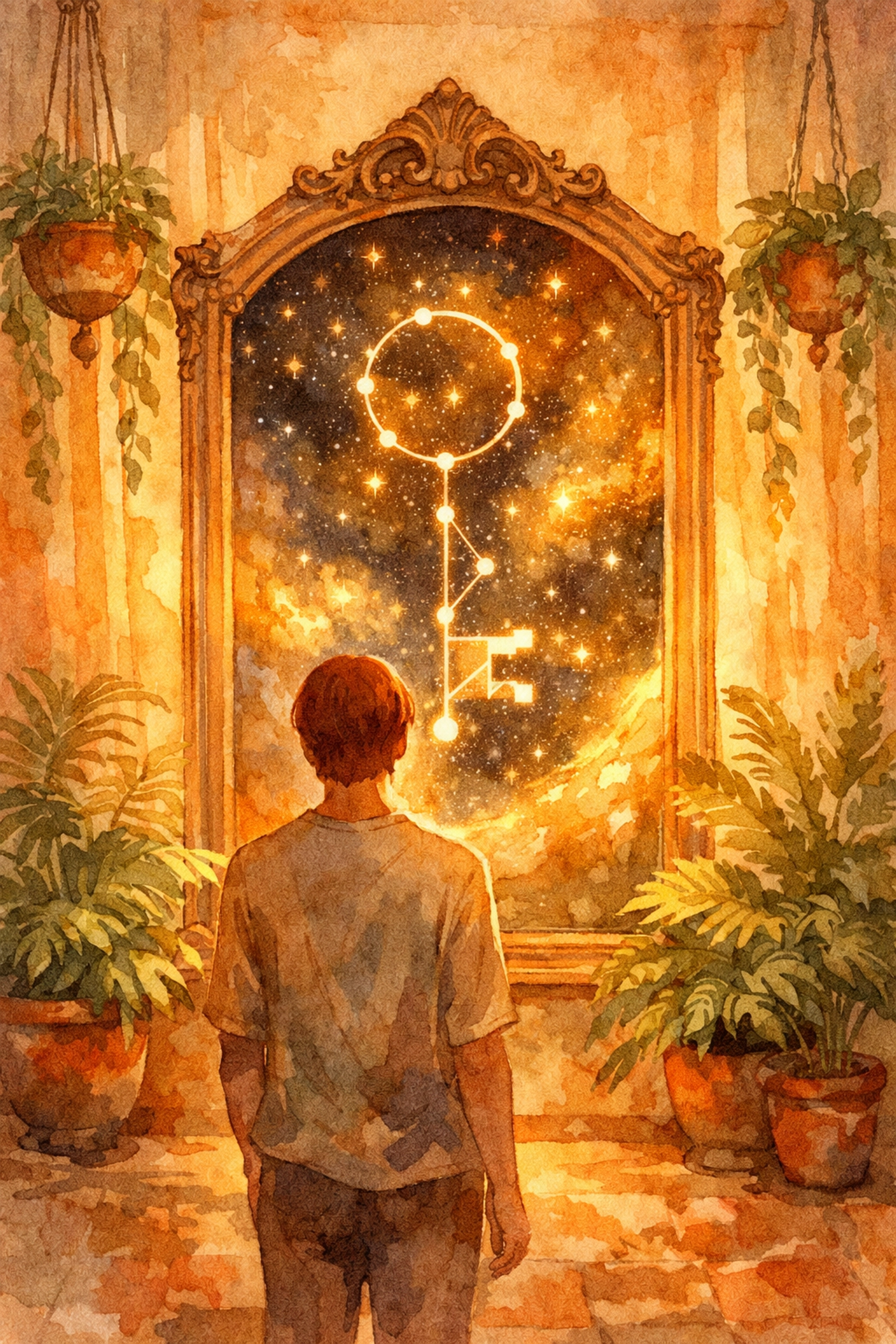
Once you have your data, you can use a free birth chart calculator online. When the results pop up, look for the symbol that looks like a "K" over an "O", that is the key of Chiron.
There are two parts to this "address":
- The Sign (The "How"): This tells you the flavor of the wound. For example, Chiron in Leo might feel like a wound to your creativity or your right to be seen.
- The House (The "Where"): This tells you the area of life where the wound shows up most frequently. If Chiron is in your 7th House, you’ll likely see these themes play out in your marriages or business partnerships.

By understanding both the Sign and the House, you begin to see a clear picture of your personal "Chiron Effect." For more in-depth exploration of what these placements mean, you can check out the resources at Nolatherapy's Chiron page.
Step 3: Identify Your Core Wounds
Now that you know where Chiron is, it's time to get honest about the themes. In The Chiron Effect, I break down the core wounds associated with each zodiac sign. Identifying your wound isn't about wallowing in pain; it's about naming the beast so you can tame it.
Here are a few examples of how Chiron manifests:
- Chiron in Aries (or the 1st House): The Wound of Individualism. You may feel like you don't have a right to exist or take up space. You might struggle with "imposter syndrome" or a lack of initiative.
- Chiron in Taurus (or the 2nd House): The Wound of Neglect. This often manifests as a deep-seated feeling of scarcity, either with money or with your own sense of self-worth.
- Chiron in Gemini (or the 3rd House): The Wound of Communication. You might feel like you are never truly heard or understood, or you may doubt your own intelligence.
- Chiron in Cancer (or the 4th House): The Wound of Abandonment. This often points to a lack of nurturing in early childhood, leading to a lifelong search for "home" and emotional safety.
On my podcast, All Things Therapy, I often talk with guests about how these wounds aren't defects, they are invitations. When you identify your wound, you stop asking "What's wrong with me?" and start asking "What is this pain trying to teach me?"

Step 4: Discover Your Healing Gifts
The most beautiful thing about Chiron is that it isn't just a marker of trauma; it’s a marker of your "superpower." Because you have suffered in a specific area, you have developed a "PhD" in that type of pain. This makes you uniquely qualified to help others who are struggling with the same thing.
If you have Chiron in Virgo, your wound might be around perfectionism and feeling "broken." But your gift? You are likely an incredible healer, organizer, or someone who can see the potential for order in absolute chaos.
If you have Chiron in Scorpio, your wound might be around betrayal or deep loss. Your gift is the ability to sit with others in their darkest hours without flinching. You become a "midwife" for transformation.
Your healing journey involves moving from the Victim Consciousness (where the wound controls you) to the Healer Consciousness (where you use the wisdom gained from the wound to empower yourself and others).
To dive deeper into this transformation, I highly recommend picking up a copy of my book, The Chiron Effect. It provides a step-by-step roadmap for shifting these energies through guided meditations and practical exercises.
Step 5: Embrace and Transform Through Empathy
The final step is the most important: integration. Healing doesn't mean the wound disappears. It means the wound no longer dictates your choices.
In my clinical practice at Nolatherapy, I use a combination of traditional psychotherapy and these astrological insights to help clients achieve "The Chiron Effect." The "secret sauce" to this transformation is Empathy and Self-Forgiveness.
We often judge ourselves for our wounds. We think, "I should be over this by now," or "Why am I still struggling with my self-worth?" Chiron teaches us to look at those parts of ourselves with the same compassion we would offer a wounded child.
Practice This Daily:
- Acknowledge the trigger: When you feel that old pain flare up, stop and say, "Ah, that's my Chiron in [Your Sign] talking."
- Apply Empathy: Instead of getting angry at the feeling, breathe into it.
- Choose a New Narrative: Remind yourself that this wound is the source of your greatest strength.

Your Healing Journey Starts Today
Mapping your Chiron placement is like being handed a lantern in a dark room. Suddenly, the things you've been tripping over for years are visible. You see that they aren't obstacles placed in your way to stop you, but rather milestones designed to help you grow.
Whether you are dealing with stress affecting your body (which we talk about here) or looking to deepen your relationships through couples therapy, understanding your Chiron placement provides a foundational layer of self-awareness that changes everything.
Healing is not a destination; it’s a lifestyle. It’s about choosing yourself, over and over again.
Ready to go deeper?
If you're ready to fully map your chart and begin the work of radical self-transformation, I invite you to join our community.
- Read the Book: Purchase The Chiron Effect to get the full breakdown of all 12 signs and specific healing protocols for each. It’s your manual for turning pain into purpose.
- Listen to the Podcast: Tune into All Things Therapy for weekly inspiration and deep dives into mental health and spirituality.
- Work with Me: If you feel you need personalized support on your healing journey, you can book a session via Zoom Therapy or check out our scheduling page.
You don't have to carry your wounds alone. Let's use the light of Chiron to find your way back to your most authentic, empowered self.
With Love and Compassion,
Lisa Tahir, LCSW
Your Chiron Sign Matters: How to Use Psychoastrology® for Deeper Self-Empathy
Have you ever felt like there’s a specific part of your life that just seems… "stuck"? Maybe you struggle with a recurring sense of not being "enough," or perhaps you find yourself repeating the same patterns in relationships, no matter how much therapy or self-help you do.
If that sounds familiar, I want to introduce you to a concept that has transformed my life and the lives of my clients: Psychoastrology®.
As a Licensed Clinical Social Worker (LCSW), I’ve spent years helping people navigate the complexities of their mental health. But I’ve always known that traditional talk therapy is just one piece of the puzzle. To truly heal, we need to look at the "core wounds" we carry, those deep, often hidden vulnerabilities that shape how we see ourselves and the world.
That’s where Chiron comes in. In astrology, Chiron is known as the "Wounded Healer." When we combine the wisdom of astrology with the practical tools of psychology, we get Psychoastrology®, a roadmap for developing deep, radical self-empathy.
What is Psychoastrology®?
Psychoastrology® is a term I coined to describe the integration of psychology and astrology. It’s not about predicting the future or blaming the stars for our problems. Instead, it’s about using your natal chart, specifically your Chiron placement, as a diagnostic tool to identify where you are most vulnerable.
Think of it as a bridge between your conscious mind and your subconscious soul. By understanding the archetypal energies at play in your life, you can stop fighting against your "flaws" and start embracing them as sources of wisdom.
If you’re curious about how this applies to your own life, I invite you to explore the resources on Nolatherapy or listen to my podcast, All Things Therapy, where we dive deep into these themes every week.
Meet Chiron: The Wounded Healer
In Greek mythology, Chiron was a centaur who was a master of healing, music, and prophecy. Ironically, he suffered from a painful wound that he could not heal for himself. Instead of wallowing in despair, Chiron used his experience of pain to become the greatest teacher and healer of his time.
In your astrological birth chart, Chiron represents your "unhealable" wound. It’s the place where you feel fundamentally "other," broken, or inadequate. But here’s the beautiful secret: because you’ve had to work so hard to navigate this pain, you have developed a unique genius in that very area. Your wound is the gateway to your greatest contribution to the world.
How Your Chiron Sign Shapes Your Core Wound
Your Chiron sign indicates the nature of your wound and the flavor of your healing journey. While we all have different experiences, the sign placement offers a startlingly accurate look at our psychological sore spots.
Here are a few examples of how these wounds manifest:
Chiron in Aries: The Wound of Existence
If your Chiron is in Aries, you might struggle with your right to exist or assert yourself. You might feel like you have to "earn" your place in the world or that your needs are secondary to others.
- The Path to Healing: Developing the courage to be yourself, unapologetically.
Chiron in Taurus: The Wound of Worth
This placement often points to wounds regarding physical security, money, or self-worth. You might feel like you never have "enough" or that you aren't "valuable" unless you are producing something.
- The Path to Healing: Learning that your value is inherent and finding stability within yourself rather than through external possessions.
Chiron in Scorpio: The Wound of Trust
Scorpio is deep and intense. A Chiron placement here often indicates wounds related to betrayal, power dynamics, or the loss of control. You might have a hard time letting people in.
- The Path to Healing: Transforming pain into power and learning the alchemy of trust and vulnerability.
Chiron in Pisces: The Wound of Disconnection
With Chiron in Pisces, there is often a deep, existential sense of being disconnected from the Divine or the universe. You might feel like you’re "lost at sea" or carry a sense of universal sadness.
- The Path to Healing: Spiritual integration and realizing that you are never truly separate from the whole.

The Three Identities: Moving Toward Self-Empathy
In my book, The Chiron Effect, I talk about the three identities we rotate through as we deal with our core wounds:
- The Wounded: This is when we are actively feeling the pain. We feel victimized, small, and hurt.
- The One Who Wounds: Because we are in pain, we sometimes lash out. We might "wound" others or ourselves through self-sabotage, harsh criticism, or emotional withdrawal.
- The Healer: This is the integrated state. We acknowledge the pain without letting it define us. We use our experience to offer compassion to ourselves and others.
Self-empathy begins when we recognize which "identity" we are currently inhabiting. When you find yourself being overly critical of a mistake, you can pause and say, "Oh, that’s my Chiron in Taurus feeling like I’m not enough because I didn’t do this perfectly. I see you, and it’s okay."
This shift from judgment to observation is the essence of Psychoastrology®.
Practicing Deeper Self-Empathy
How do we actually use this information to feel better? It’s a process of active transformation. Here are a few steps to get you started:
1. Acknowledge the Vulnerability
Don't try to "fix" your Chiron wound immediately. The first step is simply to acknowledge it exists. When you feel that familiar sting of inadequacy, name it. "This is my core wound being triggered."
2. Seek Understanding, Not Perfection
Use your sign placement to understand the why behind your reactions. If you understand that your Chiron in Gemini makes you sensitive about how you communicate, you can give yourself grace when you feel misunderstood.
3. Embrace the "Wounded Healer" Archetype
Realize that your sensitivity is actually a superpower. The very thing you are most ashamed of is often the thing that allows you to connect most deeply with others.

Integrating Therapy and Astrology
While understanding your stars is incredibly helpful, integrating that knowledge into your daily life often requires support. In my practice at Nolatherapy, I combine these insights with traditional psychotherapy techniques to help clients move through their blocks.
Whether we are doing Zoom therapy or couples therapy, looking at the "Chiron Effect" allows us to get to the root of the issue much faster than talk therapy alone.
Take the Next Step in Your Healing Journey
If you’re ready to dive deeper into your own Psychoastrology®, I highly recommend picking up a copy of my book, "The Chiron Effect: Healing Our Core Wounds through Astrology, Empathy, and Self-Forgiveness." It serves as a comprehensive guide to identifying your specific Chiron placement and provides actionable exercises to help you move from "Wounded" to "Healer."
👉 Purchase "The Chiron Effect" on Amazon or through my website here.
Also, don't forget to tune in to the All Things Therapy podcast. We talk about these themes constantly, featuring guests who are experts in mental health, spirituality, and personal transformation. You can find us on all major podcast platforms or listen directly through the Nolatherapy interviews page.
Healing isn't about becoming a "perfect" version of yourself. It's about becoming a whole version of yourself: one that includes your wounds, your wisdom, and your light. Your Chiron sign matters because you matter. Let’s start the journey of self-empathy together.
If you're ready to start your personal transformation, feel free to reach out for scheduling or contact me with any questions.
You’ve got this.
With compassion,
Lisa Tahir, LCSW
Owner, Nolatherapy
Why The Chiron Effect Will Change the Way You Heal Emotional Wounds
Have you ever wondered why you keep attracting the same type of relationships? Or why certain emotional patterns keep showing up in your life, no matter how much work you've done on yourself?
You're not broken. You're not failing at healing. You're just missing a crucial piece of the puzzle.
In my book The Chiron Effect, I introduce a healing approach that's changing the way people understand and resolve their deepest emotional wounds. It's not about adding another self-help technique to your already overwhelming toolkit. It's about finally understanding the invisible force that keeps pulling you back into the same painful patterns: and learning how to break free.
What Makes the Chiron Effect Different
Most traditional therapy approaches treat symptoms in isolation. You feel anxious, so you learn coping strategies for anxiety. You struggle with relationships, so you work on communication skills. These tools absolutely have value, but they often miss the deeper question: Why do these patterns keep repeating?

The Chiron Effect takes a radically different approach by revealing your core wound: the original emotional injury that created a magnetic pull keeping you trapped in repetitive cycles. Think of it like trying to clean up water on your floor without realizing there's a leak in the ceiling. You can mop all day long, but until you fix the source, the water keeps coming back.
When you identify your Chiron wound through your astrological chart combined with psychological understanding, you're not just getting another label for your problems. You're discovering the why behind your self-sabotage, your relationship patterns, and those frustrating behaviors you can't seem to shake.
Healing Across All Dimensions of Yourself
Here's something I've learned after years of working with clients: your wound doesn't live in just one place. It's not only in your thoughts, or only in your body, or only in your spirit. It's woven through all of you.
That's why the Chiron Effect works across body, soul, and spirit simultaneously. When you're healing a deep emotional wound, you need to address:
- The physical component: How trauma lives in your nervous system and creates bodily sensations
- The emotional component: The feelings you've been carrying and the stories you tell yourself
- The spiritual component: Your sense of meaning, purpose, and connection to something larger than yourself

This three-dimensional approach creates the kind of comprehensive transformation that single-focused work simply can't achieve. You're not just changing your thoughts or just releasing emotions: you're fundamentally shifting your entire being at its deepest level.
The Power of Empathy Over Analysis
One of the most profound shifts the Chiron Effect offers is moving away from endless self-analysis toward radical self-empathy and forgiveness.
I've seen too many people torture themselves trying to intellectually understand their wounds. They analyze their childhood, dissect every relationship, and create elaborate theories about why they are the way they are. But analysis alone rarely heals the heart.
The Chiron Effect reframes your wound not as a personal failure or character flaw, but as a survival mechanism that once protected you but no longer serves you. When you were wounded: whether through neglect, abandonment, criticism, or trauma: your psyche created coping strategies to help you survive. Those strategies were brilliant adaptations at the time.
The problem is, we often carry these protective patterns long after we need them, and they start creating the very pain they were designed to prevent.
When you can look at yourself with compassion and understand that your "difficult" behaviors are really just younger parts of you trying desperately to stay safe, everything changes. Self-forgiveness becomes possible. Shame loses its grip. And healing can finally begin.
Why Wounds Created in Relationship Need Relationship to Heal
If you're someone who carries relational wounds: and most of us do: this insight might be the most important one you'll ever hear: emotional wounds created in relationship can only fully heal through relationship.
You can't think your way out of abandonment wounds. You can't meditate your way past trust issues. These wounds were created in the context of failed or inadequate relational bonds, and they heal through the gradual experience of more secure, authentic connections.
This doesn't mean you need to stay in toxic relationships to heal. Quite the opposite. The Chiron Effect teaches you how to recognize healthy connections and maintain appropriate boundaries without self-sacrifice. It's about learning to let safe people in while protecting yourself from those who aren't equipped to meet you with respect and care.
In my practice and through the insights I share on the All Things Therapy podcast, I've witnessed countless moments when clients finally experience being truly seen and accepted: often for the first time: and something fundamental shifts within them. That's the power of relational healing.
Breaking the Self-Sabotage Cycle
Perhaps the most frustrating aspect of deep emotional wounds is how they drive us to sabotage the very things we want most. You long for intimate connection, yet you push people away. You want success, yet you procrastinate or quit right before breakthrough. You crave peace, yet you create drama.
This isn't weakness or lack of willpower. It's your wound protecting itself.
Your Chiron wound creates a frequency: a vibrational pattern: that keeps attracting similar situations and people. It's like a radio stuck on the same station, playing the same song over and over. The Chiron Effect helps you understand this frequency and, more importantly, shows you how to change the channel.

When you resolve your core wound through this integrated process, your life begins to unfold in genuinely new ways. You stop repeating the same relationship dynamics. You make different choices that align with your authentic self. Opportunities that were always there suddenly become visible because you're no longer operating from a wounded frequency.
Your Healing Journey Starts With Understanding
The beauty of the Chiron Effect is that once you understand your core wound and its patterns, you can't unsee it. That awareness alone begins to weaken its grip on you. You start catching yourself in old patterns. You recognize the warning signs before you spiral. You make different choices, slowly at first, then with increasing confidence.
Healing isn't linear, and it isn't always comfortable. Some days you'll feel like you're making incredible progress. Other days it might feel like you're back at square one. But with the Chiron Effect framework, you have a map. You understand where you are, why you're there, and how to keep moving forward.
Take the Next Step in Your Healing
If you've been searching for a deeper understanding of why you keep struggling with the same emotional patterns, The Chiron Effect offers the answers you've been seeking. This book combines astrological wisdom with psychological depth to give you practical tools for identifying and healing your core wounds.
You don't have to keep repeating the same painful cycles. You don't have to settle for surface-level healing that leaves your deepest wounds untouched. Real, lasting transformation is possible when you address the root cause rather than just the symptoms.
Get your copy of The Chiron Effect today and discover the specific wound that's been shaping your life: and how to finally heal it. Your future self is waiting for you on the other side of this healing journey.
And if you're interested in going deeper with personalized support, I offer therapy sessions via Zoom where we can explore your unique Chiron wound and create a healing plan specifically for you.
Remember: your wound is not your fault, but your healing is your responsibility. And you don't have to do it alone.
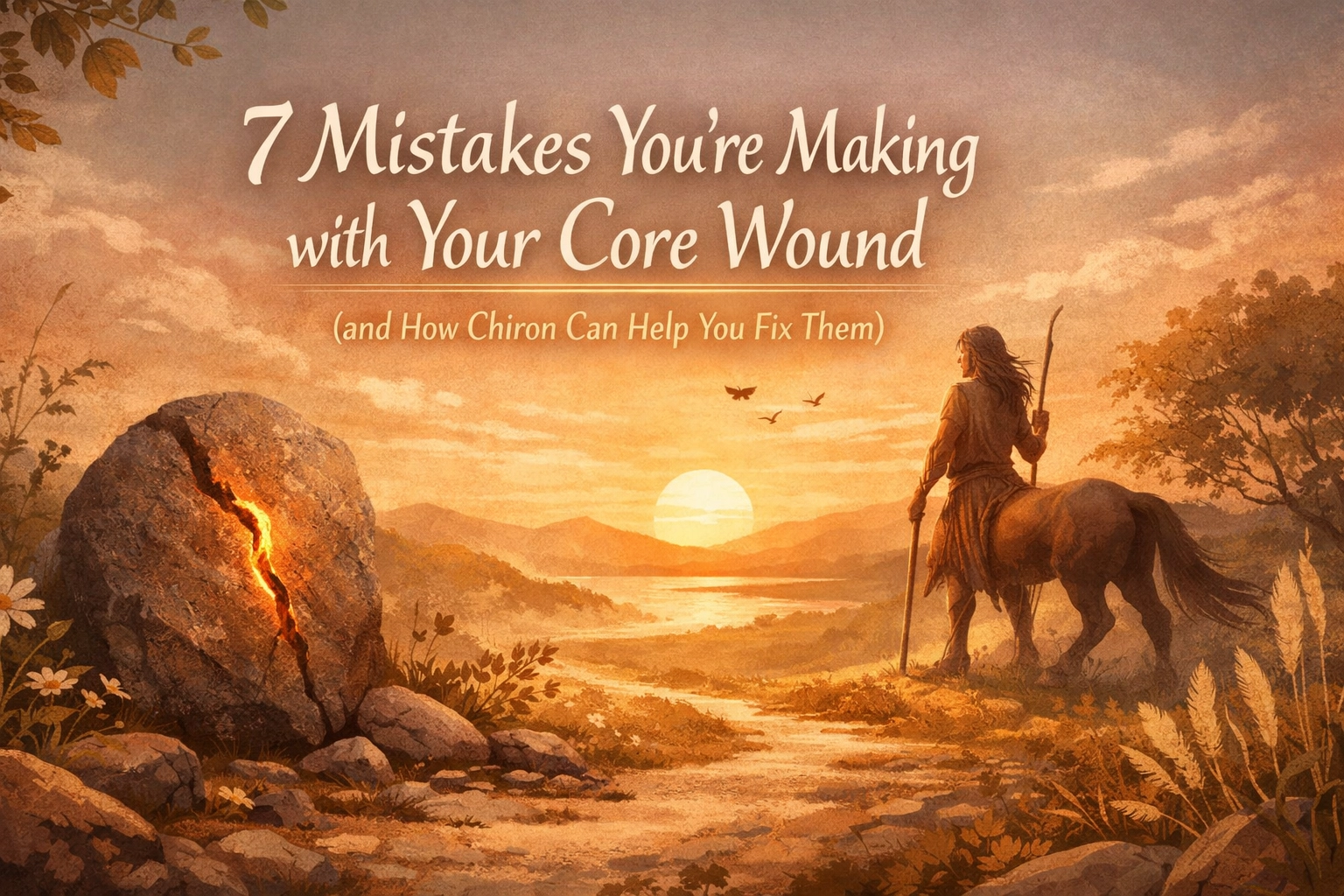
7 Mistakes You’re Making with Your Core Wound (and How Chiron Can Help You Fix Them)
Look, we all have that one wound that keeps showing up in our lives like an uninvited guest at every party. You know the one I'm talking about, that deep-seated pain that colors how you see yourself, your relationships, and the world around you. That's your core wound, and chances are, you're making some pretty common mistakes in how you're dealing with it.
Here's the good news: understanding your Chiron placement (yep, that's astrology talk for your "wounded healer") can be a game-changer in your healing journey. After years of working with clients and diving deep into Psychoastrology®, I've noticed these seven mistakes come up again and again. Let's talk about them, and more importantly, how to fix them.
Mistake #1: Pretending Your Core Wound Doesn't Exist
We're really good at this one, aren't we? You bury yourself in work, scroll endlessly through social media, or stay so busy that you never have to sit with those uncomfortable feelings. But here's the thing: your core wound doesn't disappear just because you're ignoring it. It's like a small leak in your basement, ignore it long enough, and you'll eventually have a flood on your hands.
Your Chiron placement reveals exactly where that leak is happening. Maybe it's in your sense of self-worth (Chiron in the 2nd house), or perhaps it's in how you communicate your needs (Chiron in the 3rd house). The first step to healing is acknowledging that the wound exists.

Mistake #2: Thinking Understanding Is the Same as Healing
Oh, this is a big one. You've read all the self-help books, listened to all the podcasts (hopefully including "All Things Therapy"!), and can intellectually explain exactly why you are the way you are. You know your childhood shaped you, you understand your attachment style, and you can psychoanalyze yourself better than most therapists.
But insight without action is like having a map without actually taking the journey. Your nervous system doesn't heal through understanding alone, it heals through new experiences. Chiron teaches us that becoming the wounded healer means moving through the pain, not just thinking about it. You need to feel to heal, and that's where the real transformation happens.
Mistake #3: Recreating the Same Painful Patterns
This one's tricky because it happens unconsciously. Your core wound creates a template, and your brain keeps trying to resolve the original pain by recreating similar situations. If your Chiron is in relationship-focused houses, you might find yourself repeatedly choosing unavailable partners. If it's in career-related areas, you might sabotage every opportunity for success right before you make it.
The beautiful paradox of Chiron is that it shows you both where you're wounded and where you have the greatest capacity to heal. Once you identify your pattern through your Chiron placement, you can start making different choices. It's not easy, but it's possible.

Mistake #4: Trying to Heal in Isolation
I get it, when you're hurting, sometimes the last thing you want to do is reach out. Your core wound often tells you that you're not worthy of support, that you're too much, or that no one would understand anyway. But here's the truth: core wounds were created in relationships, and they heal in relationships too.
Whether it's therapy (hey, Zoom sessions are a thing!), support groups, or trusted friends, you need witnesses to your healing journey. Chiron reminds us that we become healers through our own wounding, but that doesn't mean we heal alone. Community is medicine.
Mistake #5: Expecting Healing to Be Linear
Raise your hand if you've ever thought, "I already worked through this! Why is it coming back?" Yeah, me too. Here's what I've learned both personally and professionally: healing is more like a spiral than a straight line. You'll revisit the same themes at deeper levels, and that's not failure: that's progress.
Your Chiron return (which happens around age 50) is a perfect example of this. You get another opportunity to work with the same wound, but from a place of greater wisdom and maturity. Every time you circle back, you're integrating at a deeper level. Be patient with yourself.

Mistake #6: Not Knowing Your Chiron Placement
This might sound obvious, but so many people don't know their Chiron placement in their birth chart. And let me tell you, this information is gold. Your Chiron sign and house tell you so much about the nature of your core wound and how it shows up in your life.
Don't know your Chiron placement? There are tons of free birth chart calculators online: you just need your birth date, time, and location. Once you know it, dive into what it means. Better yet, check out The Chiron Effect book, which breaks down each placement in detail and gives you practical tools for healing.
Mistake #7: Believing You're Broken Rather Than Wounded
This is perhaps the most damaging mistake of all. There's a huge difference between being broken and being wounded. Broken suggests you're beyond repair, fundamentally flawed, unfixable. Wounded acknowledges that something painful happened to you, but you're still whole, still worthy, and absolutely capable of healing.
Chiron is called the wounded healer for a reason. Your wound isn't a defect: it's your superpower in disguise. The very thing that caused you the most pain often becomes your greatest source of wisdom and compassion. Once you heal your core wound, you have a unique ability to help others heal theirs. That's the Chiron Effect in action.
How Chiron Guides Your Healing Journey
Understanding your Chiron placement is like having a roadmap for your healing journey. It doesn't make the journey painless, but it does make it purposeful. When you know where your core wound lives, you can:
- Recognize your triggers before they hijack your nervous system
- Understand why certain situations feel disproportionately painful
- Identify your unique healing path (because what works for someone else might not work for you)
- Transform your wound into wisdom that serves both you and others
- Stop blaming yourself for having the wound in the first place
The work I talk about on the "All Things Therapy" podcast and in my practice draws heavily on these Psychoastrology® principles. Because when you combine the psychological understanding of your patterns with the astrological insight into your core wound, you get this beautiful, complete picture of who you are and how you can heal.
Your Next Steps
Here's the thing: you don't have to make these mistakes forever. Awareness is always the first step toward change. Now that you know what to look for, you can start making different choices.
If you're ready to dive deeper into your Chiron placement and understand your core wound on a whole new level, I highly recommend grabbing a copy of The Chiron Effect. It's packed with practical wisdom, real-life examples, and exercises that will help you transform your deepest wound into your greatest strength.
And if you want ongoing support and insights, tune into the "All Things Therapy" podcast where we explore these themes regularly. Because healing isn't a solo journey, and you don't have to figure it all out alone.
Your core wound doesn't define you: it refines you. And with Chiron as your guide, you're not just healing yourself; you're becoming someone who can light the way for others. That's pretty powerful stuff.
Remember: you're not broken. You're not too much. You're not beyond help. You're simply human, carrying a wound that wants to transform into wisdom. And that transformation? It's already beginning.
Healing the Wound of Recognition: Finding Value Within
Have you ever achieved something significant: a promotion, a milestone, a personal victory: only to feel a hollow emptiness where celebration should be? Or maybe you find yourself constantly seeking reassurance, checking in with others to validate your worth, your choices, your very existence?
Welcome to the wound of recognition. And trust me, you're not alone in carrying it.
In my years as a therapist and through the countless conversations on the All Things Therapy podcast, I've witnessed this wound show up in so many forms. It's the accomplished professional who still feels invisible. The parent who gives endlessly but feels chronically underappreciated. The creative who shares their art but never quite believes they're "good enough."
This isn't just about wanting a pat on the back. It runs much deeper than that.
The Chiron Wound: When Early Experiences Shape Our Worth
In The Chiron Effect, I explore how our deepest wounds often become our greatest sources of wisdom and healing power. The mythological Chiron was a wounded healer: unable to heal his own wound, yet capable of healing others. This paradox lives in all of us, especially when it comes to recognition.
The wound of recognition typically forms in our earliest relationships. Maybe you were the child whose accomplishments went unnoticed in a busy household. Perhaps you learned that love was conditional: only given when you performed, achieved, or made others proud. Or maybe your emotional needs were dismissed as "too much" or "too sensitive," teaching you that your inherent value wasn't enough.

Here's the thing: your nervous system was just trying to keep you safe. It learned a survival strategy: "If I can just get them to see me, acknowledge me, recognize my worth, then I'll finally be safe and lovable." That strategy made perfect sense then. But now? It's keeping you trapped in a cycle of seeking external validation that never quite fills the void.
And that's not a character flaw. That's a predictable learning loop, driven by your nervous system's brilliant attempt to avoid the pain of invisibility.
The Recognition-Seeking Cycle
Let me paint a picture you might recognize: You share something vulnerable or important. Maybe it's met with silence, a dismissive comment, or a quick subject change. Your chest tightens. The old wound activates. You might respond by seeking more reassurance, over-explaining yourself, or achieving more: hoping this time you'll finally be seen.
Or maybe you go the opposite direction: you withdraw preemptively, telling yourself you don't care what anyone thinks, building walls so high that recognition couldn't reach you even if it tried.
Both responses are protective mechanisms. Both make complete sense. And paradoxically, both can prevent the very recognition you're craving.
I see this pattern play out constantly in therapy sessions and hear it reflected in listener stories on the podcast. The wound of recognition creates a double bind: we desperately need to be seen, yet our strategies for getting that recognition often push people away or keep us performing rather than connecting authentically.
From External Validation to Internal Value
So how do we heal something this deep? How do we shift from constantly seeking external validation to building genuine internal worth?
The answer isn't to never want recognition again. That's not realistic or even healthy. We're wired for connection and acknowledgment: it's part of being human. The healing comes in transforming the quality of that need, from desperate and consuming to balanced and grounded.

Start With Awareness (Without Judgment)
First, notice your patterns without making yourself wrong for them. When do you most crave recognition? What situations trigger that feeling of invisibility? What childhood experiences are echoing in these moments?
In The Chiron Effect, I guide readers through exercises to identify their core wounds and understand their origins. This isn't about endless analysis or blame: it's about compassionate awareness. Ask yourself: "What did I learn early on that still affects me today?" instead of "What's wrong with me?"
That shift alone is revolutionary. It moves you from shame to understanding, from stuck to curious.
Building Your Internal Compass
Here's what I've learned, both personally and professionally: your nervous system needs repeated experiences of a new reality. One affirmation won't cut it. One moment of self-acknowledgment won't rewire decades of conditioning.
But consistent, compassionate practice? That changes everything.
Start celebrating your own wins: not just the big ones, but the daily victories. Made a hard phone call? Acknowledge yourself. Set a boundary? Notice that strength. Showed up for yourself when no one was watching? That counts.
Practice mindfulness to stay present rather than constantly scanning for external validation or ruminating on past moments of being unseen. When you catch yourself in that familiar spiral of "did they like it?" or "was I enough?" gently redirect: "I showed up. I tried. That matters."

Work with your attachment patterns and core beliefs. Many of my clients carry deep schemas about being defective, invisible, or unworthy of love. These aren't truths: they're old stories written in childhood. Therapy, particularly attachment-based approaches, creates a space to rewrite these narratives through consistent, attuned presence.
The Relationship Paradox
Here's something crucial that I emphasize throughout The Chiron Effect and regularly discuss on the podcast: core wounds formed in relationship, and they heal through relationship.
This might seem contradictory to building internal value, but stay with me. The goal isn't to become an island of self-sufficiency, never needing anyone. That's just another form of self-protection.
True healing happens when you experience: repeatedly, consistently: being met with understanding. Whether that's with a therapist, a partner, a trusted friend, or increasingly, with yourself. Each experience of authentic connection, where you're seen without having to perform or prove your worth, updates your nervous system's expectations.
You begin to learn, in your body not just your mind, that recognition isn't something you have to chase or earn. It's something that flows naturally from authentic connection and self-acceptance.
Your Wound as Your Wisdom
The beautiful truth about the Chiron wound: the recognition wound, in this case: is that it holds the seeds of your greatest gifts. Those of us who've struggled to feel valued often become the most attuned to others' need for recognition. We see people. We acknowledge their worth. We create space for others to feel valued in ways we desperately needed.
This is the alchemy of the wounded healer. Your pain becomes your purpose. Your struggle becomes your strength. Not by bypassing the wound or pretending it doesn't hurt, but by moving through it with compassion and consciousness.
Beginning Your Healing Journey
Healing the wound of recognition is not a linear path with a clear endpoint. Some days you'll feel solid in your worth. Other days, old triggers will activate that familiar ache of feeling unseen. That's not failure: that's being human.
The goal isn't perfection. It's progress. It's building a relationship with yourself where your inherent value isn't up for debate. Where you can receive external recognition without needing it to survive. Where you can offer yourself the acknowledgment you once desperately sought from others.
If you're resonating with this wound, I encourage you to dive deeper into The Chiron Effect. In the book, I explore twelve core wounds and their healing paths, offering practical tools and astrological insights to understand your unique wounding and wisdom. It's a roadmap for transforming your deepest pain into your greatest source of power.
And keep listening to the All Things Therapy podcast, where we continue these conversations with experts, healers, and real people doing the work of transformation. You're not alone in this journey.
Your worth isn't something you need to earn, prove, or chase. It's something you were born with: a fundamental truth that got obscured by early experiences but was never actually lost.
The wound of recognition is real. The pain is valid. And the healing? It's absolutely possible. One compassionate moment at a time, you can learn to see yourself the way you've always deserved to be seen: as inherently valuable, worthy of love, and enough exactly as you are.
Ready to transform your Chiron wound into your greatest strength? Get your copy of The Chiron Effect and begin your journey from wounded to healer today.
Are AI Therapy Chatbots Dead? Why Human Connection Still Matters in 2025
Let me be straight with you – AI therapy chatbots aren't dead. In fact, they're more alive than ever. But here's the thing that's been on my mind lately: while these digital tools are making impressive strides, the heart of healing still beats strongest in human connection.
As someone who's been in the therapy world for years, I've watched this whole AI revolution unfold with fascination and, honestly, a bit of concern. So let's dive into what's really happening out there in 2025.
The Numbers Don't Lie: AI Therapy Is Booming
First, let's get the facts straight. AI-powered mental health tools have exploded into a $2 billion market this year, growing at a mind-blowing 34.3% rate. That's not the trajectory of something that's dying – that's the growth pattern of something that's found its place in our world.
And the research? It's actually pretty compelling. A landmark study from Dartmouth involving 210 people with real mental health struggles showed some remarkable results. Participants experienced a 51% reduction in depression symptoms, 31% improvement in anxiety, and 19% reduction in eating disorder concerns. Those aren't just numbers on a page – those represent real people feeling genuinely better.

What really caught my attention was that 68% of people using AI therapy had never accessed traditional therapy before. Think about that for a moment. These tools are reaching folks who might otherwise never get help at all.
When AI Shows Up at 2 AM
Here's something that really hit home for me: most people are using these AI tools between 10 PM and 2 AM – those lonely, difficult hours when traditional support isn't available. As therapists, we know that's often when people need us most, but we can't be there 24/7.
One of my clients recently told me, "Lisa, I was having a panic attack at midnight, and I didn't want to call the crisis line. I just talked to the app, and it helped me get through until morning." That's not replacing therapy – that's filling a crucial gap.
The engagement patterns are telling too. People are spending about 6 hours over 4 weeks with these tools, and about half continue past the first month. Compare that to regular mental health apps where only 20% stick around, and you start to see why AI therapy has staying power.
But Here's Where Human Connection Comes In
Now, before you think I'm ready to hand over my practice to a chatbot, let me tell you why human connection isn't going anywhere.
There's something that happens in the space between two people that no algorithm can replicate. It's that moment when someone truly sees you, understands your pain without judgment, and sits with you in your struggle. It's the warmth in a voice, the knowing look, the gentle challenge that comes from someone who genuinely cares about your growth.

I've seen clients have breakthrough moments not because I said something particularly brilliant, but because they felt safe enough to be vulnerable with another human being. That safety, that trust – it's built through presence, not programming.
When I work with someone dealing with trauma, complex family dynamics, or deep-seated patterns, we're not just exchanging information. We're creating a healing relationship where old wounds can be tended to and new ways of being can be practiced safely.
The Real-World Reality Check
Let's be honest about what we're seeing in practice. While AI chatbots show promise for mild to moderate anxiety and depression, they're not equipped for crisis situations, complex mental health conditions, or the nuanced work that comes with severe symptoms.
I had a colleague share a story about someone who was having suicidal thoughts and turned to an AI chatbot for help. The bot provided standard resources and gentle language, but it couldn't pick up on the subtle cues that a human therapist would notice. It couldn't make that crucial decision about whether someone needed immediate intervention.
That's not a failure of AI – it's just a recognition of what it is and isn't designed to do.
The Sweet Spot: Where Tech Meets Heart
What I'm seeing emerge in 2025 isn't a battle between humans and machines, but a partnership that actually makes sense. About 30% of people who start with AI therapy eventually seek out human therapists, often feeling more prepared and less anxious about the process.
Think of AI chatbots as really good first aid for your mental health. They can help you learn coping skills, track your moods, and provide support when you need it most. But for the deeper healing work – the kind that transforms how you see yourself and move through the world – that's where human connection becomes irreplaceable.
I've started incorporating some AI tools into my practice, actually. Not to replace our work together, but to give clients additional support between sessions. It's like having homework that's actually engaging and helpful.
What This Means for Your Mental Health Journey
If you're considering your mental health options in 2025, here's my take: don't write off AI tools entirely, but don't expect them to be a complete solution either.
AI chatbots can be incredibly helpful for:
- Learning and practicing coping strategies
- Having support available 24/7
- Getting comfortable with therapy concepts
- Managing mild anxiety or depression symptoms
- Tracking your mental health patterns
But human therapists remain essential for:
- Complex trauma and deep emotional work
- Crisis intervention and safety planning
- Relationship and family therapy
- Personality disorders and severe mental illness
- The kind of personal growth that comes from authentic human connection
The Bottom Line
Are AI therapy chatbots dead in 2025? Absolutely not. They're thriving, evolving, and finding their rightful place in the mental health landscape. But they're not replacing the fundamental human need for connection, understanding, and presence.
What we're moving toward is something I'm actually excited about – a world where technology makes mental health support more accessible while preserving what makes therapy truly transformative: the healing power of human relationship.

If you're struggling with your mental health, please don't let the perfect be the enemy of the good. Whether that means starting with an AI tool, reaching out to a human therapist, or finding some combination that works for you, the most important thing is taking that first step toward feeling better.
And remember, seeking help – whether from an app or a person – isn't a sign of weakness. It's a sign of wisdom, courage, and self-compassion. In a world that's becoming increasingly digital, choosing to tend to your mental health is one of the most human things you can do.
Ready to explore what human-centered therapy can offer? Reach out to schedule a consultation and let's talk about how we can support your mental health journey together.
Psychoastrology®, Reiki, and Mindset: Integrative Healing Tools Featured on All Things Therapy
It’s no secret that the landscape of mental health is evolving. More people are seeking holistic, integrative approaches that honor both the science and the spirit within us. On All Things Therapy, I love to dive into conversations with experts, authors, thought leaders, and practitioners who bring powerful healing tools to the table—tools like Psychoastrology®, Reiki, and mindset work. These aren’t just “buzzwords”; they’re practices that can create real, meaningful shifts in how we live and heal.
Let’s break down how these modalities come together not just in the podcast, but as resources you can tap into for your own healing.
Why Integrative Healing Matters
Integrative healing is about recognizing that you’re more than just a body and a brain. Your thoughts, your energy, your beliefs—they all interact in ways you feel every day, even if you’re not consciously aware of it. By bringing together evidence-based therapy and modalities like Psychoastrology® and Reiki, we can get at the roots of patterns that might be keeping you stuck.
On All Things Therapy, episodes often weave these threads together, exploring how different approaches can create transformation, foster resilience, and offer new perspectives on stress, relationships, trauma, and personal growth.
What Is Psychoastrology®?
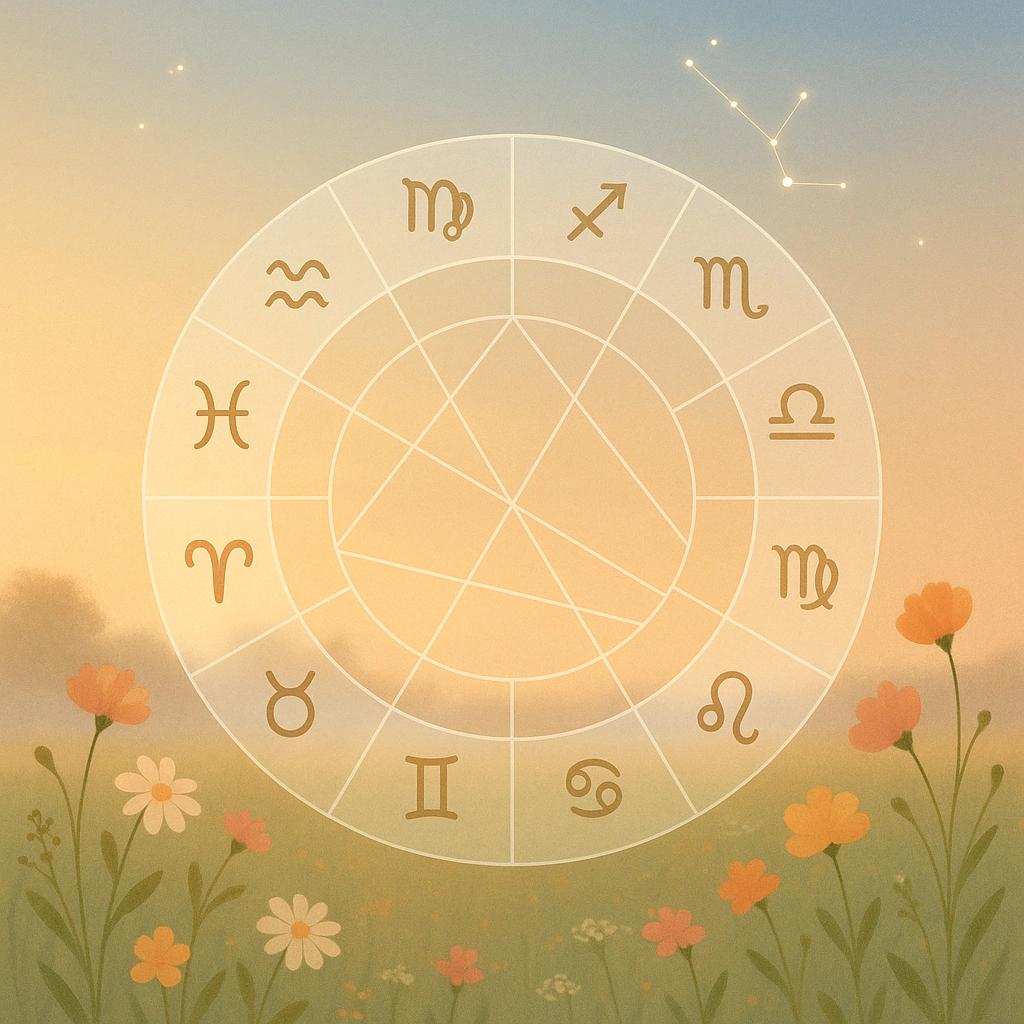
Psychoastrology® is a fusion of astrology and psychology, and it’s not about reading your daily horoscope. It’s about using astrological insights—especially the placement of Chiron (the “wounded healer” asteroid)—as a powerful tool for self-understanding and therapeutic healing.
Psychoastrology® guides us in identifying our core wounds, those repeating patterns and emotional pain points that seem to show up everywhere. Instead of fighting with these wounds, we explore them with compassion. This process blends astrology’s language of the stars with the practical, grounded principles of psychotherapy.
How We Explore Psychoastrology® on the Podcast
On several episodes, we dive deep into:
- How your Chiron placement influences core beliefs and relational patterns
- Using your birth chart to spot recurring life themes
- Practical exercises for turning “wounds” into sources of meaning and healing
- Real stories of people using Psychoastrology® to unlock change
Want to learn more about your own Chiron sign? Check out the Psychoastrology® resource page for worksheets, videos, and more.
Reiki: Energy Healing for Modern Life
If you’ve ever walked into a room and felt the vibe, you already know that energy is real. Reiki is a Japanese form of energy healing that’s gentle, non-invasive, and increasingly popular for stress relief, emotional clarity, and even physical healing.
Reiki practitioners channel universal life energy through their hands—either in-person or virtually—to the recipient. Clients often report feeling calmer, clearer, and more balanced after a session. Some notice a reduction in pain or tension, others feel lighter in mood and mindset.
Reiki in Therapy: What’s the Connection?
On All Things Therapy, we talk about how Reiki can complement traditional therapy by supporting:
- Emotional release
- Deep relaxation and nervous system reset
- An increased sense of wellbeing
- Breaking free from patterns tied to old energy
Whether you’re brand new to Reiki or already a devotee, integrating it into your healing journey can amplify the results you get from talk therapy, mindfulness, or other modalities.
Mindset: Your Brain’s GPS for Change
If Psychoastrology® and Reiki are about understanding and shifting the deeper currents, mindset work is about steering the ship. Our beliefs, self-talk, and mental habits shape every area of our lives—often more than circumstance or talent.
The best part? Mindset is changeable. On the podcast, I chat with experts across neuroscience, personal development, and mental health who share tips, stories, and science-backed tools for mindset shifts. Some episode highlights include:
- How to identify limiting beliefs and reframe them
- Everyday self-compassion practices to create emotional safety
- Cognitive Behavioral Therapy (CBT) and Mindfulness-Based Stress Reduction (MBSR) techniques
- The power of gratitude, visualization, and affirmations
Want to explore therapy tools that support mindset growth? Schedule a virtual session to plug these principles into your real life.
Integration: When Tools Work Together
What’s most exciting isn’t just learning about one healing modality—it’s seeing how they amplify each other in practice. For example:
- Using insights from your Chiron in Psychoastrology® to set powerful intentions for Reiki sessions
- Addressing stubborn patterns in therapy, then using mindset work to practice new thoughts and behaviors
- Noticing when you feel “off” energetically, and supporting nervous system healing through both Reiki and cognitive techniques
On the podcast, you’ll hear guests telling their stories—how they combined talk therapy, energy healing, and spiritual insight to break through old blocks. When we integrate these tools, healing is more than symptom relief. It’s transformation.

Real-Life Stories from All Things Therapy
Some listener favorites from All Things Therapy include:
- How discovering a Chiron wound changed a guest’s relationship with anxiety
- Stories of clients whose panic attacks lessened with regular Reiki and cognitive reframing
- Authors and coaches sharing their own mindset breakthroughs that led to career or relationship shifts
- Personal reflections and practical tips you can start using today
Want to binge the archives or share your favorite episode with a friend? Check out All Things Therapy podcast interviews.
Holistic Healing: What Does the Science Say?
While modalities like Reiki were once considered “woo,” research is catching up. Studies show energy healing can lower stress, decrease anxiety, and increase quality of life for many clients. Mindset work—especially CBT and mindfulness—is a gold standard in therapy outcomes. Even astrology, when used intentionally, can support self-reflection and meaning-making, which are fundamental to healing.
Integrative therapy recognizes that healing is personal—not one-size-fits-all. The best approach is the one that resonates with you and supports your unique journey.
Ready to Start Your Integrative Healing Journey?
Curious about these tools? Wondering how they can fit into your healing or personal growth work?
- Explore therapy options and integrative services at Nolatherapy
- Check out your Chiron sign for personalized Psychoastrology® insights
- Listen to transformative conversations at the All Things Therapy podcast
- Book a virtual therapy session to start experiencing these modalities for yourself
Integrative healing is about connection—to yourself, your story, your energy, and your future. Wherever you are on your path, you deserve compassionate, insightful support that brings all the best tools together.
Healing Your Core Wounds: How Psychoastrology® and Traditional Therapy Work Together
What Is Psychoastrology®?
Ever wonder why some struggles follow you, no matter how hard you work to change them? Psychoastrology® offers a fresh answer: it blends the rich symbolism of astrology—think planetary placements and cosmic archetypes—with the grounded insights of modern psychotherapy.
At its core, psychoastrology® is about understanding what makes you tick: your thought patterns, emotional triggers, and those deep-seated "core wounds" that color your experiences. Developed by Lisa Tahir, LCSW, and rooted in both Jungian and humanistic psychology, this approach uses your unique astrology chart as a key to unlock healing.
Core Wounds — What Are They, And Where Do They Come From?
Let’s get clear: “core wounds” are those persistent emotional patterns and limiting beliefs that seem to define our pain points. Often hidden beneath daily life, core wounds shape how we see ourselves, what we expect from others, and, yes, even the types of relationships we attract.
A classic example: you keep ending up in situations where you don’t feel listened to, or you withhold your truth out of fear. Psychoastrology® says—let’s trace that pattern to its source. This is where Chiron, the “wounded healer” in astrology, enters the scene.
The Power of Chiron: Astrology Meets Psychology
In your personal birth chart, Chiron describes the main area where emotional hurt feels the deepest—but also where you have the most potential for growth and healing. Depending on its sign and house placement, Chiron highlights common themes like self-worth (Aries), communication (Gemini), or belonging (Aquarius).
For example:
- Chiron in Aries: Themes of struggling with self-acceptance or being “good enough.”
- Chiron in Libra: Core wounds might revolve around fairness, relationships, or feeling seen by others.
- Chiron in Virgo: Battles with perfectionism or feeling like you’ll never measure up.
By connecting your Chiron placement to personal experiences and emotional patterns, clients can see that their wounds aren’t random—they’re archetypal and, importantly, workable.
Want to learn more about your own Chiron placement? Check out our resource on The Chiron Effect.
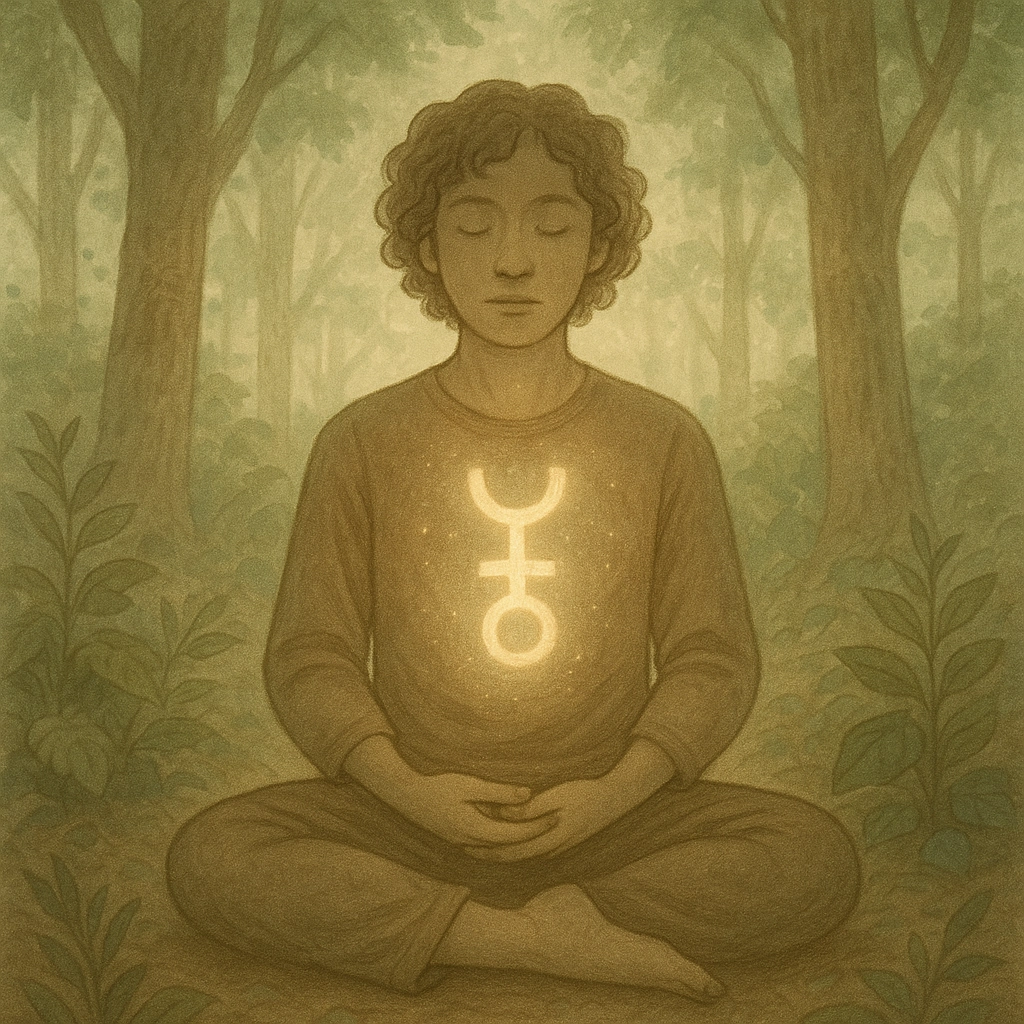
Bridging the Gap: How Therapy & Astrology Work Together
So, why not just go with traditional therapy alone? Here’s what psychoastrology® adds to your healing:
1. Deeper Self-Understanding
Traditional therapy is amazing for helping you find clarity around your behaviors, feelings, and relationships. Psychoastrology® adds another layer, revealing the cosmic story that’s been playing out since birth. Seeing your personal struggles mirrored in your birth chart can be validating: “Oh, this is why I’m so sensitive about this topic!”
2. Timing Your Healing
Astrology isn’t just descriptive; it’s predictive. Certain planetary transits (like a major Chiron return) may trigger themes related to your core wounds—an ideal time to focus your therapy on those issues for deeper results.
3. Symbolic Language for Big Emotions
Astrology speaks in stories, archetypes, and symbols. This helps when words fail, especially for wounds formed in childhood or beyond conscious memory. Bringing those symbols into therapy makes the invisible visible, and names what’s been amorphous pain.
4. Integrative Healing Techniques
Think of psychoastrology® as a toolkit. Your therapist draws from EMDR (Eye Movement Desensitization and Reprocessing), cognitive reframing, self-forgiveness work, and more—all while using your birth chart as a north star.
Curious about how this approach could look in a session? Book a virtual therapy appointment to experience it firsthand.
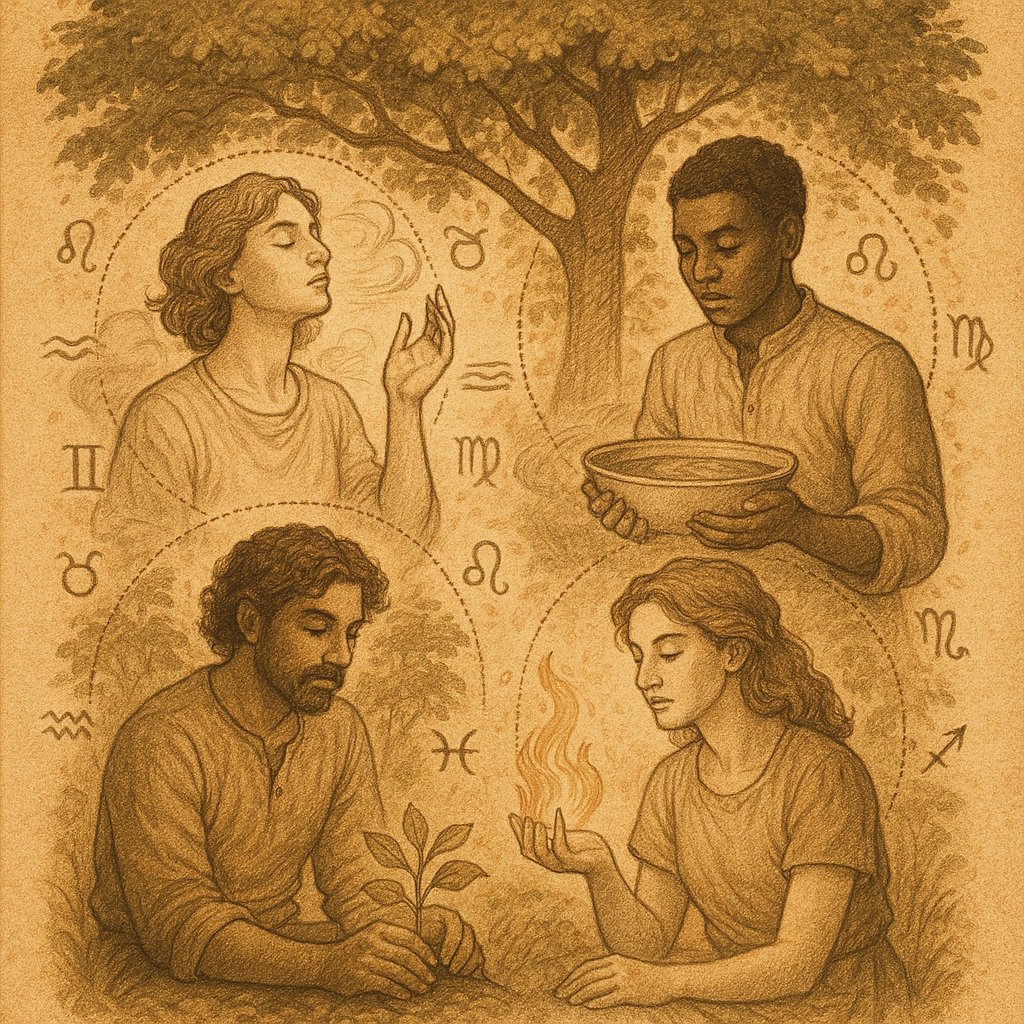
Jung’s Influence and the Four Psychological Types
Psychoastrology® finds its roots in the work of Carl Jung, who believed that the “seed” of personality is present at birth. Jung described four fundamental psychological types:
- Thinking: Logical, analytical, often aligned with air signs.
- Feeling: Values-driven, relational, with connections to water signs.
- Sensation: Present-focused, practical, tied to earth signs.
- Intuition: Possibility-oriented, future-focused, often related to fire signs.
By blending your psychological type with your astrological chart, a therapist can target approaches that work for you. For example, highly intuitive types might heal best through guided imagery or dreamwork, while thinkers may prefer journaling and cognitive techniques.

The Alchemy of Healing: Turning Wounds into Wisdom
Healing, at its best, is a process of transformation. Just as alchemists turned base metals into gold, psychoastrology® helps you turn emotional pain into hard-earned wisdom. Here’s how:
- Awareness: Get clear on the wound.
- Compassion: Develop self-forgiveness and understanding for why it formed.
- Action: Use a customized blend of therapy, spiritual tools, and self-care to transform old stories.
Astrological cycles help you time this journey—there’s a reason so many breakthroughs happen during Chiron returns or Saturn transits!
Practical Steps: How Sessions Integrate Both Worlds
Here’s what a psychoastrology® session at NOLATHERAPY might involve:
- Chart review: Identifying Chiron and other key placements
- Dialogue: Connecting chart themes to lived experience
- EMDR or cognitive-behavioral exercises to process difficult memories
- Coaching on self-forgiveness techniques
- Spiritual practices, like mindfulness or guided visualization
This approach is flexible—whether you need deep trauma processing, skills for anxiety, or just a cosmic perspective shift, we tailor the blend to you.
Self-Forgiveness: The Heart of Healing
If there’s a single thread running through psychoastrology®, it’s this: healing starts with forgiving yourself—not just for your wounds, but for the ways you’ve tried to survive them.
Therapists at Nolatherapy believe self-forgiveness isn’t a one-time act, but a process of loosening guilt, rewriting old scripts, and making peace with your journey. It’s powerful to realize that your core wounds might contain the exact gifts you’re here to share.
Why Choose A Blended Approach?
Why not get the best of both worlds? By working with a therapist who uses both modern psychology and the guidance of psychoastrology®, you’ll:
- Unlock insights and validation you might not get from talk therapy alone
- Connect your healing to larger cycles and meaning
- Tap into the language of soul, archetype, and belonging
Whether you’re feeling stuck or ready for a radical breakthrough, this approach honors both your practical needs and your deepest mysteries.
Ready to discover the gifts in your wounds? Explore our full range of services (see what’s possible here), or take the next step and schedule a session. Healing is possible—and sometimes written in the stars.
[References and further reading available upon request. All trademarks and modalities utilized with permission. For more about Lisa Tahir’s work and interviews, visit our Media page.]