





Some experiences leave a tender place in us. Maybe you learned early to stay quiet to keep the peace. Maybe rejection, loss, or a painful relationship shaped the way you see yourself. Or perhaps you’ve spent years trying to succeed at work while quietly worrying that you’re not enough.
Healing doesn’t mean pretending those experiences didn’t matter. It can mean learning to meet what hurts with more understanding, and discovering that your history does not have to define your future.
In astrology, Chiron is often called the “wounded healer.” The image offers a thoughtful way to explore how vulnerability can deepen empathy and insight. In Lisa Tahir’s book The Chiron Effect: Healing Our Core Wounds through Astrology, Empathy and Self-Forgiveness, Chiron becomes a prompt for noticing recurring patterns and approaching them with curiosity, empathy, and self-forgiveness.
This is an invitation to reflect, not a diagnosis or a promise that pain will automatically make you wiser. Your hurt deserves care in its own right. And, with support, what you learn through healing may become part of your wisdom.
The wounded healer: a story about pain and possibility
In Greek mythology, Chiron was a healer and teacher who sustained a wound that could not be cured. His story holds a paradox: someone can have deep knowledge of healing and still carry pain of their own.
That image resonates because healing isn’t always a neat before-and-after. A painful experience may leave a mark even as you grow in self-understanding, build more supportive relationships, or learn to protect your needs. The mark doesn’t make you broken. It also doesn’t mean the experience was meant to happen.
Chiron’s astrological symbolism can offer a lens for exploring tender areas: places where you might feel exposed, overlooked, or especially sensitive. The value is in the reflection it invites, not in treating a birth chart as a medical or psychological assessment. Lisa describes this integrative approach as Psychoastrology®, bringing psychological reflection into conversation with astrological symbolism. You can learn more on the Chiron page.

When pain becomes shame
Hurt and shame are not the same thing. Hurt says, “Something painful happened.” Shame tends to make it personal: “Something is wrong with me.”
That shift can shape how we move through the world. A person who has felt rejected may work hard to be liked by everyone. Someone who was criticized may become a perfectionist, hoping that flawless work will finally feel safe. If closeness once came with unpredictability, keeping people at a distance may feel easier than risking disappointment.
These responses aren’t character flaws. They may be ways you learned to protect yourself. Often, they helped you get through a difficult situation. The question is whether they still serve you now, or whether they’re keeping you stuck in an old pattern.
Try pausing when a strong reaction appears and asking:
- What happened just before I felt this way?
- What am I telling myself this feeling means about me?
- Does this reaction connect to something old, something happening now, or both?
- What would help me feel safer or more supported in this moment?
You don’t have to answer perfectly. Even noticing the difference between “I feel ashamed” and “I am shameful” can create a little space to choose what happens next.
Vulnerability is not weakness
Being vulnerable doesn’t mean telling everyone everything or revisiting painful memories before you feel ready. It can be as simple as admitting to yourself, “That affected me,” or saying to someone trustworthy, “I’m having a hard time and could use support.”
Vulnerability becomes more manageable when it includes choice and boundaries. You can decide what to share, with whom, and when. You can take a break. You can seek professional help. And you can work toward healing at a pace that respects your needs.
Self-compassion can support that process. Instead of asking, “Why am I still like this?” try asking, “What might I need right now?” This isn’t avoiding responsibility. It is responding to yourself with the care you might offer someone you love, so that change can come from understanding rather than self-punishment.
Research on self-compassion and post-traumatic stress suggests a meaningful relationship between kinder self-responding and fewer trauma symptoms, though the research does not mean self-compassion is a cure or that it works the same way for everyone. See this systematic review of self-compassion, trauma, and PTSD and a review and meta-analysis of self-compassion-focused interventions.

Growth doesn’t make the wound worthwhile
Some people describe changes after adversity: a clearer sense of what matters, deeper appreciation for connection, or a stronger commitment to their values. Psychologists sometimes call this post-traumatic growth. It can be a helpful concept, but it needs care.
Growth is not guaranteed, and it does not mean a painful experience was beneficial or necessary. You don’t owe anyone a lesson, an inspiring story, or a polished version of your healing. Recovery can be uneven. You may feel stronger in one part of life and still struggle in another.
Rather than measuring growth by how positive you feel, you might notice smaller, more grounded changes: asking for help sooner, setting a boundary, treating yourself less harshly, or recognizing when a relationship feels safe. These are meaningful shifts even if difficult feelings remain.
Turning insight into a small act of care
If the wounded-healer idea speaks to you, let it open a question rather than close the conversation. You might journal on one of these prompts:
- Where do I feel especially tender or self-conscious? Name the situation, without judging yourself for having a reaction.
- What did I learn to do to protect myself? Perhaps you became highly self-reliant, agreeable, watchful, or driven. Acknowledge the purpose that response served.
- What would support look like today? It might be rest, a clear boundary, an honest conversation, a creative outlet, or support from a therapist.
- What wisdom have I earned without excusing what hurt me? Perhaps you recognize exclusion more quickly, value honest communication, or can offer someone else the empathy you once needed.
Choose one small action that feels realistic. If a reflection feels overwhelming, stop and ground yourself in the present: notice your feet on the floor, take a few slow breaths, or reach out to someone you trust. You don’t have to explore painful material alone.
For some people, the Chiron archetype provides meaningful language for questions about vulnerability, self-forgiveness, and repeated patterns. For others, a different framework may feel more useful. Either way, astrology should be a reflective companion, not a substitute for mental-health care or a label that determines who you are.
Your wound is part of your story, not the whole story
The wounded healer is not someone who has to be completely healed before they can care, connect, or contribute. It is a reminder that compassion can grow alongside vulnerability, and that understanding your own experience may help you meet other people with greater tenderness.
You deserve support whether or not your pain leads to a lesson. You are allowed to heal at your own pace, to change your mind, and to build a life that isn’t organized around an old hurt.
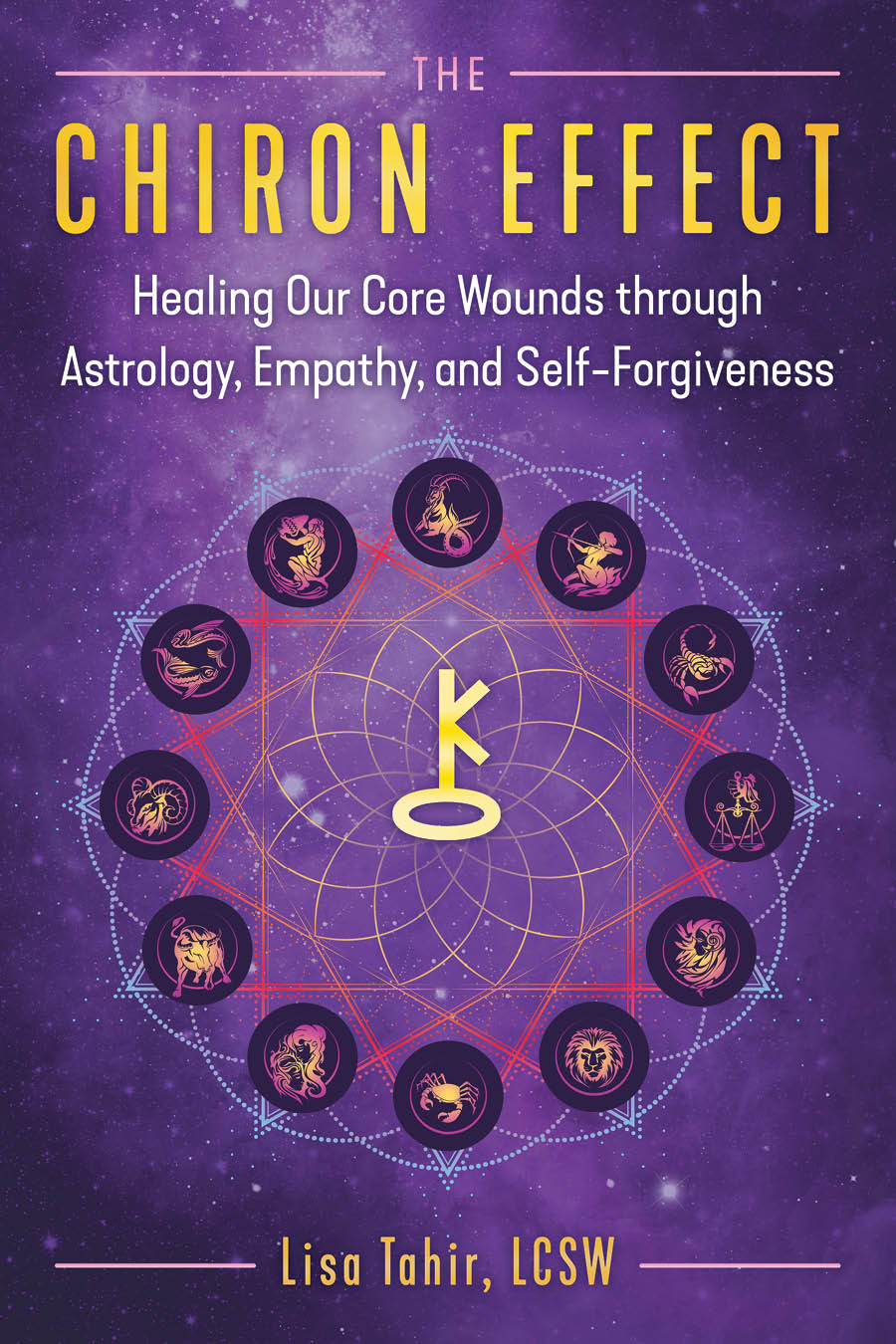
To explore Lisa Tahir’s approach in more depth, visit the Chiron page and learn about her book, The Chiron Effect. For individualized support, you can also learn about virtual therapy and scheduling a session with Nolatherapy.