






As autumn settles in and the days grow shorter, many of us feel invited to slow down and take stock. In astrology, Scorpio season, typically around October 23 to November 22-is associated with emotional depth, honest reflection, and transformation. You don’t need to believe the stars determine your experience to find meaning in these themes. You can use them as a gentle prompt to notice what’s happening inside and choose what you’d like to nurture or change.
The courage to look within isn’t about forcing yourself to relive painful moments or having every answer. It’s about meeting your feelings with curiosity, compassion, and enough patience to hear what they might be telling you.

Scorpio season as a reflection prompt
In the language of astrology, Scorpio is often linked with what lies beneath the surface: the feelings, needs, fears, and longings we may not share right away, even with ourselves. Through a Psychoastrology® lens, seasonal symbolism can offer a framework for reflection, not a diagnosis or a scientific explanation of what you’re feeling.
You might ask: What am I ready to understand more honestly? Where am I holding on because change feels uncertain? What would it look like to respond to myself with more care?
There’s no requirement to uncover something dramatic. A useful insight might be as simple as realizing you’re exhausted, missing connection, or saying yes to more than you can manage. Small truths can make room for meaningful change.
Reflection can help, when it doesn’t become rumination
Looking inward can support self-understanding, but there’s a difference between reflection and getting stuck in a loop. Reflection tends to help you name what you’re feeling, consider different perspectives, and identify a next step. Rumination often circles the same painful thoughts without offering new information or relief.
One way to create a little distance is to imagine a caring, wise person listening to your situation. What might they notice? Or try writing about yourself in the third person: “What might Alex need right now?” A systematic review of experimental research found a small advantage for self-distanced reflection compared with reflecting from a more immersed perspective. It isn’t a cure-all, but a shift in perspective may help some people reflect with greater steadiness.
If journaling starts to intensify distress or leaves you replaying the same worries, pause. Try grounding in the present: feel your feet on the floor, take a few slower breaths, name five things you can see, or reach out to someone you trust. You can return to reflection later, with support if you need it.
Honor what the season brings up
Autumn can bring changes in daylight, weather, routines, and social activity. These shifts affect people differently: some welcome the quieter pace, while others notice changes in energy or mood. A study following adults across the seasons found that depressive symptoms and rumination increased for some participants from summer into early winter, while acceptance decreased. That doesn’t mean everyone will feel worse in autumn, or that astrology causes a change in mood. It’s a reminder to notice your own patterns with kindness.
Try a brief check-in once a day:
- What am I feeling? Name the emotion as specifically as you can.
- What might I need? Rest, movement, connection, a boundary, or practical help?
- What’s one small thing I can do today? Choose an action that feels realistic, not perfect.
If low mood, loss of interest, fatigue, difficulty concentrating, or changes in sleep continue or interfere with daily life, consider talking with a health professional. Winter-pattern seasonal affective disorder is a form of depression related to seasonal changes in daylight; it is not an astrological effect. The National Institute of Mental Health offers information on seasonal affective disorder and treatment. A clinician can help you understand what you’re experiencing and discuss appropriate options.

Use emotional insight to support work/life balance
Emotional transformation doesn’t have to mean making a dramatic change. Often, it begins with noticing where your everyday life is asking too much of you.
You may realize that you’re answering work messages late into the evening, carrying responsibilities that could be shared, or setting aside rest until everything is done. Instead of judging yourself for how you got there, get curious about what the pattern may be doing for you. Does staying constantly busy help you avoid disappointment, conflict, or uncertainty? Does taking care of everyone else make it harder to ask for support?
Choose one small boundary to practice. You might set a time to stop checking work messages, block a short break on your calendar, or ask someone to share a task. Boundaries are not a rejection of other people; they can be a way to care for your own needs while staying connected.
It may help to think of change as a series of manageable choices, rather than a demand to reinvent yourself overnight. Notice what works, adjust when needed, and let progress be gradual.
Bring compassion to old patterns
A recurring pattern (such as withdrawing during conflict, overcommitting, or doubting your worth) may have developed as a way to cope or feel safe. Understanding its history can be valuable, but you don’t have to judge yourself for having learned it. You can acknowledge that a strategy may once have helped, while asking whether it still serves you now.
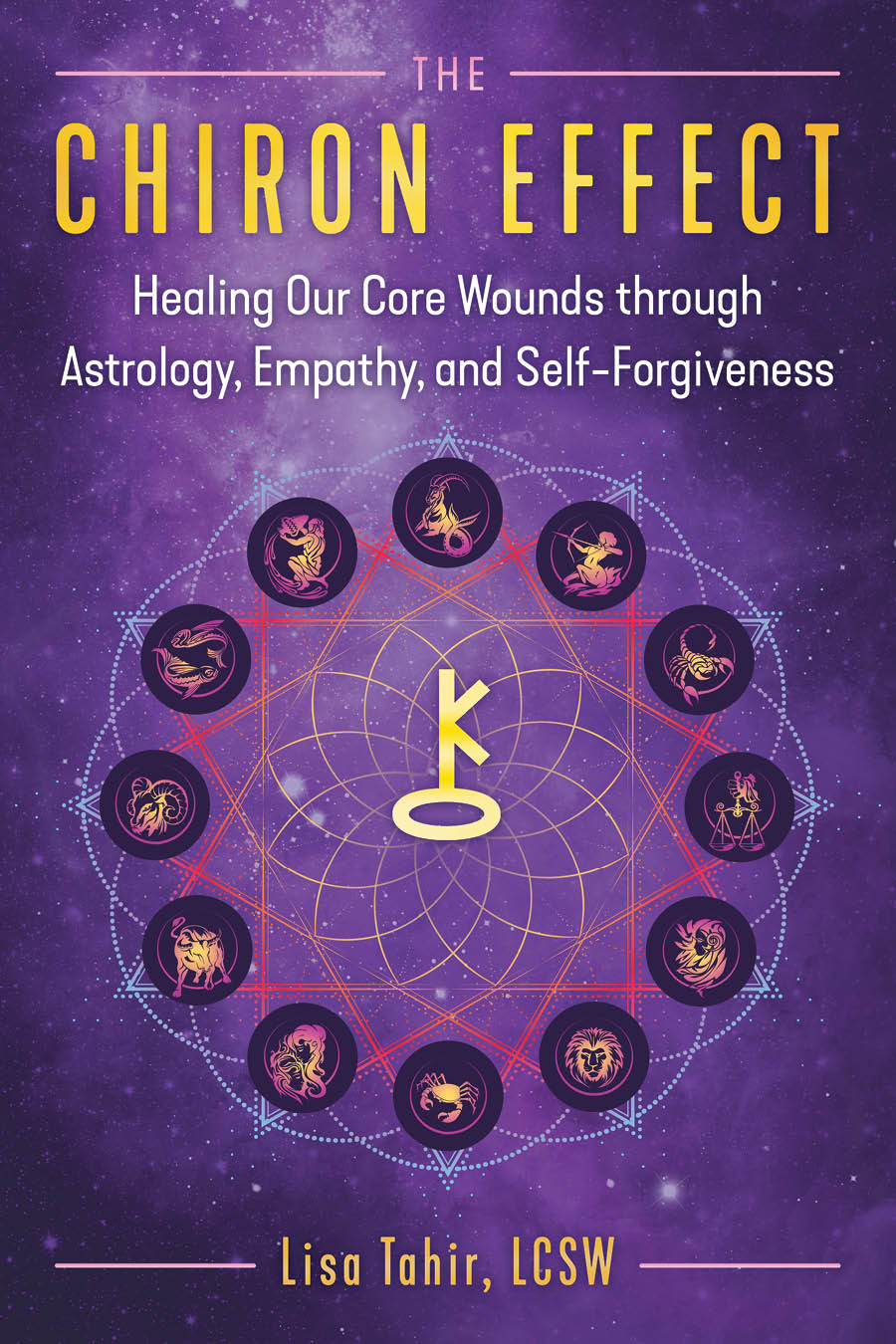
Lisa Tahir’s book, The Chiron Effect: Healing Our Core Wounds through Astrology, Empathy and Self-Forgiveness, explores core wounds and recurring patterns through a blend of psychological ideas and astrological symbolism. In her Psychoastrology® approach, Chiron can offer a symbolic lens for considering vulnerability and healing. It’s a reflective framework for self-exploration, not a substitute for clinical assessment or care.
An empathetic question can be more useful than a harsh judgment: “What was I trying to protect?” From there, consider: “What support or choice might help me respond differently today?” Self-forgiveness doesn’t mean excusing harm or skipping accountability. It means making room to learn without treating yourself as beyond change.
A simple practice for the season
Set aside ten quiet minutes and try this three-part reflection:
- Notice: What feeling or situation has been asking for my attention?
- Understand: What need, value, or boundary might be underneath it?
- Choose: What is one caring, practical next step?
You can keep the practice brief. You don’t need to resolve your whole story in one sitting. If strong feelings arise, take a break, connect with someone safe, or seek professional support.
Scorpio season can be a meaningful invitation to look within, but you get to decide what the symbolism means in your own life. Let reflection be gentle, stay connected to the people and routines that support you, and remember that transformation can begin with one compassionate choice.
If you’d like to explore these themes further, learn more about Lisa Tahir’s The Chiron Effect and Psychoastrology® insights. And if you’re ready for support with emotional well-being, relationships, work/life balance, or personal growth, you’re welcome to explore virtual therapy services or schedule a session. You don’t have to navigate the inward journey alone.