





Have you ever had the quiet realization that you have been editing yourself to keep something safe?
Maybe you stopped sharing your real opinion because it created tension. Maybe you became endlessly flexible in a relationship, took on extra work to remain indispensable, or stayed agreeable in a friendship where your needs rarely had room. From the outside, everything may look peaceful. Inside, though, you can feel the cost of constantly making yourself smaller.
This is the deeper invitation of Venus retrograde in Scorpio, which begins October 3, 2026. Rather than focusing on the familiar “someone from the past may return” interpretation, let’s explore a more meaningful question:
Where have I confused love, belonging, or security with abandoning myself?
Venus retrograde as a Psychoastrology® invitation
In astrology, Venus symbolizes love, pleasure, values, self-worth, beauty, money, and the ways we give and receive affection. When Venus appears to move backward through the sky, we can use that symbolism as an invitation to pause and review, not as a prediction or warning.
In Psychoastrology®, astrology is a reflective tool. It can help us name patterns, access intuition, and consider unconscious material. It is not fortune-telling, and it is never a replacement for mental health care.
Venus stations retrograde in Scorpio on October 3 and moves back into Libra on October 25. Scorpio asks us to look beneath the surface: What do I fear losing? What am I trying to control? Where do I give away my power in exchange for closeness? Libra, where the Sun is also traveling this month, brings the conversation back to balance, fairness, and mutuality.
This Venus retrograde cycle may be especially useful for reviewing:
- What you truly value, beyond what you were taught to value
- Whether your relationships include genuine reciprocity
- How you define loyalty and commitment
- What you accept when you fear rejection
- Whether your self-worth depends on being chosen, needed, or approved of
- How you want to be loved, and how you want to love yourself
The surrounding October astrology adds another layer of reflection: a New Moon in Libra on October 10, Pluto stations direct in Aquarius on October 15, and Mercury stations retrograde in Scorpio on October 24. The Full Moon in Taurus arrives October 26, inviting us to return to the body, stability, and what is actually sustainable.
You do not have to make every decision during an emotionally intense moment. You can slow down enough to hear yourself.

When attachment turns into self-abandonment
Attachment patterns can influence how we respond when closeness feels uncertain. Someone with anxious attachment may become hyperfocused on another person’s mood, availability, or approval. Someone with avoidant attachment may disconnect from their own needs or insist they do not need anyone. Many people experience a combination of these patterns depending on the relationship and the circumstances.
These patterns are not character flaws. They are often learned ways of protecting yourself.
If connection once felt inconsistent, conditional, unsafe, or difficult to predict, you may have learned to monitor other people closely. You may try to prevent disconnection by becoming especially helpful, agreeable, sexual, productive, quiet, or emotionally accommodating.
This is where the term “fawn response” can be useful. While “fawn” is not a formal diagnosis and the exact term is still more common in clinical and popular trauma-informed language than in research literature, it describes a pattern of appeasing, complying, or pleasing in response to perceived threat.
The nervous system may be saying:
- “If I keep them happy, I will be safe.”
- “If I do not need anything, they will not leave.”
- “If I become easier to love, I will finally be loved.”
- “If I can fix this, I will not have to feel helpless.”
Self-abandonment can then look like love. You may call it patience, understanding, compassion, or loyalty. Those qualities are beautiful when they include you, too. They become painful when your care for another person requires the disappearance of your own voice.
Research supports a meaningful connection among attachment, self-compassion, emotional distress, and relationship functioning. A scoping review of 72 articles found that self-compassion was generally associated with secure attachment, healthier close relationships, constructive conflict repair, and more balanced responses to interpersonal needs. A clinical study of adults with anxiety and depression also found that lower self-compassion and attachment insecurity were associated with greater emotional distress.
This does not mean you can simply “think” yourself into secure attachment. It does mean self-compassion is a skill that can be developed, and that treating yourself with kindness may help you relate from choice rather than fear.
The Chiron thread: “Am I too much, or not enough?”
Many relationship wounds gather around a familiar question:
Who do I have to be in order to be loved?
For some, the wound says, “I am too much.” Too emotional. Too needy. Too intense. Too ambitious. Too sensitive. For others, it says, “I am not enough.” Not attractive enough, successful enough, interesting enough, calm enough, or worthy enough to stay.
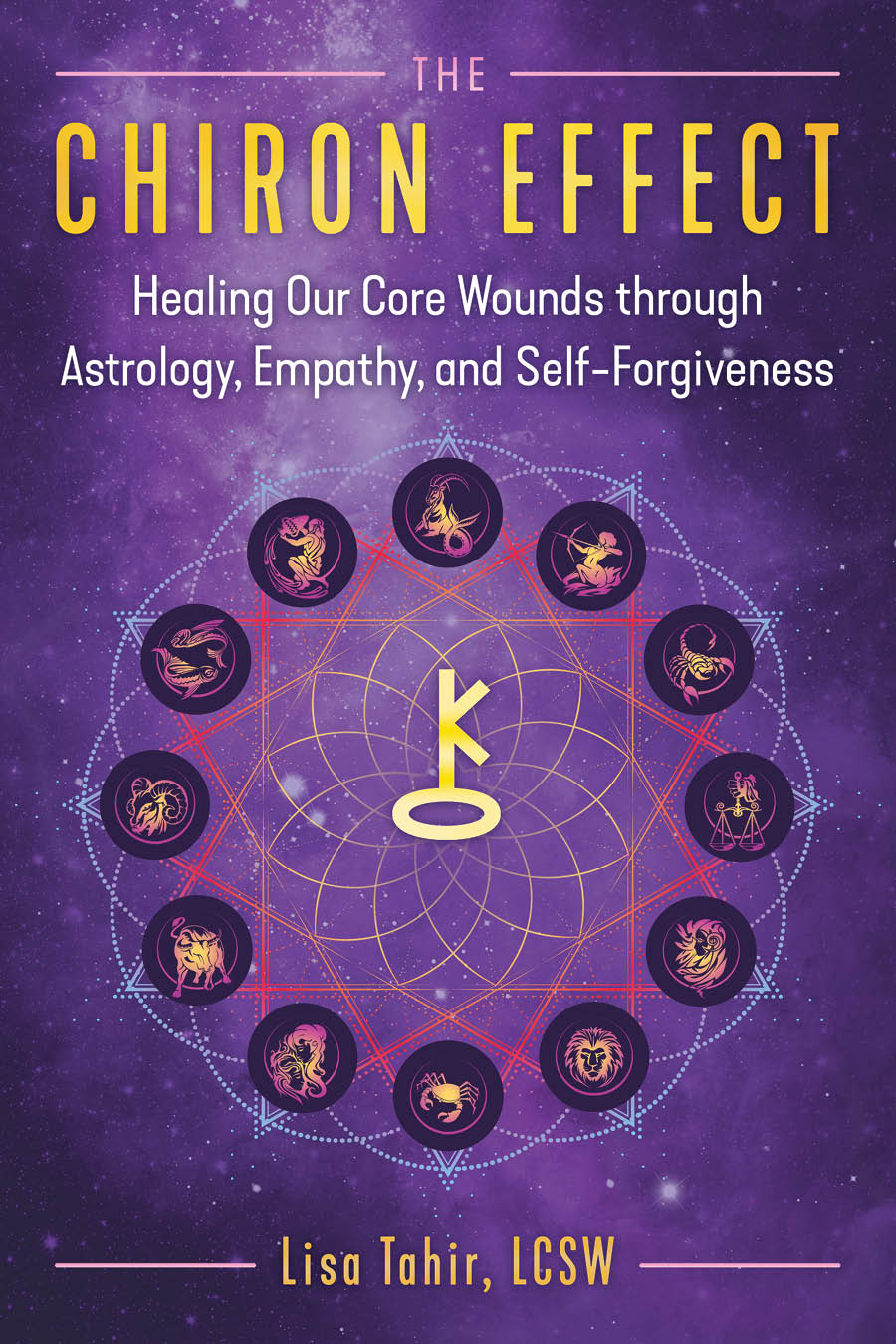
In Lisa Tahir’s work with Chiron, the “wounded healer” represents a place of vulnerability that can become a source of wisdom and empathy. The wound is not something you deserved, and it does not have to define your future. Often, the very places where you have felt most tender become the places where you learn to recognize pain in yourself and others with greater compassion.
The goal is not to erase your history or pretend that what happened did not matter. The goal is to stop organizing your entire life around preventing the old pain from happening again.
You can honor the part of you that learned to appease without allowing that part to run every relationship.
Try a Venus retrograde self-worth review
1. Journal with honesty and tenderness
Choose one or two prompts:
- Where am I editing myself to preserve a relationship, job, or friendship?
- What do I believe would happen if I expressed my honest need?
- What do I repeatedly tolerate because I fear being alone?
- Which parts of myself feel easiest to offer, and which parts feel unsafe to reveal?
- What does reciprocity look like to me in everyday behavior?
- If I already believed I was worthy, what choice would become possible?
Try writing without correcting yourself. You are not creating a legal argument. You are listening for the truth beneath the performance.
2. Complete a reciprocity audit
Choose one relationship and divide a page into two columns:
What I give | What I receive
Include emotional support, time, initiation, practical help, affection, respect, accountability, curiosity, repair, and space to be fully yourself.
This is not about keeping score. Healthy relationships will not always be perfectly equal in every moment. People get sick, overwhelmed, busy, or need extra care. The question is whether there is a living pattern of mutuality over time.
Ask yourself:
- Can I bring up a concern without being punished or dismissed?
- Does the other person show interest in my inner world?
- Are my boundaries treated as information or as betrayal?
- After conflict, is there repair, or only pressure to move on?
- Do I feel more like myself in this relationship, or less?
3. Practice one compassionate boundary
You might say:
“I care about you, and I also need to be honest about what works for me. I’m not available to continue this pattern. I’m willing to talk about a solution that respects both of us, but I’m no longer willing to override my own needs to keep the peace.”
A boundary is not a punishment. It is clarity about what you will participate in and what you need in order to remain emotionally and physically safe.
A five-minute practice for the urge to chase or fix
When you feel compelled to send another message, over-explain, apologize for having needs, or rescue someone from their discomfort, pause.
- Minute one: Orient. Look around and name five things you see, four things you feel, and three sounds you hear.
- Minute two: Breathe. Inhale gently for four counts and exhale for six. Repeat several times.
- Minute three: Place a hand on your heart or lower ribs. Say, “Something in me is afraid of disconnection.”
- Minute four: Separate urgency from truth. Ask, “What action would I take if I knew I did not have to earn love?”
- Minute five: Choose one supportive next step. Wait 20 minutes before responding, write the message in your notes instead, contact a trusted person, or return to the boundary you already identified.
The goal is not to suppress desire. Scorpio teaches us that desire carries information. The goal is to let desire speak without letting fear make every decision.

When professional support may help
If relationship patterns are connected to trauma, panic, depression, addiction, intense anxiety, coercion, abuse, or difficulty functioning, support from a licensed mental health professional can help you move toward safety and lasting change. You do not have to wait until a relationship ends, or until you reach a breaking point, to ask for help.
If you are in immediate danger, call emergency services. If you are in the United States and experiencing a mental health crisis or thoughts of suicide or self-harm, call or text 988 or visit the 988 Suicide & Crisis Lifeline. If you are outside the U.S., contact your local crisis service or emergency number.
Astrology can offer language and reflection. Therapy can offer clinical care, support, and a place to practice new ways of relating.
Loving without losing yourself
Venus retrograde in Scorpio is not here to frighten you. It is an invitation to become more honest about what love costs when you are not included in the equation.
You are allowed to have needs. You are allowed to change your mind. You are allowed to want depth without accepting emotional chaos. You are allowed to be generous without becoming responsible for another person’s feelings. You are allowed to leave relationships, jobs, and dynamics that require you to abandon yourself in order to belong.
If you would like to explore your patterns of wounding and healing, learn more about Lisa Tahir’s book, The Chiron Effect: Healing Our Core Wounds through Astrology, Empathy and Self-Forgiveness. You can also explore Psychoastrology®, review therapy services, or schedule a session.
Lisa offers personalized virtual sessions by phone, FaceTime, and Zoom. You can also listen to the All Things Therapy podcast for compassionate conversations about emotional health, mindset, spirituality, and personal transformation.
You do not have to become less of yourself to be loved well.