





You may know the feeling: Someone asks for a favor, an extra task, emotional support, or one more adjustment, and before you even check in with yourself, you say, “Sure.”
Then, later, you feel tired. Irritated. Invisible. Maybe even a little angry that no one seems to notice how much you are carrying.
This is the quiet cost of people-pleasing. It often looks like kindness on the outside, while inside, you are slowly losing contact with your own needs, preferences, values, and voice.
People-pleasing is not a character flaw. It is often a protective strategy. For many people, it develops when connection, safety, or approval once felt dependent on being agreeable, useful, easygoing, or emotionally accommodating. Your nervous system may have learned, If I keep everyone happy, I will be safe. If no one is upset with me, I won’t be rejected.
That strategy may have helped you survive earlier relationships or environments. But what once protected you can eventually begin to exhaust you.
What people-pleasing can look like in everyday life
People-pleasing does not always look like obvious self-sacrifice. Sometimes it is subtle and so familiar that it feels like “just who I am.”
You may be people-pleasing without realizing it if you:
- Say yes immediately, then wish you had more time to think.
- Apologize when someone else is disappointed, frustrated, or inconvenienced.
- Change your preferences based on what others want.
- Avoid sharing an opinion because you do not want to create tension.
- Feel responsible for managing everyone else’s emotions.
- Over-explain your choices, needs, or boundaries.
- Volunteer for more at work while quietly falling behind or burning out.
- Feel anxious when someone is quiet, distant, or displeased.
- Have difficulty identifying what you want until you know what everyone else wants.
- Offer forgiveness, understanding, and second chances without asking whether the relationship is reciprocal.
- Feel resentful but tell yourself you “shouldn’t” feel that way.
- Experience guilt when resting, receiving help, or prioritizing yourself.
A key sign is the gap between your external response and your internal truth. You say yes, but your body says no. You smile, but your stomach tightens. You agree, but a part of you feels abandoned.
That part of you deserves compassion, not criticism.
The fawn response: when pleasing becomes protection
Psychology commonly describes fight, flight, and freeze as trauma responses. Fawning is another protective response: attempting to create safety by appeasing, accommodating, or anticipating another person’s needs.
The fawn response can develop in homes or relationships where conflict felt unpredictable, emotions were dismissed, or love seemed conditional. Perhaps you learned that having needs made you “too much.” Perhaps you became the peacemaker, the responsible one, or the person who could sense a shift in the room before anyone else noticed.
Attachment theory helps explain why approval can feel so urgent. Our early relationships teach us what we believe we must do to maintain connection. If you learned that closeness depended on being compliant or emotionally low-maintenance, your adult nervous system may continue trying to secure love by abandoning your own truth.
This does not mean you are broken. It means your system became highly skilled at protecting you.
But constant self-silencing has a cost. It can contribute to anxiety, emotional exhaustion, resentment, low self-esteem, difficulty with work/life balance, and relationships where people know what you provide, but not necessarily who you are.
As Lisa has written about the relationship between stress and the body, ongoing emotional strain can affect the nervous system, sleep, muscles, digestion, and overall well-being. You can read more about that mind-body connection in “Is Stress Affecting Your Body?”.

The Psychoastrology® lens: harmony, merging, wounds, and limits
Psychoastrology® offers a symbolic language for understanding patterns. It does not replace psychological care, and astrology does not cause people-pleasing. Instead, these archetypes can help us reflect on the stories we carry and the places where growth is asking for our attention.
Libra and Venus: the longing for harmony
Libra and Venus are often associated with relationship, beauty, fairness, connection, and harmony. In their healthy expression, they remind us that relationships require mutuality. Your needs matter, and another person’s needs matter, too.
In the shadow expression, the longing for harmony can become conflict avoidance. You may confuse peace with the absence of disagreement. You may believe that a good relationship is one in which no one is ever uncomfortable.
But real harmony is not created by one person constantly adjusting while the other person gets their way. Healthy harmony includes honesty, repair, negotiation, and room for difference.
Neptune: compassion without losing yourself
Neptune can symbolize sensitivity, spirituality, imagination, empathy, and merging. These qualities can be beautiful gifts. You may be deeply intuitive and able to understand what others are feeling.
The challenge comes when compassion becomes over-identification. You feel someone else’s pain and assume it is your responsibility to fix it. You absorb their mood. You excuse behavior that harms you because you can understand why they act that way.
Neptune’s healing question is: Can I remain compassionate without becoming porous?
Chiron: “I must be agreeable to be loved”
Chiron, in Lisa Tahir’s work, represents a core wound and the possibility of healing through empathy and self-forgiveness. For some people, the wound connected to people-pleasing sounds like:
- “I must be agreeable to be loved.”
- “My needs will push people away.”
- “If I disappoint someone, I will be abandoned.”
- “I am valuable when I am useful.”
- “There is no room for my anger, preference, or truth.”
The healing does not come from shaming yourself for having this wound. It comes from recognizing the pattern and practicing a new relationship with yourself.
You can learn more about Lisa’s approach in The Chiron Effect: Healing Our Core Wounds through Astrology, Empathy and Self-Forgiveness.
Saturn: the teacher of honest limits
Saturn brings structure, responsibility, accountability, and boundaries. Saturn teaches that love without limits can become depletion, and responsibility without discernment can become over-functioning.
A Saturn-inspired boundary may sound like: “I care about you, and I cannot do that today.” Or, “I understand that you are disappointed, but my decision is still the same.”
Someone else’s disappointment is not automatically evidence that you have done something wrong.
Five gentle practices for becoming honestly you
You do not have to transform your entire life overnight. Small, consistent choices help your nervous system learn that honesty and connection can coexist.
1. Pause before you say yes
When someone asks you for something, try not to answer immediately. Give yourself a moment to notice your body.
Place one hand on your chest or abdomen. Feel your feet on the floor. Take a slower breath and ask:
- Do I genuinely want to do this?
- Do I have the capacity?
- Am I agreeing from desire, fear, guilt, or obligation?
- What happens in my body when I imagine saying yes? What happens when I imagine saying no?
You can say, “Let me check my schedule and get back to you.” A pause is not rude. It is a bridge back to yourself.
2. Track resentment as data
Resentment is not always a sign that someone else is terrible. Sometimes it is information about where you have repeatedly overridden yourself.
For one week, write down moments of resentment and ask:
- What did I agree to?
- What did I actually need?
- What boundary did I avoid?
- What did I fear would happen if I were honest?
Resentment can become a compass. It can show you where your yes has become disconnected from your values.
3. Practice one small, honest no each week
Start with a low-risk boundary. You might decline an invitation, ask for more time, stop answering work messages after a certain hour, or choose the restaurant you actually prefer.
Try simple language:
- “I’m not available for that.”
- “That does not work for me.”
- “I need more time before I decide.”
- “I can help for thirty minutes, but I cannot take this on fully.”
- “No, thank you.”
You do not need to provide a ten-minute explanation for a two-word boundary.

4. Clarify your own values
People-pleasing can make you highly aware of everyone else’s priorities while leaving you unsure of your own.
Choose three to five values that you want your life to reflect. These might include honesty, creativity, family, rest, justice, spirituality, health, freedom, or meaningful work.
Then ask: Does this yes support my values, or does it pull me away from them?
A values-based life will not please everyone. It will, however, feel more internally coherent.
5. Reassure the younger part of you
When guilt or fear rises after you set a limit, imagine speaking to the younger part of you who learned to stay safe by being agreeable.
You might say:
“You do not have to manage everyone’s feelings to be loved.”
“You are allowed to have needs.”
“Disagreement does not mean abandonment.”
“I am here with you now, and I will not leave you for being honest.”
This is not about blaming parents, caregivers, or your past. It is about offering yourself the safety and compassion you may have needed then, and need now.
Your honesty can become a form of love
Being honestly you does not mean becoming harsh, selfish, or unavailable. It means allowing kindness and truth to exist together.
The goal is not to stop caring about people. The goal is to stop disappearing inside your care for them.
Healthy relationships can hold your no. Healthy workplaces can make room for your limits. Secure connection does not require you to perform a version of yourself that never needs anything.
If people-pleasing is affecting your relationships, self-worth, anxiety, or work/life balance, support can help you understand the pattern without shame. Lisa Tahir, LCSW, offers personalized virtual sessions by phone, FaceTime, or Zoom. You can schedule a session here.
You may also find encouragement and insight through Lisa’s All Things Therapy podcast, where conversations explore emotional health, healing, mindset, spirituality, and personal transformation.
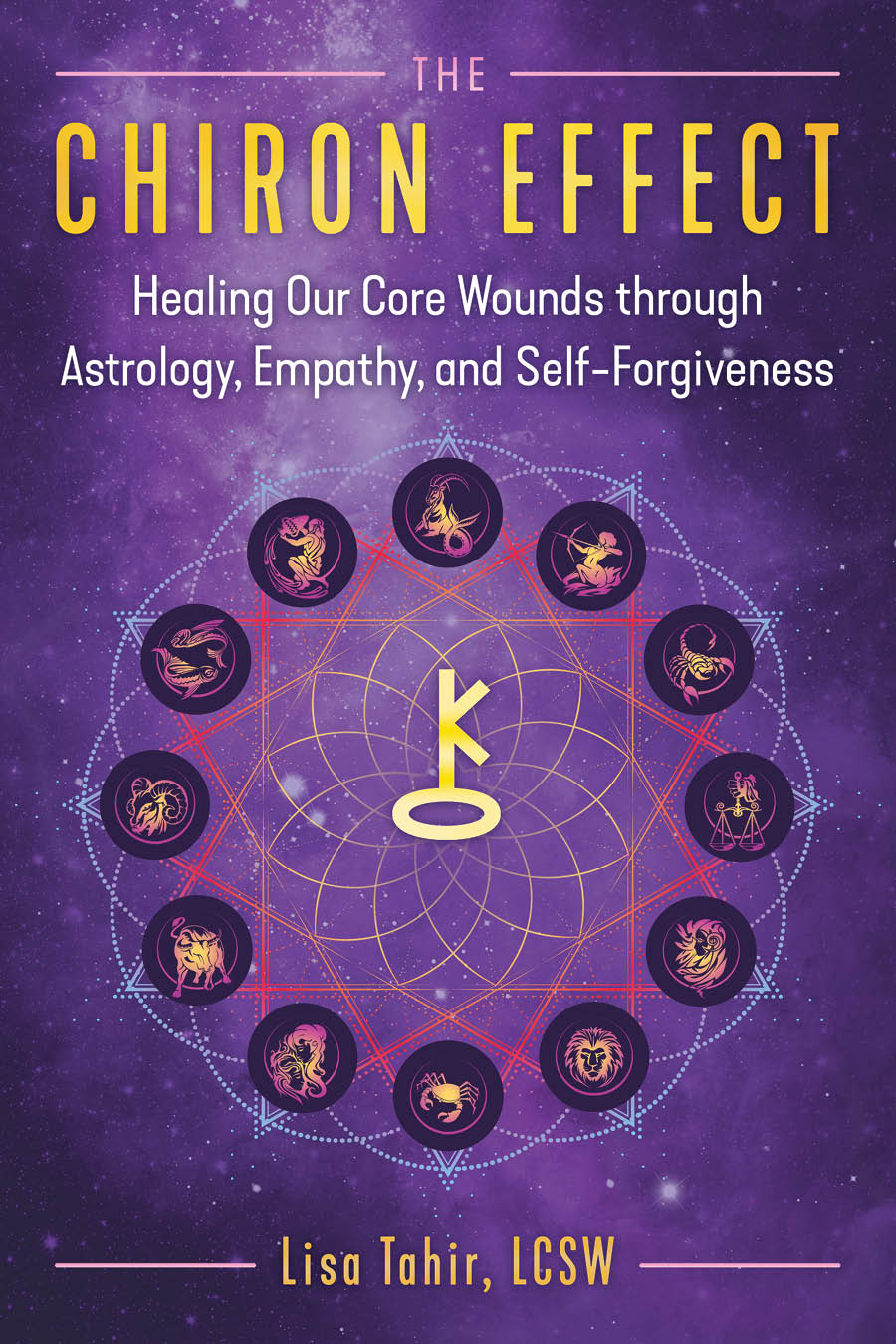
And if this topic speaks to a deeper pattern you are ready to understand, explore The Chiron Effect. Your wounds may have shaped your protective strategies, but they do not have to define the rest of your story.