





As the light begins to change and the days gradually grow shorter, the Autumn Equinox invites us to pause. It is a natural threshold, a moment between seasons that can help us reflect on what we have cultivated, what we have outgrown, and what we are ready to carry forward.
In 2026, the Autumn Equinox arrives on September 22 in the evening across much of North America, with the exact astronomical moment occurring on September 23 at 00:05 UTC. In Western astrology, this is also when the Sun enters Libra, a sign traditionally associated with balance, relationships, harmony, fairness, and conscious choice.
From a psychological perspective, seasonal transitions can be meaningful checkpoints. They give us an opportunity to slow down, notice our internal experience, and make small adjustments before stress, anxiety, or emotional exhaustion become overwhelming.
From a Psychoastrology® perspective, the equinox offers a symbolic doorway into personal transformation. We can use the language of astrology not as a replacement for mental health care, but as a reflective tool, one that helps us ask better questions about our patterns, relationships, and deeper needs.
Why Seasonal Transitions Can Affect Mental Health
Changes in daylight, temperature, schedules, and social rhythms can influence sleep, motivation, mood, and energy. Some people experience a noticeable seasonal shift, while others simply feel more introspective, tired, or emotionally tender as summer comes to an end.
If you notice persistent sadness, significant anxiety, changes in sleep or appetite, hopelessness, or difficulty functioning, please consider reaching out to a qualified mental health professional. Seasonal reflection can support your well-being, but it should not replace therapy or medical care.
The equinox can be especially helpful because it gives us a structure for noticing what is happening within us. Instead of asking, “What is wrong with me?” we can gently ask:
- What is changing in my life right now?
- What am I trying to hold together that may need to be rebalanced?
- Where am I giving more than I am receiving?
- What does my body seem to be asking for?
- What would a more sustainable rhythm look like?
These questions connect the symbolic themes of astrology with practical mental health care.
The Libra Invitation: Balance Without Perfection
Libra is often associated with balance, but balance does not mean every part of life receives equal attention every day. Some seasons require more work. Other seasons require rest, healing, caregiving, or rebuilding.
Healthy balance is flexible. It is the ability to respond to your needs with awareness rather than living according to rigid expectations.
For example, work/life balance may not mean leaving work at the same time every day. It may mean creating a transition ritual between work and home, setting a boundary around email, or acknowledging when your workload is no longer sustainable.
In relationships, balance may mean learning to compromise without abandoning yourself. It can mean listening more deeply while also communicating your own needs. It may involve releasing the belief that keeping the peace requires you to remain silent.
This is where psychology and astrology can complement one another. Libra reminds us to examine our relationships and choices. Psychology helps us identify the beliefs, attachment patterns, fears, and behaviors that may be shaping those choices.
A Psychoastrology® Ritual for the Autumn Equinox
You do not need special tools or a perfect environment for this ritual. You can complete it in 15 to 30 minutes with a journal, a quiet space, and a willingness to be honest with yourself.
If you are in the Southern Hemisphere, the September equinox marks spring rather than autumn. You can adapt the ritual to focus on what you are preparing to grow, begin, or welcome.
1. Arrive in your body
Before reflecting, help your nervous system feel supported.
Place both feet on the floor. Notice the surface beneath you. Take several slow breaths without forcing them to be deep. Look around and name five things you see, four things you feel, three things you hear, two things you smell, and one thing you appreciate in this moment.
This grounding practice can be useful when anxiety and spirituality intersect. Spiritual reflection feels more supportive when it includes the body, not only the mind.
2. Name what you have harvested
The word “harvest” does not only refer to accomplishments. You may have harvested a boundary, a hard-earned insight, a new friendship, a period of sobriety, a greater awareness of your emotions, or the courage to ask for help.
Write down three things you have learned or developed during the past several months.
Try completing these sentences:
- I am proud that I…
- I understand myself more clearly when…
- A strength I have practiced is…
- Something I want to continue nurturing is…
This exercise supports values clarification and self-recognition. When we only focus on what remains unfinished, we can lose sight of the evidence that we are already changing.

3. Identify what you are ready to release
Letting go is not the same as pretending something did not matter. Sometimes we release an outdated role, a self-critical belief, an unhealthy coping strategy, or the expectation that another person will become someone they have shown us they are not ready to be.
Write down one pattern, commitment, or belief that is taking more energy than it gives back.
You might be ready to release:
- The belief that rest must be earned
- Saying yes to avoid disappointing people
- Comparing your healing to someone else’s timeline
- Replaying a conversation you cannot change
- Using busyness to avoid difficult feelings
- Taking responsibility for another adult’s emotions
You do not have to release everything at once. Choose one small, specific action that represents a new direction. You might mute notifications after a certain hour, schedule a needed conversation, attend a support meeting, or set aside ten minutes for quiet each morning.
4. Explore your Chiron themes
In Lisa Tahir’s Psychoastrology®, Chiron represents a place of vulnerability that can become a doorway to healing. The goal is not to label yourself or become trapped in a story about being wounded. Instead, Chiron can help you notice where painful patterns repeat and where empathy, self-forgiveness, and personal responsibility may create a new choice.
Ask yourself:
- Where do I feel most sensitive or easily triggered?
- What pattern seems to repeat in my relationships, work, or self-image?
- What protective strategy once helped me survive but may no longer serve me?
- What would compassion look like in this area?
- What support would help me respond differently?
These questions can be explored through therapy, journaling, meditation, or a personalized Psychoastrology® session. Astrology may provide a symbolic map, while psychological work helps you build the skills and support needed to navigate the terrain.
5. Create one balance commitment
Choose one commitment for the coming season. Make it realistic enough that you can practice it even during a difficult week.
Examples include:
- I will take a short walk or spend time outdoors several mornings each week.
- I will protect a consistent sleep and wake schedule.
- I will pause before responding when I feel emotionally activated.
- I will ask for help before I reach a crisis point.
- I will schedule time for creativity, connection, or rest.
- I will speak to myself with the same compassion I offer someone I love.
Behavioral change becomes more sustainable when it is specific and measurable. “I will take better care of myself” is meaningful, but “I will take a 15-minute walk after lunch on Monday, Wednesday, and Friday” gives your intention a shape.
Making Space for Light, Rest, and Support
As daylight decreases, small habits can support emotional regulation. When possible, spend time outdoors earlier in the day. Keep your sleep routine consistent. Move your body in ways that feel accessible rather than punitive. Notice whether alcohol, substances, excessive screen time, or chronic overwork are affecting your mood and nervous system.
For some people, fall brings a recurrence of seasonal depression or intensified anxiety. You do not have to wait until symptoms become severe to seek support. A therapist can help you understand patterns, process emotions, and create a plan that fits your life.
Lisa Tahir offers virtual therapy through phone, FaceTime, and Zoom, making holistic therapy online accessible to clients who want an approach that integrates psychology, spirituality, meditation, mindset, and intuitive practices.

A Final Reflection for the Equinox
Balance is not a destination you reach once and never lose. It is a relationship with yourself that you practice again and again.
Some days, balance may look like taking action. Other days, it may look like resting, grieving, asking for help, or admitting that something is no longer working. Personal transformation is rarely a straight line. It is often a process of noticing, choosing, repairing, and choosing again.
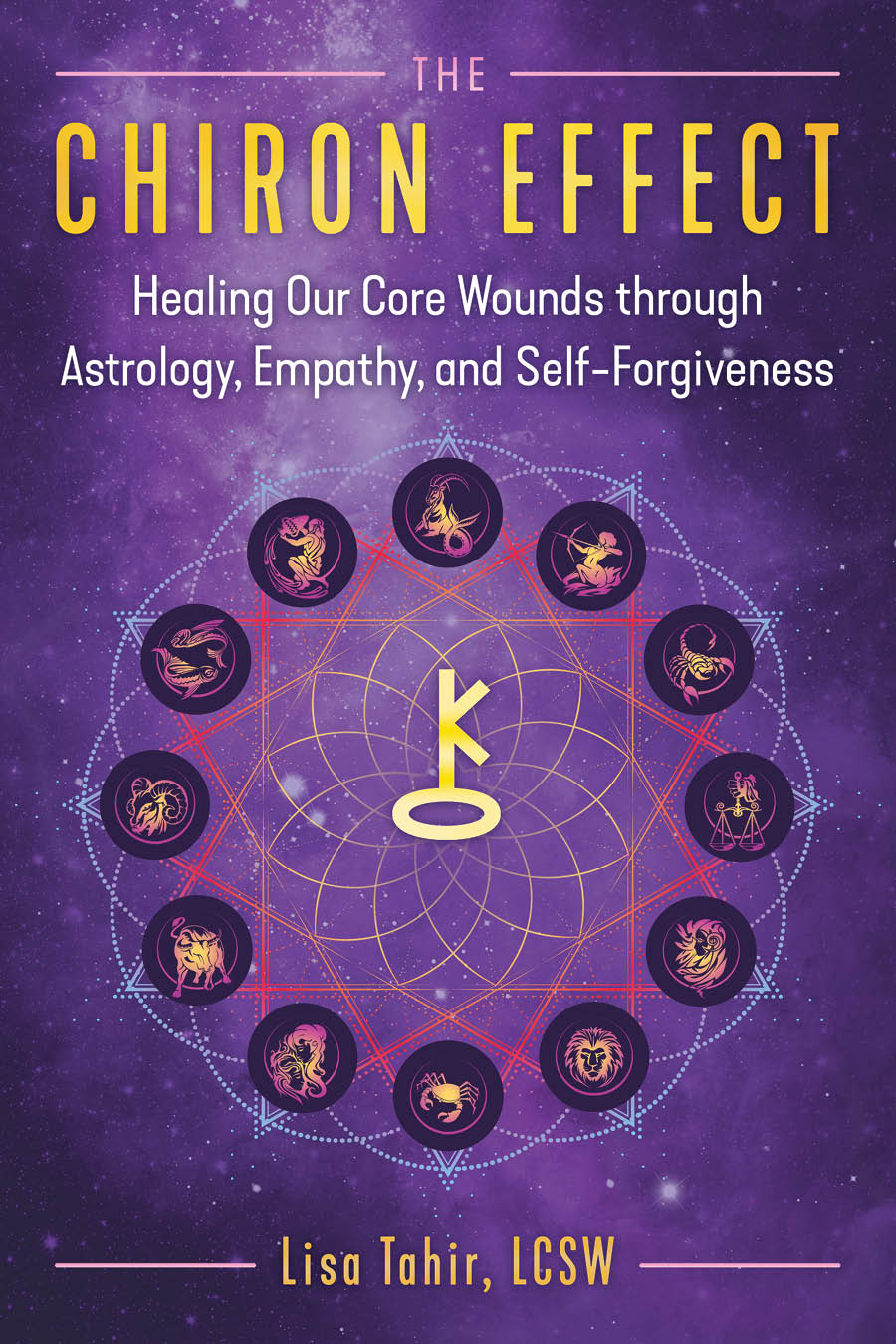
If you would like to explore the connection between your emotional patterns and your birth chart, Lisa’s book, The Chiron Effect: Healing Our Core Wounds through Astrology, Empathy, and Self-Forgiveness, offers a compassionate introduction to her Psychoastrology® approach. The book explores twelve areas of core wounding and invites readers to use empathy and self-forgiveness as tools for healing.
You can also learn more about Lisa’s therapeutic services or schedule a session to begin a personalized process of reflection and change.
This Autumn Equinox, consider asking yourself one simple question:
What am I ready to stop carrying, so I can make more room for the life I am becoming?