





Anxiety can feel like an unwelcome visitor, one who arrives without warning, rearranges your thoughts, tightens your body, and makes the future seem dangerous. You may find yourself asking, Why am I feeling this way? What is wrong with me? How do I make it stop?
What if anxiety is not proof that you are broken?
What if it is a messenger?
This does not mean anxiety is “all in your head,” something you should simply accept, or a spiritual failure you need to overcome. Anxiety is a real experience that can affect your nervous system, relationships, sleep, work, and sense of self. It deserves compassionate treatment and, when needed, professional support.
At the same time, anxiety may carry information. Through the lens of psychology, spirituality, and Psychoastrology®, we can become curious about what that information might be asking us to notice.
Anxiety Is an Alarm, Not a Character Flaw
Psychologically, anxiety is often connected to the body’s threat-response system. Your nervous system may detect danger even when you are not in immediate physical danger. A difficult conversation, a past trauma, uncertainty at work, relationship tension, or fear of rejection can activate the same protective responses that once helped you survive.
Your heart may race. Your breathing may become shallow. Your thoughts may move quickly toward worst-case scenarios. You may avoid situations, over-prepare, seek reassurance, or try to control every possible outcome.
These responses are not evidence of weakness. They are often attempts to create safety.
However, an alarm can become overly sensitive. When that happens, the goal is not to shame yourself for having anxiety. The goal is to help your body recognize safety again while exploring the emotional patterns beneath the alarm.
This is where the conversation around anxiety and spirituality can become meaningful. Spirituality, when approached with care and without blame, can invite questions such as:
- What feels out of alignment in my life?
- Where am I abandoning my needs to please others?
- What truth have I been avoiding?
- What part of me needs compassion, rest, protection, or expression?
- What would it mean to trust myself one small step at a time?
Spiritual reflection should complement, not replace, mental health care. It can offer meaning while psychology helps us understand patterns, regulate the nervous system, and make practical changes.

What Psychoastrology® Can Add to the Conversation
Psychoastrology® is an integrative approach that brings psychology, astrology, spirituality, and personal responsibility into dialogue. In Lisa Tahir’s work, astrology is used symbolically, not as a prediction of fixed outcomes, but as a language for exploring patterns, vulnerabilities, and possibilities.
A birth chart cannot diagnose an anxiety disorder. It cannot tell you what will happen or remove your responsibility for your choices. But it may provide a reflective framework for naming themes that already exist in your lived experience.
One of the central symbols in Lisa’s work is Chiron, often known as the “wounded healer.” In The Chiron Effect, Chiron represents a core area of vulnerability that may influence how we see ourselves, connect with others, and respond to pain.
A Chiron theme might bring up questions about belonging, confidence, intimacy, visibility, self-worth, or feeling safe enough to take up space. When these themes are activated, anxiety may appear as a protective strategy:
- “If I do everything perfectly, I cannot be criticized.”
- “If I stay independent, no one can disappoint me.”
- “If I anticipate every problem, I can prevent loss.”
- “If I keep quiet, I will not be rejected.”
- “If I remain useful, I will continue to be valued.”
These beliefs often develop for understandable reasons. At some point, they may have helped you cope. Yet what protects you in one season of life can restrict you in another.
Psychoastrology® encourages you to notice the orbit you have been living within, and then consider whether you are ready to choose a new one.
A Four-Step Practice for Listening to Anxiety
1. Regulate before you interpret
When anxiety is intense, begin with the body. You do not have to solve your entire life while your nervous system is activated.
Try this simple grounding practice:
- Place both feet on the floor.
- Look around and name five things you see.
- Notice four things you can physically feel.
- Listen for three sounds.
- Identify two scents.
- Take one slow breath and notice its movement.
You might also place a hand over your heart and say, “This is anxiety. My body is trying to protect me. I can take one moment at a time.”
Grounding does not deny the message. It helps you become steady enough to hear it.
2. Name the trigger without judging yourself
Ask, “What happened just before I felt anxious?”
The trigger may be obvious, such as receiving difficult news. Sometimes it is more subtle: a tone of voice, a delayed text message, a social-media comparison, a financial concern, or the thought of disappointing someone.
Write down:
- What happened?
- What did I immediately believe it meant?
- What emotion did I feel?
- Where did I feel it in my body?
- What did I want to do next?
This process creates space between the event and your interpretation. It also helps reveal recurring patterns.
3. Ask what the anxiety needs
Instead of asking only, “How do I get rid of this feeling?” try asking, “What is this feeling trying to protect?”
The answer may be a need for:
- Rest
- A boundary
- Reassurance
- Honest communication
- Grief
- Support
- Greater authenticity
- A return to your values
- Professional care
Anxiety does not always point to a spiritual lesson. Sometimes it points to sleep deprivation, trauma, depression, substance use, an unsafe relationship, or a health concern. Listening wisely means considering the full picture.
4. Choose one aligned action
Insight becomes healing when it leads to a compassionate action.
That action might be sending a truthful message, postponing a nonessential obligation, making a therapy appointment, eating a nourishing meal, taking a walk, turning off your phone, or telling someone you trust what is really happening.
You do not need to feel completely confident before taking a healthy step. Peace often develops through repeated experiences of showing yourself that you can respond differently.

Anxiety and Spirituality Without Spiritual Bypassing
Spirituality can be a source of comfort, connection, and meaning. Meditation, prayer, time in nature, breathwork, journaling, ritual, and reflection may help you reconnect with yourself.
But spiritual tools should not be used to bypass emotional reality.
You do not have to call anxiety “a gift” while you are suffering. You do not have to believe that every painful experience happened for a reason. You do not have to forgive someone before you feel safe. You do not have to maintain positive thoughts when what you need is support, grief, anger, or a firm boundary.
A compassionate spiritual path makes room for the whole human experience. It allows you to be hopeful and tired, grateful and grieving, insightful and confused. Healing is not about becoming unaffected. It is about becoming more present, supported, and able to choose.
Explore Your Core Wounds with The Chiron Effect
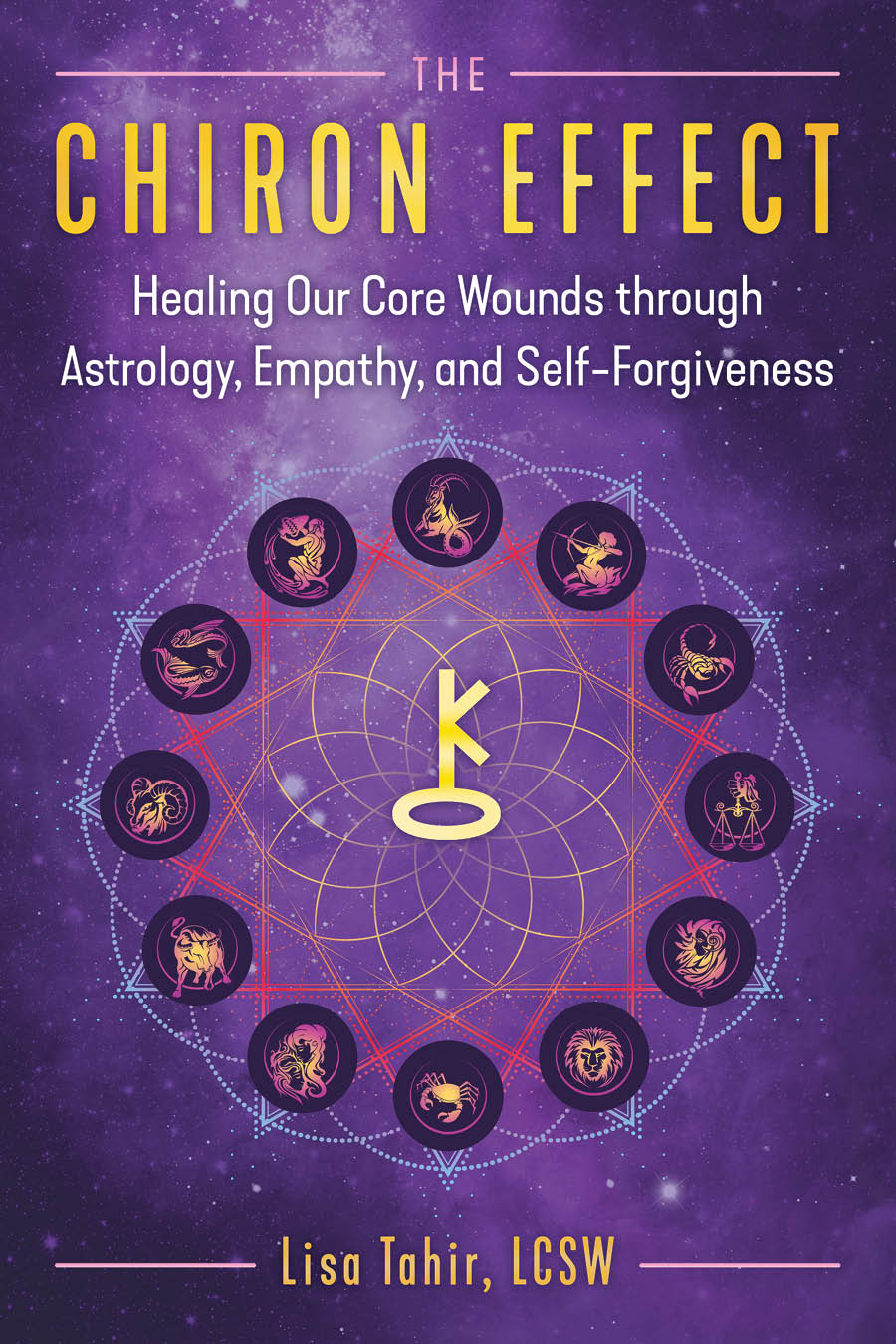
If you are curious about the connection between astrology, empathy, and emotional healing, Lisa Tahir’s book, The Chiron Effect: Healing Our Core Wounds through Astrology, Empathy, and Self-Forgiveness, offers a place to begin.
The book explores twelve areas of core wounding associated with Chiron’s placement in the birth chart. Its intention is not to label you or define your destiny. Rather, it invites you to recognize unconscious patterns, meet yourself with empathy, and take responsibility for creating change.
You can also learn more about therapy services that blend traditional psychotherapy with integrative approaches, or explore virtual therapy options.
When Anxiety Needs More Support
Please reach out to a qualified mental health professional if anxiety is interfering with your ability to sleep, work, connect, or care for yourself. Support is especially important when anxiety includes frequent panic attacks, trauma symptoms, substance use, hopelessness, or thoughts of self-harm.
If you are in immediate danger or thinking about harming yourself, contact emergency services or call or text 988 in the United States and Canada for immediate crisis support.
You do not have to interpret every message alone.
For further conversations about emotional health, spirituality, mindset, and transformation, listen to Lisa’s All Things Therapy podcast. And remember: your anxiety may be asking for attention, but it does not get to define your identity.
You are more than your symptoms. More than your wounds. More than the patterns you learned to survive.
With compassion, support, and honest reflection, you can listen to what anxiety is saying: and choose a path toward greater safety, self-trust, and peace.