






Mercury retrograde has a way of becoming the scapegoat for everything: the forgotten password, the awkward text, the delayed flight, the tense conversation, or the sudden return of an old relationship pattern.
You may hear people say, “Mercury is retrograde, so of course I feel anxious.” And sometimes, that statement feels emotionally true. During these periods, many of us become more aware of communication issues, unfinished business, technology frustrations, and the parts of life that need a second look.
But here is the grounding truth: Mercury retrograde is an apparent change in Mercury’s motion as viewed from Earth. There is no established scientific evidence that this astronomical event directly causes anxiety, depression, relationship conflict, or other mental health symptoms. Research and clinical perspectives generally point instead to stress, expectation, confirmation bias, and the power of shared cultural narratives.
That does not mean your experience is invalid.
If you feel more unsettled during Mercury retrograde, your feelings deserve care. You can honor the symbolic meaning of astrology without giving away your personal power or treating the planets as the cause of everything that happens.
This is where Psychoastrology® can offer a meaningful bridge between psychology, spirituality, and personal transformation.
Mercury Retrograde as a Pause, Not a Punishment
Astrologically, Mercury is associated with communication, thought processes, learning, travel, technology, and decision-making. When Mercury appears to move backward, many people use the period as an invitation to review, reflect, repair, and reconsider.
Psychologically, this can be helpful when it encourages mindful self-observation rather than fear.
Instead of asking, “What bad thing is Mercury retrograde going to cause?” try asking:
- What needs my attention right now?
- Where am I rushing instead of responding thoughtfully?
- What conversation have I been avoiding?
- What belief about myself keeps repeating?
- What unfinished emotional business is ready to be understood?
This shift moves you from fatalism to agency. You are no longer waiting for cosmic chaos to happen to you. You are using a familiar symbolic cycle to become more intentional.
Why It Can Feel So Real
Beliefs influence the way we interpret our experiences. If you expect Mercury retrograde to bring confusion, you may become more vigilant for mistakes or miscommunication. A delayed email might feel more significant. A forgotten appointment may seem like proof that something is “off.” This is sometimes described as an expectation or nocebo effect: anticipating difficulty can increase distress and shape what you notice.
Confirmation bias can play a role, too. We tend to remember events that confirm what we already believe and overlook similar events that happen at other times.
Still, the emotional reaction itself is real. Stress is stress, whether it comes from a work deadline, relationship uncertainty, poor sleep, financial pressure, or an astrological story that has captured your attention.
A compassionate response sounds like this:
“Mercury retrograde may not be causing my anxiety, but I notice that I am anxious. What support, structure, or healing do I need today?”
That question puts your well-being back at the center.

A Psychoastrology® Approach to Mental Health
Psychoastrology® explores the intersection of your psychological patterns and astrological chart. It is not a replacement for psychotherapy, medical care, or evidence-based treatment. Rather, it can serve as a reflective language for exploring the emotional themes that shape your choices, relationships, self-image, and healing journey.
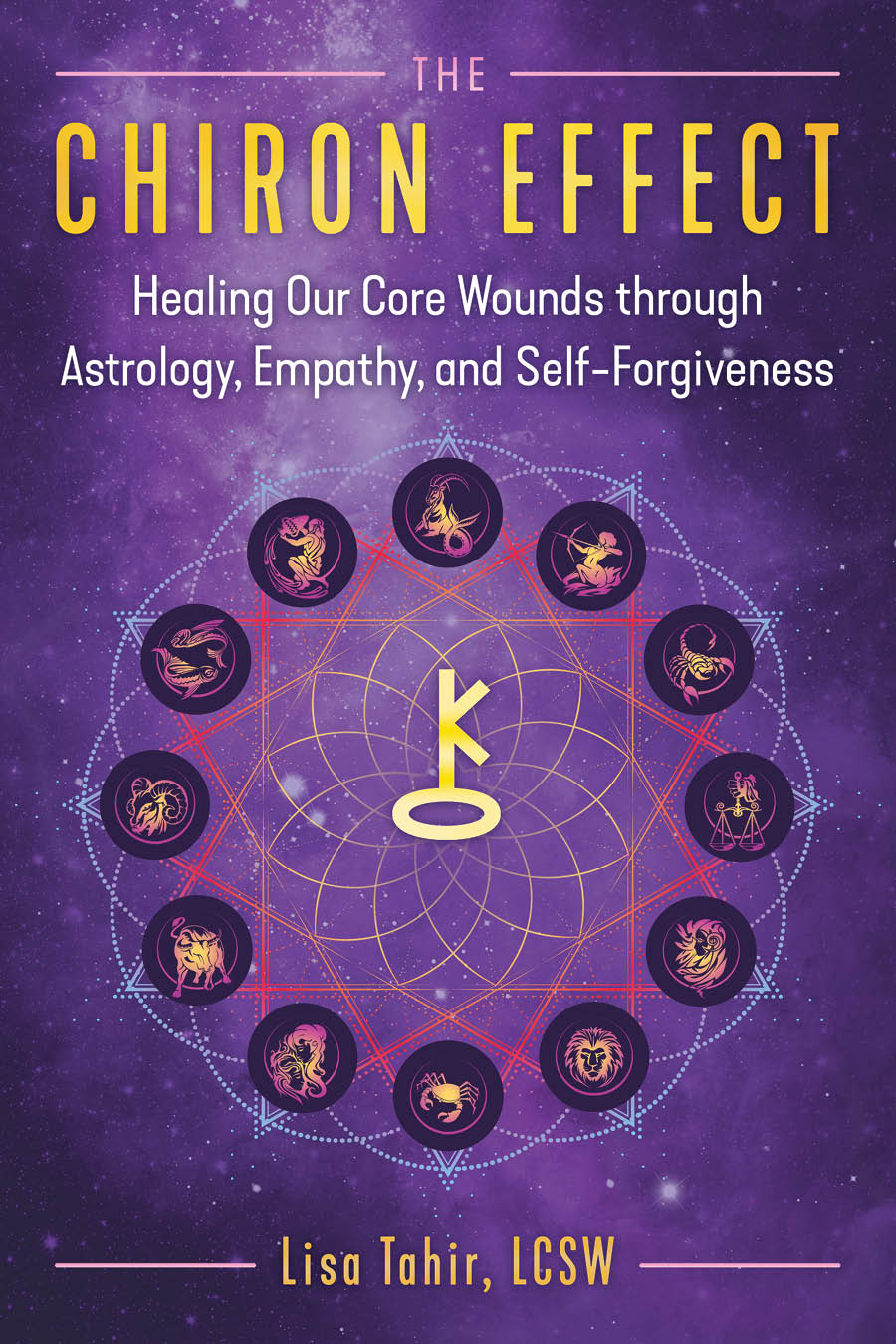
In Lisa Tahir’s work, Chiron, the “wounded healer” archetype, is used as a map for understanding core areas of vulnerability and potential growth. Her book, The Chiron Effect: Healing Our Core Wounds through Astrology, Empathy, and Self-Forgiveness, explores how recurring emotional patterns may point toward places that need compassion and conscious transformation.
During Mercury retrograde, you might use this lens to notice how old wounds influence communication.
For example:
- A fear of rejection may cause you to overanalyze someone’s silence.
- A wound around self-worth may make constructive feedback feel like personal criticism.
- An abandonment fear may lead you to seek constant reassurance.
- A history of being misunderstood may cause you to shut down before explaining yourself.
- A desire to avoid conflict may keep you from expressing an important boundary.
The goal is not to blame your chart, your past, or another person. The goal is to develop enough awareness to choose a new response.
Five Ways to Turn Mercury Retrograde Into Self-Insight
1. Create a “pause before responding” practice
Before replying to a difficult text or email, take three slow breaths. Notice what is happening in your body. Is your jaw tight? Is your chest constricted? Are you feeling the urge to defend, withdraw, or attack?
Then ask:
“What do I want this communication to create?”
You may still need to be direct. Pausing does not mean becoming passive. It gives your nervous system a moment to move out of reactivity so your words reflect your values.
2. Keep a trigger log
When something activates you, write down five details:
- What happened?
- What did I feel?
- What story did my mind create?
- What old pattern might this resemble?
- What would a compassionate, grounded response look like?
This practice helps separate facts from interpretations. It also allows you to identify patterns in your work, relationships, and self-talk.
You can learn more about creating a supportive mental health routine in this guide to integrating Psychoastrology® with daily self-care.
3. Review your boundaries and commitments
Mercury retrograde is often associated with reviewing rather than rushing ahead. Use that symbolism to look at your calendar, workload, and emotional commitments.
Ask yourself:
- Where am I overextending?
- Which responsibilities are truly mine?
- What do I need to renegotiate?
- Am I saying yes out of desire or fear?
- What would create better work/life balance?
A boundary is not a punishment or a rejection of someone else. It is information about what allows you to remain emotionally and physically well.
4. Practice mindful technology use
If technology frustrations intensify your stress, create small points of intentionality. Back up important files. Double-check dates and addresses. Leave extra time for travel. Before checking your phone in the morning, take a few minutes to notice your thoughts and set an intention for the day.
You might say:
“I can respond to what is urgent without making everything an emergency.”
Reducing doom-scrolling and fear-based astrology content can also help. If a social media post leaves you feeling doomed, powerless, or afraid to make ordinary decisions, it may be time to step back.
5. Offer empathy to the part of you that is struggling
Many of us respond to emotional pain with criticism. We think we should be “over it” by now. We judge ourselves for repeating a relationship pattern, feeling insecure, or becoming overwhelmed.
Psychoastrology® invites a different response: curiosity and self-forgiveness.
Instead of asking, “What is wrong with me?” ask:
“What happened to me, and what is this part of me trying to protect?”
This does not excuse harmful behavior. It creates the compassion necessary to change it.
When Reflection Needs Professional Support
Self-reflection can be powerful, but you do not have to navigate intense symptoms alone. If anxiety, depression, trauma responses, substance use, relationship distress, or sleep disruption is persistent or interfering with your daily life, consider reaching out to a qualified mental health professional.
Astrology should never be used to dismiss symptoms, delay treatment, or explain away a crisis. If you are experiencing thoughts of harming yourself or someone else, contact emergency services or a crisis resource in your area immediately.
Therapy can help you understand the psychological roots of your reactions while building practical skills for emotional regulation, communication, boundaries, and resilience. Lisa offers personalized sessions for adolescents, adults, and couples by phone, FaceTime, and Zoom, incorporating traditional therapeutic approaches alongside meditation, mindset work, spirituality, energy principles, and intuitive techniques.
You Are More Than Any Transit
Mercury retrograde does not define your future. It does not make you destined for conflict, failure, or confusion. At most, it can become a symbolic reminder to slow down and listen more carefully: to your thoughts, your body, your relationships, and your deeper needs.
Your chart is not a sentence. Your history is not a life sentence. A trigger is not a command.
You have the ability to pause, reflect, repair, ask for support, and choose differently. That is the heart of personal transformation: not becoming perfect, but becoming more conscious and compassionate in the moments when old patterns appear.
If you are curious about exploring your core wounds and healing patterns, begin with Lisa Tahir’s book, The Chiron Effect. You can also schedule a therapy session to receive individualized support rooted in psychology, spirituality, empathy, and self-forgiveness.
Mercury may appear to move backward: but your healing can continue moving forward.