





Interviews and Publications

The Autumn Equinox: A Psychoastrology® + Psychology Ritual for Letting Go and Welcoming Balance
As the light begins to change and the days gradually grow shorter, the Autumn Equinox invites us to pause. It is a natural threshold, a moment between seasons that can help us reflect on what we have cultivated, what we have outgrown, and what we are ready to carry forward.
In 2026, the Autumn Equinox arrives on September 22 in the evening across much of North America, with the exact astronomical moment occurring on September 23 at 00:05 UTC. In Western astrology, this is also when the Sun enters Libra, a sign traditionally associated with balance, relationships, harmony, fairness, and conscious choice.
From a psychological perspective, seasonal transitions can be meaningful checkpoints. They give us an opportunity to slow down, notice our internal experience, and make small adjustments before stress, anxiety, or emotional exhaustion become overwhelming.
From a Psychoastrology® perspective, the equinox offers a symbolic doorway into personal transformation. We can use the language of astrology not as a replacement for mental health care, but as a reflective tool, one that helps us ask better questions about our patterns, relationships, and deeper needs.
Why Seasonal Transitions Can Affect Mental Health
Changes in daylight, temperature, schedules, and social rhythms can influence sleep, motivation, mood, and energy. Some people experience a noticeable seasonal shift, while others simply feel more introspective, tired, or emotionally tender as summer comes to an end.
If you notice persistent sadness, significant anxiety, changes in sleep or appetite, hopelessness, or difficulty functioning, please consider reaching out to a qualified mental health professional. Seasonal reflection can support your well-being, but it should not replace therapy or medical care.
The equinox can be especially helpful because it gives us a structure for noticing what is happening within us. Instead of asking, “What is wrong with me?” we can gently ask:
- What is changing in my life right now?
- What am I trying to hold together that may need to be rebalanced?
- Where am I giving more than I am receiving?
- What does my body seem to be asking for?
- What would a more sustainable rhythm look like?
These questions connect the symbolic themes of astrology with practical mental health care.
The Libra Invitation: Balance Without Perfection
Libra is often associated with balance, but balance does not mean every part of life receives equal attention every day. Some seasons require more work. Other seasons require rest, healing, caregiving, or rebuilding.
Healthy balance is flexible. It is the ability to respond to your needs with awareness rather than living according to rigid expectations.
For example, work/life balance may not mean leaving work at the same time every day. It may mean creating a transition ritual between work and home, setting a boundary around email, or acknowledging when your workload is no longer sustainable.
In relationships, balance may mean learning to compromise without abandoning yourself. It can mean listening more deeply while also communicating your own needs. It may involve releasing the belief that keeping the peace requires you to remain silent.
This is where psychology and astrology can complement one another. Libra reminds us to examine our relationships and choices. Psychology helps us identify the beliefs, attachment patterns, fears, and behaviors that may be shaping those choices.
A Psychoastrology® Ritual for the Autumn Equinox
You do not need special tools or a perfect environment for this ritual. You can complete it in 15 to 30 minutes with a journal, a quiet space, and a willingness to be honest with yourself.
If you are in the Southern Hemisphere, the September equinox marks spring rather than autumn. You can adapt the ritual to focus on what you are preparing to grow, begin, or welcome.
1. Arrive in your body
Before reflecting, help your nervous system feel supported.
Place both feet on the floor. Notice the surface beneath you. Take several slow breaths without forcing them to be deep. Look around and name five things you see, four things you feel, three things you hear, two things you smell, and one thing you appreciate in this moment.
This grounding practice can be useful when anxiety and spirituality intersect. Spiritual reflection feels more supportive when it includes the body, not only the mind.
2. Name what you have harvested
The word “harvest” does not only refer to accomplishments. You may have harvested a boundary, a hard-earned insight, a new friendship, a period of sobriety, a greater awareness of your emotions, or the courage to ask for help.
Write down three things you have learned or developed during the past several months.
Try completing these sentences:
- I am proud that I…
- I understand myself more clearly when…
- A strength I have practiced is…
- Something I want to continue nurturing is…
This exercise supports values clarification and self-recognition. When we only focus on what remains unfinished, we can lose sight of the evidence that we are already changing.

3. Identify what you are ready to release
Letting go is not the same as pretending something did not matter. Sometimes we release an outdated role, a self-critical belief, an unhealthy coping strategy, or the expectation that another person will become someone they have shown us they are not ready to be.
Write down one pattern, commitment, or belief that is taking more energy than it gives back.
You might be ready to release:
- The belief that rest must be earned
- Saying yes to avoid disappointing people
- Comparing your healing to someone else’s timeline
- Replaying a conversation you cannot change
- Using busyness to avoid difficult feelings
- Taking responsibility for another adult’s emotions
You do not have to release everything at once. Choose one small, specific action that represents a new direction. You might mute notifications after a certain hour, schedule a needed conversation, attend a support meeting, or set aside ten minutes for quiet each morning.
4. Explore your Chiron themes
In Lisa Tahir’s Psychoastrology®, Chiron represents a place of vulnerability that can become a doorway to healing. The goal is not to label yourself or become trapped in a story about being wounded. Instead, Chiron can help you notice where painful patterns repeat and where empathy, self-forgiveness, and personal responsibility may create a new choice.
Ask yourself:
- Where do I feel most sensitive or easily triggered?
- What pattern seems to repeat in my relationships, work, or self-image?
- What protective strategy once helped me survive but may no longer serve me?
- What would compassion look like in this area?
- What support would help me respond differently?
These questions can be explored through therapy, journaling, meditation, or a personalized Psychoastrology® session. Astrology may provide a symbolic map, while psychological work helps you build the skills and support needed to navigate the terrain.
5. Create one balance commitment
Choose one commitment for the coming season. Make it realistic enough that you can practice it even during a difficult week.
Examples include:
- I will take a short walk or spend time outdoors several mornings each week.
- I will protect a consistent sleep and wake schedule.
- I will pause before responding when I feel emotionally activated.
- I will ask for help before I reach a crisis point.
- I will schedule time for creativity, connection, or rest.
- I will speak to myself with the same compassion I offer someone I love.
Behavioral change becomes more sustainable when it is specific and measurable. “I will take better care of myself” is meaningful, but “I will take a 15-minute walk after lunch on Monday, Wednesday, and Friday” gives your intention a shape.
Making Space for Light, Rest, and Support
As daylight decreases, small habits can support emotional regulation. When possible, spend time outdoors earlier in the day. Keep your sleep routine consistent. Move your body in ways that feel accessible rather than punitive. Notice whether alcohol, substances, excessive screen time, or chronic overwork are affecting your mood and nervous system.
For some people, fall brings a recurrence of seasonal depression or intensified anxiety. You do not have to wait until symptoms become severe to seek support. A therapist can help you understand patterns, process emotions, and create a plan that fits your life.
Lisa Tahir offers virtual therapy through phone, FaceTime, and Zoom, making holistic therapy online accessible to clients who want an approach that integrates psychology, spirituality, meditation, mindset, and intuitive practices.

A Final Reflection for the Equinox
Balance is not a destination you reach once and never lose. It is a relationship with yourself that you practice again and again.
Some days, balance may look like taking action. Other days, it may look like resting, grieving, asking for help, or admitting that something is no longer working. Personal transformation is rarely a straight line. It is often a process of noticing, choosing, repairing, and choosing again.
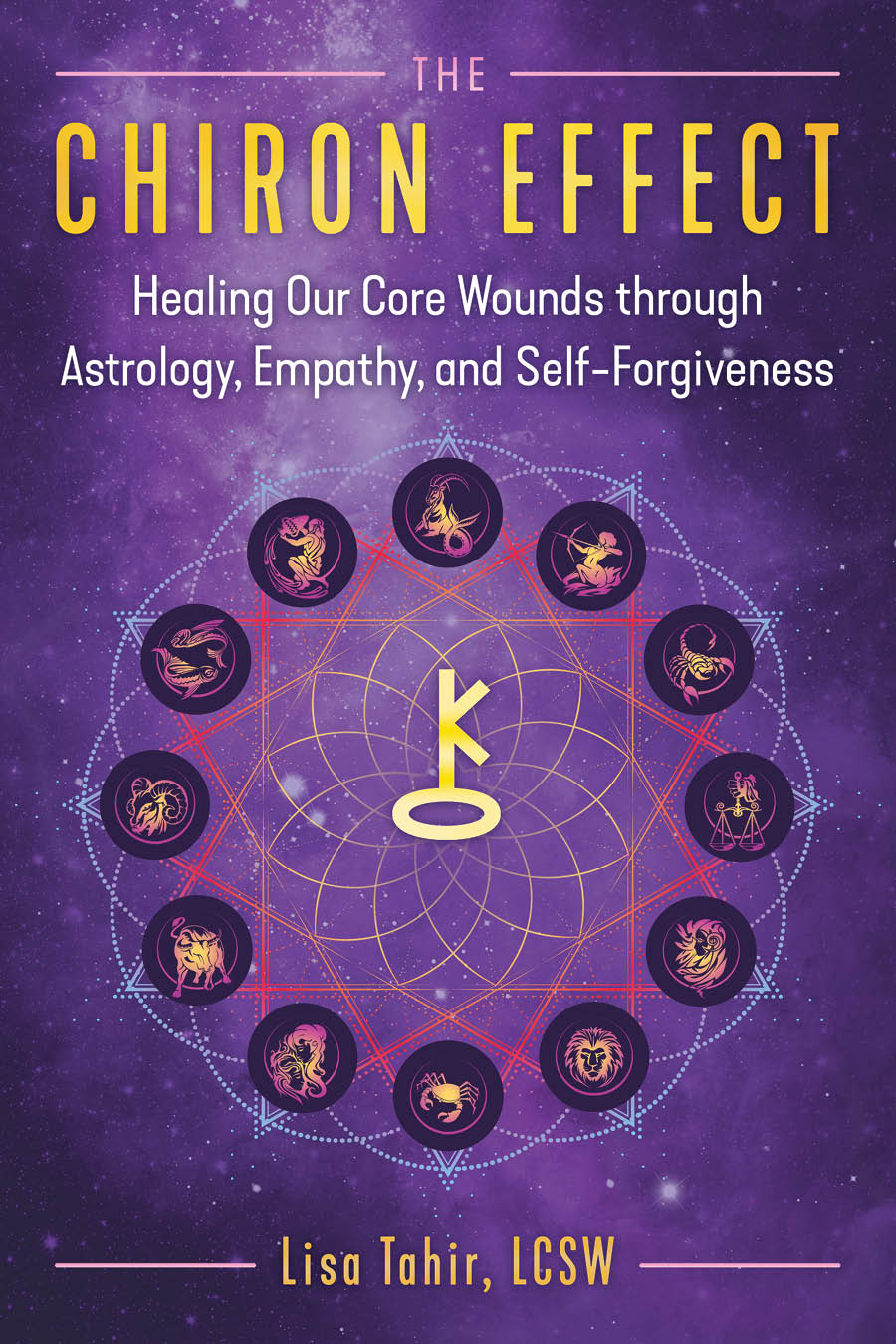
If you would like to explore the connection between your emotional patterns and your birth chart, Lisa’s book, The Chiron Effect: Healing Our Core Wounds through Astrology, Empathy, and Self-Forgiveness, offers a compassionate introduction to her Psychoastrology® approach. The book explores twelve areas of core wounding and invites readers to use empathy and self-forgiveness as tools for healing.
You can also learn more about Lisa’s therapeutic services or schedule a session to begin a personalized process of reflection and change.
This Autumn Equinox, consider asking yourself one simple question:
What am I ready to stop carrying, so I can make more room for the life I am becoming?

The Radical Act of Rest: A Psychoastrology® + Psychology Path to Replenishment
What if rest were not something you had to earn?
Many of us were taught, directly or indirectly, that productivity is proof of our value. We rest after the inbox is empty, the house is clean, the project is finished, the family is cared for, and everyone else is okay.
But the list is never truly finished.
Rest becomes a radical act when we stop treating it as a reward and begin honoring it as a human need. From a psychological perspective, rest helps the nervous system move out of chronic activation and into a state where repair, reflection, creativity, and connection become possible. From a spiritual perspective, rest is a sacred pause, a return to the inner self beneath the noise.
And through Psychoastrology®, we can explore the unique ways our emotional patterns, energy rhythms, and beliefs about worth may influence how we rest, or resist it.
Why Rest Is a Mental Health Practice
Your body is constantly receiving information about whether you are safe, pressured, connected, or overwhelmed. When demands remain high for too long, the nervous system may become accustomed to operating in “go” mode.
You might notice:
- Difficulty sitting still, even when exhausted
- Trouble sleeping or waking up feeling restored
- Irritability, anxiety, or emotional numbness
- Muscle tension, headaches, or digestive discomfort
- The feeling that you are always behind
- Guilt whenever you take time for yourself
Rest does not magically resolve every source of stress. If your workload, relationship dynamics, or living environment continue to overwhelm you, a weekend away may not be enough. Burnout prevention and recovery often require both genuine rest and meaningful changes to the conditions creating depletion.
Still, intentional rest can help interrupt the stress cycle. Slow breathing, meditation, gentle movement, time in nature, and quiet reflection can support the body’s relaxation response. The goal is not to force yourself to feel peaceful. The goal is to give your body repeated experiences of slowing down without punishment.
This matters because many people have learned to associate stillness with danger:
“If I stop, I’ll fall behind.”
“If I say no, someone will be disappointed.”
“If I am not useful, I am not worthy.”
These are not character flaws. They are beliefs and protective patterns that can be explored with compassion.
The Myth That Productivity Equals Worth
Productivity can be meaningful. Work can provide purpose, structure, creativity, and connection. The problem begins when your output becomes the measuring stick for your humanity.
When productivity and self-worth become fused, rest can feel undeserved. You may find yourself negotiating with your own exhaustion:
- “I’ll rest after I finish one more thing.”
- “Other people have it harder.”
- “I should be able to handle this.”
- “Taking a break is selfish.”
- “I’m only valuable when I’m accomplishing something.”
A more healing belief might sound like this:
My worth is inherent. Rest supports my ability to live, love, work, and choose from a grounded place, but it does not determine whether I deserve care.
This is a powerful shift in personal transformation therapy. Rather than trying to become a more efficient version of an exhausted self, you begin asking what your mind, body, and spirit are communicating.
A Psychoastrology® Lens on the Sacred Pause
Psychoastrology® offers a symbolic language for exploring inner patterns. It does not replace mental health care, and astrology is not a deterministic diagnosis. Instead, it can provide meaningful prompts for self-reflection, helping you notice where you may overextend, over-function, or disconnect from your needs.
The Moon, for example, is often associated with emotional nourishment, regulation, comfort, and instinctive needs. Reflecting on your Moon sign or house can invite questions such as:
- What helps me feel emotionally safe?
- Do I need solitude, connection, beauty, movement, or structure to replenish?
- Where do I seek comfort when I am overwhelmed?
- What kind of rest do I resist the most?
You might also consider your natural energy rhythms. Are you more focused in the morning or evening? Do you need quiet after social interaction? Do you experience creative surges followed by a need to withdraw? Do you feel restored by people, or by being alone?
These are not inconveniences to overcome. They are information.
Virgo Season: The Drive to Do It Right
Virgo season often brings attention to routines, health, organization, service, and improvement. This energy can be deeply supportive. It can help us create order, care for our bodies, and tend to practical details.
But the shadow side of Virgo energy can sound like:
- “I should be doing more.”
- “This could be better.”
- “I need to fix myself.”
- “I can rest once everything is organized.”
Virgo’s medicine is not perfection. It is compassionate stewardship.
A healthy Virgo-inspired approach to rest might include a consistent bedtime, a nourishing meal, a walk, or a simple evening ritual. The key is to let structure support you, not become another standard you can fail.
Libra Season: The Balance We Cannot Create Alone
As Virgo season moves toward Libra season, we are invited to consider balance, relationship, beauty, reciprocity, and harmony.
Libra reminds us that replenishment may come through connection. A supportive conversation, time with a trusted friend, music, art, a peaceful environment, or a more equitable division of responsibilities can all be forms of rest.
Sometimes the most restorative practice is not a solo meditation. It is asking someone to help. It is telling the truth about what you can and cannot carry. It is allowing relationships to become more mutual.
Rest can be relational.

Saturn and the Healing Power of Limits
In astrology, Saturn is often associated with structure, time, responsibility, maturity, and limits. Psychologically, healthy limits are essential to sustainable energy.
A Saturnian approach to rest may look like:
- Setting a work cut-off time
- Turning off notifications
- Declining an invitation without overexplaining
- Scheduling white space before your calendar fills
- Protecting your sleep
- Choosing not to make major decisions while dysregulated
- Letting another person experience their own discomfort instead of rushing to fix it
A boundary is not a rejection of love. It is a container that allows love, work, creativity, and responsibility to remain sustainable.
Saturn teaches that “no” is not always a wall. Sometimes it is a doorway into a healthier way of living.
Try This 10-Minute Inner Pause
You do not need an hour, a retreat, or a perfectly quiet home to begin. Try this brief practice once a day for one week.
Minute 1: Arrive
Place both feet on the floor or allow your body to settle into a chair. Notice where you are. Let your eyes soften and look around the room.
Silently say:
“In this moment, I am allowed to pause.”
Minutes 2–4: Breathe and notice
Take a slow breath in and a longer breath out. Do not force deep breathing if it feels uncomfortable. Simply allow your exhale to lengthen naturally.
Notice:
- Your jaw
- Your shoulders
- Your belly
- Your hands
- The pace of your thoughts
You are not trying to empty your mind. You are practicing being present with yourself.
Minutes 5–7: Ask what is needed
Place a hand over your heart or another area that feels grounding. Ask:
“What would replenish me today: not just make me more productive?”
The answer may be sleep, food, movement, solitude, connection, play, support, or a boundary.
Minutes 8–9: Choose one small action
Select something realistic. Drink water. Step outside. Cancel one unnecessary task. Send a message asking for help. Take a screen-free lunch. Lie down without apologizing.
Minute 10: Close with permission
Say:
“Rest is part of my participation in life. I do not have to earn my right to be cared for.”

Reflection Prompts for Replenishment
Consider journaling with one of these questions:
- What did I learn about rest in my family or culture?
- What do I fear might happen if I slow down?
- Where do I confuse being needed with being loved?
- What signals tell me I am approaching depletion?
- Which kind of rest do I need most right now: physical, mental, emotional, social, creative, or spiritual?
- What would a sustainable week look like: not an idealized week?
- Where could I practice a compassionate Saturnian boundary?
- What does my natural energy rhythm ask me to respect?
- How might anxiety and spirituality be connected in my experience?
- What would change if I believed rest was preventive care rather than emergency repair?
If rest brings up intense anxiety, sadness, trauma responses, or shame, you do not have to navigate that alone. Therapy can offer a supportive place to understand the beliefs and experiences beneath your difficulty slowing down.
Explore a More Whole-Person Approach
At Nolatherapy, Lisa Tahir, LCSW, blends psychological insight with spirituality, mindset work, meditation, energy principles, and Psychoastrology®. In therapy, astrology may be used as a reflective tool to explore patterns, core wounds, relationships, emotional needs, and opportunities for personal transformation.
Lisa’s book, The Chiron Effect: Healing Our Core Wounds through Astrology, Empathy, and Self-Forgiveness, explores how Chiron can illuminate recurring patterns and vulnerable places that are ready for compassion and healing. You can also learn more about therapeutic services or explore holistic therapy online through phone, FaceTime, or Zoom sessions.
Rest is not giving up on your goals. It is giving your whole self a chance to participate in them.
You are not a machine built to produce.
You are a living, changing person with rhythms, needs, limits, dreams, and a capacity for renewal. The pause is not a detour from your healing. The pause is part of the path.


The Courage to Be Seen: A Psychoastrology® + Psychology Path to Deeper Connection
There is a particular kind of loneliness that can happen while sitting beside someone you love: you are physically close, but emotionally hidden.
Maybe you say, “I’m fine,” when you are actually disappointed. Maybe you become quiet instead of admitting you feel unimportant. Perhaps you offer criticism when what you really want is reassurance. Many of us learn to protect connection by editing ourselves: but over time, the relationship can begin to feel distant, even when nothing appears dramatically wrong.
The courage to be seen is not about revealing everything all at once. It is the gentle, intentional practice of allowing another person to know what is true inside you: your feelings, hopes, fears, needs, uncertainty, and tenderness.
This is where psychology and spirituality can meet in a meaningful way. Psychology helps us understand the patterns that shape our communication. Psychoastrology® offers another reflective lens for exploring the deeper wounds and longings that may influence those patterns.
Together, they can help us move from performing connection to experiencing it.
Why vulnerability deepens connection
Relationship psychology has long explored the link between self-disclosure and intimacy. When people share personal experiences and are met with understanding, responsiveness, and care, they often feel more emotionally connected.
The important piece is not simply telling someone something personal. It is what happens next.
Do they listen without immediately correcting you? Do they try to understand your experience? Do they respond with curiosity instead of defensiveness? Do you feel that your inner world has somewhere safe to land?
Vulnerability becomes connective when it is met with presence.
This does not mean every relationship is automatically safe for deep disclosure. Trust develops through consistent experiences of honesty, respect, and emotional care. You are allowed to move gradually and choose what feels appropriate to share. Being seen should not require abandoning your discernment or pretending that hurtful behavior is acceptable.
Instead, healthy openness sounds like:
- “I want to tell you what is really happening for me.”
- “I’m nervous to say this because I care about us.”
- “I don’t need you to fix this yet. I would love for you to listen.”
- “When that happened, I felt disconnected, and I want to find our way back to each other.”

The mid-September 2026 astrology of honest dialogue
In Western tropical astrology, the Sun is moving through Virgo in mid-September 2026. Virgo invites us to pay attention to the details of daily life: the tone of a conversation, the moment someone withdrew, the needs we have been minimizing, and the small actions that either nourish or strain connection.
This is not about analyzing yourself or your partner endlessly. It is about becoming more present with what is actually happening.
Mercury recently entered Libra, bringing a thoughtful emphasis to communication, mutuality, and the desire to understand more than one perspective. Mercury in Libra can support conversations that are less about winning and more about creating a shared language.
Venus recently entered Scorpio, adding emotional depth and honesty to questions of love, intimacy, trust, and desire. Venus in Scorpio may encourage us to move beneath surface-level harmony and ask:
- What am I afraid to reveal?
- What kind of closeness do I truly want?
- Where have I been hoping someone would read my mind?
- What truth could create more intimacy if I expressed it with care?
Astrology is not a diagnosis or a substitute for psychotherapy. It can, however, serve as a symbolic tool for reflection. These current placements offer a beautiful prompt: attend to the details, speak with fairness, and allow meaningful relationships to become more emotionally real.
The Psychoastrology® question: What is underneath your pattern?
Sometimes the difficulty is not that you do not know how to communicate. You may know exactly what you want to say: but a deeper fear interrupts.
You might fear:
- Being rejected if you ask for more affection
- Being judged if you admit you are hurt
- Appearing needy if you express a desire for reassurance
- Losing control if you let someone see your uncertainty
- Creating conflict if you name what has been bothering you
In The Chiron Effect, Lisa Tahir explores Chiron as a symbolic guide to our core areas of vulnerability. Through the lens of Psychoastrology®, recurring relationship patterns can become invitations to understand what you are protecting and what you are longing to heal.
For example, a person who repeatedly says “It doesn’t matter” may not be indifferent. They may have learned that having needs leads to disappointment. Someone who becomes highly independent during conflict may not lack love. They may have learned that relying on others feels unsafe. Someone who criticizes first may be trying to avoid the pain of feeling inadequate or unseen.
The goal is not to blame your history or reduce your personality to a birth-chart placement. The goal is to become curious about the emotional intelligence behind your habits.
Ask yourself:
“What am I trying to prevent myself from feeling right now?”
Then ask:
“What would I say if I trusted that my honest experience deserved to be heard?”

A practical path to being more honestly seen
1. Start with your internal experience
Before beginning a difficult conversation, take a moment to identify what is happening inside you. Try naming three things:
- The observable situation
- Your deeper feeling
- The connection you want
For example:
“We have barely talked this week. I feel lonely and uncertain. I want us to feel close again.”
This is more vulnerable: and more useful: than:
“You never make time for me.”
The first statement reveals your inner experience without requiring the other person to defend their character.
2. Speak from the present moment
Try to avoid building a case from every past disappointment. Choose one specific moment and describe its impact on you.
You might say:
“When you looked at your phone while I was sharing something important, I felt dismissed. I know that may not have been your intention, but I wanted you to understand how it landed for me.”
This leaves room for both truth and complexity. You can express your experience without claiming total knowledge of someone else’s intention.
3. Make a clear request
Vulnerability becomes easier to respond to when it includes a specific invitation.
Consider:
- “Could you listen for a few minutes before offering advice?”
- “Would you be willing to check in with me tonight?”
- “Can we try that conversation again?”
- “I would appreciate a hug, if you have the capacity.”
- “Can you tell me what you heard me say?”
A request gives the other person a way to participate in creating connection.
4. Practice receiving vulnerability
When someone opens up to you, resist the impulse to immediately fix, explain, or compare. Begin with acknowledgment.
You might say:
- “Thank you for trusting me with that.”
- “I can understand why that hurt.”
- “I did not realize you were carrying that.”
- “I want to hear more.”
- “Let me make sure I understand.”
You do not have to agree with every interpretation to validate that the person’s feelings are real and meaningful.
5. Begin with a small truth
You do not have to begin with your deepest pain. Practice being seen in manageable ways:
- Admit when you do not know something
- Share a small disappointment without minimizing it
- Name when you feel nervous
- Ask for clarification instead of making an assumption
- Tell someone when their support mattered to you
Small moments of authenticity can create the foundation for deeper conversations later.
Reflection prompts for this season
Consider journaling on one or two of these questions:
- What feeling do I most often disguise as irritation, silence, humor, or competence?
- What do I wish someone close to me understood about my inner world?
- What am I afraid might happen if I communicate that honestly?
- When someone shares vulnerability with me, how do I typically respond?
- What would compassionate honesty sound like in one relationship this week?
- Where could I replace “You always…” or “You never…” with “I feel…” or “I need…”?
- What does being emotionally seen mean to me: not in theory, but in everyday behavior?
You may find that the most powerful conversation begins with a sentence as simple as:
“There is something I have been holding inside, and I would like to share it with you.”
You do not have to practice alone
Learning to communicate honestly can bring up old fears and familiar relationship patterns. Therapy can offer a supportive space to slow down, understand those patterns, and practice a different way of relating.
Lisa Tahir, LCSW, provides personalized psychotherapy for individuals and couples through phone, FaceTime, and Zoom. Her integrative approach combines traditional therapy with spirituality, meditation, mindset work, intuitive techniques, and Psychoastrology®.
You can also explore couples therapy or learn more about virtual therapy sessions.
For a deeper exploration of recurring emotional patterns and the healing symbolism of Chiron, read Lisa’s book, The Chiron Effect: Healing Our Core Wounds through Astrology, Empathy and Self-Forgiveness.

Being seen is a risk: but it can also be a relief. You do not have to reveal everything perfectly. You only have to begin with what is true, speak with care, and allow connection to grow one honest moment at a time.

Seasons of the Soul: A Psychoastrology® + Psychology Guide to Embracing Change
Change rarely arrives all at once. More often, it begins quietly: a growing sense that an old routine no longer fits, a relationship is asking for greater honesty, or your work-life balance has become unsustainable.
The seasonal shift from Virgo to Libra offers a meaningful backdrop for exploring these transitions. Virgo invites us to organize, tend, repair, and harvest the lessons of what we have lived. Libra asks us to create balance, reconsider our relationships, and make room for a new way of being with ourselves and others.
Through the lens of Psychoastrology®, astrology can become a reflective language for understanding patterns, emotions, and inner experiences. Psychology gives us practical tools for working with those experiences. Together, they can support a compassionate approach to personal transformation, one that honors both the soul and the nervous system.
Virgo to Libra: From Inner Order to Relational Balance
Virgo is often associated with discernment, healing, service, and the details of daily life. This energy can encourage us to ask:
- What needs my attention?
- Which habits are supporting my well-being?
- What have I learned from this recent chapter?
- Where am I being helpful, and where am I overextending myself?
Virgo energy can be grounding, especially during uncertain times. Creating structure around sleep, meals, movement, finances, or work can help us feel safer while life is changing.
But Virgo’s desire to improve can also become perfectionism. We may begin believing that we need to fix ourselves before we are allowed to rest, receive love, or move forward. We may confuse self-awareness with self-criticism.
As the season moves toward Libra, the focus expands. We begin considering not only how we are functioning individually, but also how we are relating, to our partners, families, colleagues, communities, and ourselves.
Libra reminds us that balance is not the same as keeping everyone happy. True balance includes reciprocity, honest communication, healthy boundaries, and the freedom to remain connected without abandoning your own needs.

Why Transitions Can Feel So Emotional
Even positive change can activate stress. A new job, relationship, move, recovery milestone, or personal breakthrough may bring excitement and grief at the same time.
Transitions often ask us to release:
- An identity we have outgrown
- A familiar but unhealthy coping pattern
- A relationship dynamic that no longer feels mutual
- A definition of success based on external approval
- The belief that we must have everything figured out
Our minds often prefer predictability, even when the predictable situation is painful. When the future is unclear, the nervous system may respond with anxiety, irritability, fatigue, overthinking, or a strong desire to control details.
This does not mean you are doing change incorrectly. It means your system is trying to protect you.
A compassionate approach begins by noticing what is happening without judging it. Instead of saying, “Why am I struggling with this?” try asking, “What is this part of me afraid might happen?” That question can create space for understanding rather than shame.
A Practical Virgo-to-Libra Transition Practice
You do not need to change your entire life to begin feeling more centered. Start with small, consistent actions that support both structure and flexibility.
1. Keep three grounding anchors
During transition, choose three simple routines that help you feel connected to yourself. These might include:
- Waking and going to bed at consistent times
- Eating one nourishing meal without multitasking
- Taking a short walk or practicing gentle movement
- Spending five minutes in meditation or quiet reflection
- Checking in with your emotions before opening your phone
Think of these anchors as supportive containers, not rigid rules. If you miss one, you have not failed. You are simply invited to begin again.
2. Make a “harvest” list
Virgo season encourages reflection on what you have cultivated. Write down five things you are carrying forward from this chapter.
They might include:
- A boundary you learned to set
- A skill you developed
- A difficult truth you are now able to acknowledge
- A relationship that showed up for you
- A deeper understanding of what you need
This practice helps your mind recognize that even challenging seasons can produce wisdom.
3. Identify what you are ready to release
Release does not always mean ending something dramatically. Sometimes it means changing your relationship to it.
You may be ready to release:
- The need to explain yourself to everyone
- The belief that rest must be earned
- A commitment that consistently drains you
- Self-talk that keeps you small
- The expectation that healing should happen on a specific timeline
Choose one item and write: “I am willing to loosen my attachment to ______.” Notice what feelings arise. You do not have to force closure. Awareness is already a form of movement.
4. Create a balance map
On a piece of paper, draw four sections: Self, Work, Relationships, and Rest. Give each area a number from 1 to 10 based on how balanced it feels right now.
Then ask:
- Where am I giving more than I am receiving?
- Where am I avoiding a necessary conversation?
- Which area needs a small adjustment rather than a complete overhaul?
- What is one action I can take this week?
Your action might be saying no, asking for support, scheduling therapy, protecting an evening, or having an honest conversation with someone you trust.

How to Seek Harmony Without Abandoning Yourself
Libra’s invitation toward harmony can be beautiful, but harmony should not require self-erasure.
If you tend to over-accommodate, pause before automatically saying yes. Give yourself time to ask:
- Do I genuinely want to do this?
- Am I agreeing because I feel responsible for someone else’s emotions?
- What would a fair arrangement look like?
- Can I honor their needs while also honoring mine?
Try using clear, compassionate “I” statements:
“I care about this relationship, and I need more time before I make a decision.”
“I understand your perspective. My experience is different.”
“I’m willing to discuss this, but I’m not willing to be spoken to disrespectfully.”
Healthy communication is not about guaranteeing that no one will be disappointed. It is about expressing yourself honestly and allowing relationships to become more authentic.
The Chiron Perspective: Healing Through Compassion
In The Chiron Effect: Healing Our Core Wounds through Astrology, Empathy, and Self-Forgiveness, Lisa Tahir explores the idea that each person carries areas of vulnerability that can influence recurring patterns. Through the Psychoastrology® of Chiron, astrology becomes a tool for identifying themes that may be asking for awareness, empathy, and healing.
The goal is not to use a birth chart to label yourself or predict your limitations. It is to become curious about the places where you may protect yourself, repeat familiar patterns, or struggle to receive what you deeply need.
When we meet those places with compassion, we create the possibility of choice.
You might ask:
- What pattern keeps repeating in my life?
- What does this pattern seem to protect me from?
- What did I need in the past that I can begin offering myself now?
- How can I respond to my pain without letting it define me?
Healing does not mean pretending that the wound never happened. It means developing a new relationship with the parts of yourself that have been trying to survive.

A Five-Minute Daily Ritual for Embracing Change
At the end of the day, place one hand over your heart and take five slow breaths. Then reflect on these three questions:
- What did I learn about myself today?
- What am I willing to release, even gently?
- What relationship: with myself or another person: would benefit from more balance?
Write whatever comes forward without editing. This is not a performance or a test. It is a way to listen inwardly.
If meditation feels uncomfortable, try sitting outside, walking slowly, or listening to your breath while doing a familiar task. Spiritual practices should support connection, not create another standard you feel pressured to meet.
When Support Can Help
Self-reflection can be powerful, but you do not have to navigate a major transition alone. Consider reaching out for professional support if anxiety, depression, grief, trauma responses, relationship conflict, or exhaustion are interfering with your daily life.
Lisa Tahir, LCSW, offers personalized therapy for adolescents, adults, and couples by phone, FaceTime, and Zoom. Her approach integrates psychology, meditation, mindset work, spirituality, intuitive techniques, and Psychoastrology® in a way that is tailored to each client.
You can learn more about therapy services, schedule a session, or contact Lisa with questions.
For ongoing conversations about healing, emotional health, relationships, and transformation, listen to Lisa’s podcast, All Things Therapy on Apple Podcasts or Spotify.
As one season becomes another, remember: you are not behind. You are not required to have perfect clarity before taking the next step. You are allowed to honor what has been, make room for what is emerging, and move forward at a pace that respects your whole self.
Change is not only something to survive. With support, awareness, and compassion, it can become an invitation to return to your own deeper wisdom.

Finding Your Voice: A Psychoastrology® + Psychology Path to Speaking Your Truth
Have you ever known exactly what you wanted to say: until the moment came to say it?
Maybe you rehearsed the conversation in your head, softened your words, changed the subject, or decided it would be easier to stay quiet. Many of us learn to mute ourselves in small ways. We may become the easygoing one, the agreeable one, the one who listens but rarely shares what is actually happening inside.
Over time, this can create distance from ourselves. When our thoughts, feelings, and needs remain unspoken, our inner world may begin to feel crowded. Finding your voice is not about becoming louder or more confrontational. It is about becoming more connected to what is true for you: and learning how to communicate that truth with clarity, care, and self-respect.
Through a psychological lens, speaking your truth involves self-expression, assertive communication, and healing the inner critic that tells you your voice is too much, too sensitive, too emotional, or not important enough.
Through the lens of Psychoastrology®, your birth chart can offer symbolic insight into how you process information, express yourself, and move from internal knowing to spoken truth.
Your voice is not just a communication tool. It is one of the ways you meet yourself.
Why speaking up can feel so difficult
Many people assume that communication problems are about not knowing the right words. Sometimes, though, the deeper challenge is that speaking honestly has not always felt emotionally safe.
You may have learned early in life that:
- Being quiet kept the peace.
- Sharing your feelings led to criticism or dismissal.
- You had to explain yourself perfectly to be understood.
- Other people’s needs mattered more than your own.
- Your ideas were welcomed, but your emotions were not.
- It was safer to observe than to participate.
These experiences can shape the way you communicate as an adult. You may over-explain, apologize before making a request, use humor to avoid vulnerability, or wait until frustration builds before saying anything at all.
This does not mean something is wrong with you. These patterns often began as intelligent forms of protection. The work now is to notice whether they are still serving the person you are becoming.
Assertiveness is not aggression. It is the ability to express your thoughts, feelings, preferences, and limits directly while recognizing the humanity of the other person.
A simple assertive statement might sound like:
“I care about this relationship, and I also need to share how this experience affected me.”
Or:
“I understand your perspective. My experience is different, and I want to make room for that.”
The Psychoastrology® of communication
In astrology, Mercury is associated with thought, language, learning, perception, and communication. The third house is traditionally connected with everyday conversations, writing, siblings, information exchange, and the way we move through our immediate environment.
When we explore Mercury and the third house through Psychoastrology®, we are not using astrology to label or limit ourselves. We are using it as a reflective tool: a way to ask better questions about our patterns.
How do you think?
How do you listen?
Do you speak spontaneously, or do you carefully edit yourself?
Do you communicate directly, or do you hope others will understand what you mean without your having to say it?
Gemini and Virgo energy can both bring strong Mercurial qualities, though they may express themselves differently. Gemini invites curiosity, dialogue, flexibility, and storytelling. Virgo brings discernment, precision, observation, and a desire to make language useful.
At their healthiest, these energies help us communicate with intelligence and care. When we are under stress, though, Gemini energy may scatter into too many thoughts or distractions, while Virgo energy may become overly self-critical and cautious.
You might recognize these patterns as:
- Talking about many things except what you truly feel.
- Asking endless questions instead of sharing your own perspective.
- Editing your words until the original feeling disappears.
- Worrying so much about being misunderstood that you say nothing.
- Believing you need complete certainty before speaking.
Your growth may not require you to find a completely different voice. It may involve trusting the voice you already have.

A daily practice for hearing yourself clearly
Before you can speak your truth to someone else, it helps to hear it privately.
Try this five-minute practice once a day. Set a timer, take a few steady breaths, and complete these sentences without editing yourself:
- “What I am noticing is…”
- “What I feel beneath that is…”
- “What I wish I could say is…”
- “What I need to remember is…”
Do not worry about making the writing beautiful, spiritual, or insightful. Let it be honest. You might write, “I am tired of pretending this does not bother me,” or “I want to be included,” or “I am proud of myself and I rarely say that out loud.”
The goal is not to create an immediate plan. The goal is to build an honest relationship with your inner voice.
Over time, you may notice that your truth becomes easier to recognize before it turns into resentment, withdrawal, or emotional overwhelm.
Working with the inner critic
The inner critic often presents itself as a voice of reason:
That is not a big deal.
You are being too sensitive.
You should wait until you can explain it better.
They will think you are difficult.
Someone else probably has it worse.
Instead of arguing with the inner critic, try responding with curiosity:
“What are you afraid will happen if I speak honestly?”
This question can reveal the protective intention underneath the criticism. Perhaps the critic is trying to prevent rejection, embarrassment, conflict, or disappointment. You can appreciate that intention without allowing it to make every decision.
Try writing a dialogue between two parts of yourself:
The Protective Voice: “Do not say anything. It will create problems.”
The Wise Voice: “I can speak calmly, choose my timing, and remain connected to myself.”
This is not about forcing yourself into a difficult conversation before you are ready. It is about developing an internal relationship where fear is heard: but does not automatically become the leader.
Speaking up in relationships
Healthy self-expression is built through small moments, not only major confrontations.
You can practice by sharing a preference:
“I would rather stay home tonight.”
Naming an experience:
“When the plan changed without telling me, I felt left out.”
Making a clear request:
“Could you let me know earlier next time?”
Offering an honest opinion:
“That does not feel like the right choice for me.”
Notice the difference between explaining your truth and trying to control someone else’s response. Speaking honestly gives another person information. It does not guarantee that they will agree, respond perfectly, or understand immediately.
Your responsibility is to communicate with integrity. Their response belongs to them.
If a conversation feels emotionally or physically unsafe, prioritize your safety and consider seeking support before addressing it directly. Assertiveness is not a requirement to confront someone who may retaliate or harm you.

Your voice can become a pathway to healing
There may be places in your life where you have repeated the same communication pattern: staying silent, over-explaining, becoming sarcastic, choosing emotionally unavailable people, or speaking only after you have reached your limit.
These patterns can connect with deeper wounds around being seen, heard, believed, or valued. This is one place where Psychoastrology® can support personal reflection. Your chart may help you explore the themes that have shaped your relationship with visibility, expression, and trust.
Lisa Tahir’s book, The Chiron Effect: Healing Our Core Wounds through Astrology, Empathy and Self-Forgiveness, explores how astrology, psychology, spirituality, and personal responsibility can work together to illuminate recurring patterns. Chiron’s symbolism invites us to look at vulnerable places not as proof that we are broken, but as areas where greater understanding and healing may become possible.
Finding your voice can be part of changing your orbit. Each time you name what is true, you create a new experience of yourself: someone who can listen inwardly, communicate consciously, and participate more fully in their own life.
Reflection prompts for speaking your truth
Take a few minutes with one or two of these questions:
- Where in my life do I most often mute myself?
- What do I fear might happen if I express my honest opinion?
- Whose voice do I hear when I tell myself to stay quiet?
- What is one feeling I have been explaining away?
- What would I say if I knew I did not have to say it perfectly?
- Where could I replace “I’m fine” with something more truthful?
- What is one low-stakes truth I can share today?
- How might my communication change if I trusted that my perspective has value?
You can also choose one sentence as your voice practice for the week:
“My experience matters.”
“I am allowed to take up space in a conversation.”
“I can be kind and honest at the same time.”
“My words do not have to be perfect to be real.”

Let your voice evolve
Finding your voice is not a one-time transformation. It is a daily relationship with your thoughts, feelings, body, intuition, and values.
Some days, speaking your truth may look like having a meaningful conversation. Other days, it may look like writing in your journal, asking for clarification, declining an invitation, sharing an idea, or admitting that you need support.
You do not have to become the most outspoken person in the room. You do not have to perform confidence. You only have to practice becoming more honest with yourself and more intentional with your words.
If you are ready to explore your patterns more deeply, Nolatherapy offers personalized therapy by phone, FaceTime, and Zoom. Lisa’s integrative approach weaves together psychotherapy, spirituality, meditation, mindset work, intuitive techniques, and Psychoastrology®.
You can also listen to Lisa’s All Things Therapy podcast for conversations about emotional health, healing, mindset, spirituality, and personal transformation.
Your voice has been with you all along. The next step may simply be listening closely enough to hear it: and brave enough to let it be heard.

Anxiety as a Messenger: A Psychoastrology® + Psychology Path to Peace
Anxiety can feel like an unwelcome visitor, one who arrives without warning, rearranges your thoughts, tightens your body, and makes the future seem dangerous. You may find yourself asking, Why am I feeling this way? What is wrong with me? How do I make it stop?
What if anxiety is not proof that you are broken?
What if it is a messenger?
This does not mean anxiety is “all in your head,” something you should simply accept, or a spiritual failure you need to overcome. Anxiety is a real experience that can affect your nervous system, relationships, sleep, work, and sense of self. It deserves compassionate treatment and, when needed, professional support.
At the same time, anxiety may carry information. Through the lens of psychology, spirituality, and Psychoastrology®, we can become curious about what that information might be asking us to notice.
Anxiety Is an Alarm, Not a Character Flaw
Psychologically, anxiety is often connected to the body’s threat-response system. Your nervous system may detect danger even when you are not in immediate physical danger. A difficult conversation, a past trauma, uncertainty at work, relationship tension, or fear of rejection can activate the same protective responses that once helped you survive.
Your heart may race. Your breathing may become shallow. Your thoughts may move quickly toward worst-case scenarios. You may avoid situations, over-prepare, seek reassurance, or try to control every possible outcome.
These responses are not evidence of weakness. They are often attempts to create safety.
However, an alarm can become overly sensitive. When that happens, the goal is not to shame yourself for having anxiety. The goal is to help your body recognize safety again while exploring the emotional patterns beneath the alarm.
This is where the conversation around anxiety and spirituality can become meaningful. Spirituality, when approached with care and without blame, can invite questions such as:
- What feels out of alignment in my life?
- Where am I abandoning my needs to please others?
- What truth have I been avoiding?
- What part of me needs compassion, rest, protection, or expression?
- What would it mean to trust myself one small step at a time?
Spiritual reflection should complement, not replace, mental health care. It can offer meaning while psychology helps us understand patterns, regulate the nervous system, and make practical changes.

What Psychoastrology® Can Add to the Conversation
Psychoastrology® is an integrative approach that brings psychology, astrology, spirituality, and personal responsibility into dialogue. In Lisa Tahir’s work, astrology is used symbolically, not as a prediction of fixed outcomes, but as a language for exploring patterns, vulnerabilities, and possibilities.
A birth chart cannot diagnose an anxiety disorder. It cannot tell you what will happen or remove your responsibility for your choices. But it may provide a reflective framework for naming themes that already exist in your lived experience.
One of the central symbols in Lisa’s work is Chiron, often known as the “wounded healer.” In The Chiron Effect, Chiron represents a core area of vulnerability that may influence how we see ourselves, connect with others, and respond to pain.
A Chiron theme might bring up questions about belonging, confidence, intimacy, visibility, self-worth, or feeling safe enough to take up space. When these themes are activated, anxiety may appear as a protective strategy:
- “If I do everything perfectly, I cannot be criticized.”
- “If I stay independent, no one can disappoint me.”
- “If I anticipate every problem, I can prevent loss.”
- “If I keep quiet, I will not be rejected.”
- “If I remain useful, I will continue to be valued.”
These beliefs often develop for understandable reasons. At some point, they may have helped you cope. Yet what protects you in one season of life can restrict you in another.
Psychoastrology® encourages you to notice the orbit you have been living within, and then consider whether you are ready to choose a new one.
A Four-Step Practice for Listening to Anxiety
1. Regulate before you interpret
When anxiety is intense, begin with the body. You do not have to solve your entire life while your nervous system is activated.
Try this simple grounding practice:
- Place both feet on the floor.
- Look around and name five things you see.
- Notice four things you can physically feel.
- Listen for three sounds.
- Identify two scents.
- Take one slow breath and notice its movement.
You might also place a hand over your heart and say, “This is anxiety. My body is trying to protect me. I can take one moment at a time.”
Grounding does not deny the message. It helps you become steady enough to hear it.
2. Name the trigger without judging yourself
Ask, “What happened just before I felt anxious?”
The trigger may be obvious, such as receiving difficult news. Sometimes it is more subtle: a tone of voice, a delayed text message, a social-media comparison, a financial concern, or the thought of disappointing someone.
Write down:
- What happened?
- What did I immediately believe it meant?
- What emotion did I feel?
- Where did I feel it in my body?
- What did I want to do next?
This process creates space between the event and your interpretation. It also helps reveal recurring patterns.
3. Ask what the anxiety needs
Instead of asking only, “How do I get rid of this feeling?” try asking, “What is this feeling trying to protect?”
The answer may be a need for:
- Rest
- A boundary
- Reassurance
- Honest communication
- Grief
- Support
- Greater authenticity
- A return to your values
- Professional care
Anxiety does not always point to a spiritual lesson. Sometimes it points to sleep deprivation, trauma, depression, substance use, an unsafe relationship, or a health concern. Listening wisely means considering the full picture.
4. Choose one aligned action
Insight becomes healing when it leads to a compassionate action.
That action might be sending a truthful message, postponing a nonessential obligation, making a therapy appointment, eating a nourishing meal, taking a walk, turning off your phone, or telling someone you trust what is really happening.
You do not need to feel completely confident before taking a healthy step. Peace often develops through repeated experiences of showing yourself that you can respond differently.

Anxiety and Spirituality Without Spiritual Bypassing
Spirituality can be a source of comfort, connection, and meaning. Meditation, prayer, time in nature, breathwork, journaling, ritual, and reflection may help you reconnect with yourself.
But spiritual tools should not be used to bypass emotional reality.
You do not have to call anxiety “a gift” while you are suffering. You do not have to believe that every painful experience happened for a reason. You do not have to forgive someone before you feel safe. You do not have to maintain positive thoughts when what you need is support, grief, anger, or a firm boundary.
A compassionate spiritual path makes room for the whole human experience. It allows you to be hopeful and tired, grateful and grieving, insightful and confused. Healing is not about becoming unaffected. It is about becoming more present, supported, and able to choose.
Explore Your Core Wounds with The Chiron Effect
If you are curious about the connection between astrology, empathy, and emotional healing, Lisa Tahir’s book, The Chiron Effect: Healing Our Core Wounds through Astrology, Empathy, and Self-Forgiveness, offers a place to begin.
The book explores twelve areas of core wounding associated with Chiron’s placement in the birth chart. Its intention is not to label you or define your destiny. Rather, it invites you to recognize unconscious patterns, meet yourself with empathy, and take responsibility for creating change.
You can also learn more about therapy services that blend traditional psychotherapy with integrative approaches, or explore virtual therapy options.
When Anxiety Needs More Support
Please reach out to a qualified mental health professional if anxiety is interfering with your ability to sleep, work, connect, or care for yourself. Support is especially important when anxiety includes frequent panic attacks, trauma symptoms, substance use, hopelessness, or thoughts of self-harm.
If you are in immediate danger or thinking about harming yourself, contact emergency services or call or text 988 in the United States and Canada for immediate crisis support.
You do not have to interpret every message alone.
For further conversations about emotional health, spirituality, mindset, and transformation, listen to Lisa’s All Things Therapy podcast. And remember: your anxiety may be asking for attention, but it does not get to define your identity.
You are more than your symptoms. More than your wounds. More than the patterns you learned to survive.
With compassion, support, and honest reflection, you can listen to what anxiety is saying: and choose a path toward greater safety, self-trust, and peace.

The New Moon in Virgo: A Psychoastrology® + Psychology Reset for Emotional Well-Being
A New Moon can sound like a beautiful promise: a clean slate, a fresh beginning, a chance to become the person you have been trying to be.
But sometimes “fresh start” energy creates pressure instead of peace. You may begin making an ambitious list of everything you should change, your sleep, your schedule, your body, your work habits, your relationships, your mindset. Before long, the invitation to begin again starts to feel like another assignment you could fail.
The New Moon in Virgo, exact at 18° Virgo on September 10/11, 2026, offers another way forward. Rather than demanding a total reinvention, it invites a compassionate reset: one small shift, one supportive routine, one kinder thought at a time.
This is not about becoming a new person overnight. It is about creating conditions that help the person you already are feel safer, more supported, and more able to grow.
Virgo as a symbol of daily care
In Psychoastrology®, we can work with the Virgo archetype as a symbolic language for understanding the relationship between our inner world and our everyday lives.
Virgo is associated with the body, health, routines, discernment, service, organization, and the small details that shape our experience. Its earth energy reminds us that emotional well-being is not only something we think about. It is also something we practice through sleep, nourishment, boundaries, movement, rest, and the way we speak to ourselves.
Virgo asks practical questions:
- What helps my nervous system feel grounded?
- Which routines genuinely support me?
- Where am I overextending myself?
- What is one small adjustment that could make daily life feel more manageable?
- How can I care for my body without treating it like a problem to solve?
This is an important distinction. A Virgo reset is not meant to become a self-improvement campaign fueled by shame. It is an opportunity to refine your systems so they serve your mental health instead of quietly draining it.
Unlike a conversation about perfectionism during Virgo season, this New Moon is less about identifying every way you may be too hard on yourself and more about choosing a gentle intention for the next lunar cycle.

Use the Chiron lens as reflection, not a verdict
Chiron, often called the wounded healer, can help us notice where old pain influences present-day patterns. In Lisa Tahir’s work, the Chiron lens is not a label or a life sentence. It is a compassionate way to understand the wounds, protective strategies, and repeated patterns that may be asking for attention.
During this New Moon, you might notice a tender belief such as:
- “I am only valuable when I am useful.”
- “If I make a mistake, I will be rejected.”
- “I have to handle everything alone.”
- “My needs are inconvenient.”
- “If I stop striving, everything will fall apart.”
These beliefs may have developed for understandable reasons. At some point, they may have helped you cope, belong, or feel in control. But a coping strategy that once protected you can eventually become exhausting.
The Chiron wound lens gives you a chance to ask, “What is this pattern trying to protect?” rather than, “What is wrong with me?”
That question creates room for empathy. It also creates room for change.
For a deeper exploration of core wounds, empathy, and self-forgiveness, you may enjoy Lisa’s book, The Chiron Effect. It brings together psychology, spirituality, astrology, and personal responsibility in a way that supports meaningful personal transformation.
New Moon journaling prompts for emotional well-being
Set aside 10 to 20 quiet minutes. You might light a candle, make tea, or sit near a window. Let your writing be honest rather than impressive.
Choose the prompts that speak to you:
- What part of my daily life is asking for more care, not more criticism?
- Which routine currently supports my emotional well-being, even in a small way?
- What habit, expectation, or commitment is creating unnecessary stress?
- Where am I confusing productivity with worthiness?
- What does my body need more of this month: rest, movement, nourishment, quiet, pleasure, or support?
- What small action would help me feel more regulated when anxiety rises?
- What am I ready to say no to in order to protect my energy?
- What old wound or fear is being activated by this area of my life?
- What would I say to a loved one who was struggling with the same pattern?
- How can I offer those same words to myself?
Then complete this sentence:
“For this lunar cycle, I am willing to practice…”
Keep your answer specific and compassionate. “I will become completely calm” is difficult to practice. “I will take three slow breaths before responding to stressful messages” is something your nervous system can understand.
A simple three-step Virgo New Moon ritual
You do not need an elaborate altar or a perfect spiritual practice. This ritual can take 15 minutes and can be adapted to your beliefs, culture, body, and schedule.
1. Clear one small space
Choose a surface, corner, inbox, or area of your room. Tidy it slowly and with intention.
As you clear, imagine making room for a more supportive rhythm. You are not trying to control every detail of your life. You are creating one visible reminder that change can begin in a contained, manageable way.
If physical cleaning feels inaccessible or overwhelming, clear a single digital tab, put away five items, or simply open a window and take a few grounding breaths.
2. Choose one nourishing intention
Write one intention connected to emotional well-being. Let it be small enough to repeat and meaningful enough to matter.
Examples:
- “I will begin a 10-minute wind-down routine before bed three nights this week.”
- “I will eat one meal each day without working or scrolling.”
- “I will take a gentle walk twice this week.”
- “I will pause before automatically saying yes.”
- “I will replace one self-critical thought with a more compassionate statement.”
- “I will spend five minutes each morning noticing how I feel before checking my phone.”
A helpful intention is not a demand. It is a relationship you are choosing to build with yourself.
3. Ground the intention in your body
Place one hand over your heart and one over your belly, if that feels comfortable. Breathe slowly and feel the support beneath you.
You might say:
“I do not have to change everything today. I can care for myself through one small, consistent choice.”
Notice what happens internally. You may feel calm, skeptical, emotional, restless, or nothing at all. There is no correct experience. The purpose is not to force a spiritual feeling. It is to practice presence and let your body participate in the intention.

Small routines are more powerful than grand overhauls
When anxiety is high, a dramatic plan can feel temporarily reassuring. It gives the mind a sense that everything will be fixed if you can just follow the plan perfectly.
But lasting change is usually built through repetition, flexibility, and realistic expectations. Habit science and self-compassion research both support the value of making changes small enough to continue, especially when life becomes stressful.
Try these Virgo-aligned adjustments:
- Choose one anchor habit, such as drinking water after waking or taking medication at the same time each day.
- Attach a new habit to something you already do. Stretch after brushing your teeth. Journal after making tea.
- Make the supportive choice easier. Put walking shoes by the door, keep nourishing food visible, or place your journal on your pillow.
- Define a “minimum version” of the habit. Five minutes of movement still counts. One honest sentence in a journal still counts.
- Track consistency without using tracking as punishment.
- Expect interruption. Missing a day is information, not failure.
- Review weekly: What helped? What got in the way? What needs to be adjusted?
Virgo energy is especially helpful when it becomes practical compassion. Instead of asking, “Why can’t I stick to anything?” ask, “What would make this routine more accessible to me?”
Mental health and astrology can work side by side
Astrology can offer symbolic reflection, timing, and meaning. Psychology offers tools for understanding thoughts, emotions, nervous system responses, relationships, and behavior. Together, mental health and astrology can become a thoughtful way to explore personal transformation, as long as astrology is used as a reflection tool rather than a replacement for professional care.
If you are experiencing persistent anxiety, depression, trauma symptoms, addiction concerns, or thoughts of harming yourself, please seek qualified mental health support. Spiritual practices can complement therapy, but you do not have to manage serious distress alone.
Lisa offers holistic therapy online through phone, FaceTime, and Zoom sessions. Her approach blends psychotherapy with spirituality, mindset work, meditation, energy principles, and Psychoastrology® in a personalized and inclusive setting. You can explore the full range of therapy services or schedule a session.

You are allowed to grow gently
The New Moon in Virgo does not ask you to become more efficient, more polished, or more useful before you deserve care.
It invites you to notice where your daily life can hold you more lovingly.
Maybe your reset is a bedtime boundary. Maybe it is asking for help. Maybe it is a nourishing meal, a walk, a therapy session, a pause before reacting, or forgiveness for the ways you have survived.
Let this be your reminder: You are not a project that needs to be perfected. You are a whole person who is allowed to heal in small, uneven, deeply human ways.
For more conversations about emotional health, spirituality, relationships, mindset, and personal transformation, listen to Lisa’s podcast, All Things Therapy. And as you move through this New Moon, carry one simple intention with you:
“I can begin again without abandoning myself.”

Permission to Be Human: A Psychoastrology® + Psychology Path Through Perfectionism
Virgo season arrives each year with an invitation to organize, refine, improve, and care for the details of life. There is beauty in that energy. Virgo reminds us that small choices matter, daily rituals can support our well-being, and meaningful growth often happens one practical step at a time.
But Virgo energy can also become tangled with perfectionism.
You may notice yourself editing the same email repeatedly, delaying a project until you can do it “right,” apologizing for taking up space, or believing that rest must be earned. Perhaps you are successful on the outside while feeling tense, exhausted, or afraid that one mistake will reveal you are not enough.
This is not a character flaw. Perfectionism is often a nervous-system-driven survival strategy, a learned attempt to create safety through control.
During Virgo season, we can honor the gift of discernment without turning it against ourselves. We can practice a more compassionate form of growth: accepting our beautifully imperfect humanity while still choosing healing, responsibility, and meaningful change.
When perfectionism is really about safety
Perfectionism is often misunderstood as simply having high standards. High standards are not inherently harmful. Healthy striving can help you learn, create, serve, and follow through on what matters.
The difference is what happens inside you when things do not go as planned.
Healthy striving can say:
- “This matters to me, so I want to give it my best.”
- “I can learn from this.”
- “This does not need to be perfect to be meaningful.”
- “I can adjust as I go.”
Toxic or anxiety-driven perfectionism may sound more like:
- “If I make a mistake, I will lose approval.”
- “I must anticipate every possible problem.”
- “If I cannot do it perfectly, I should not begin.”
- “My performance determines my value.”
- “I have to be useful, composed, attractive, productive, or prepared at all times.”
When your body has learned that mistakes lead to criticism, rejection, conflict, or shame, perfection can begin to feel like protection. Overworking, overthinking, people-pleasing, and constant self-monitoring may become ways to stay ahead of danger.
In that sense, perfectionism is not irrational. It is nervous-system logic. A part of you may have decided, at some point, that flawless performance was safer than vulnerability.
The healing question is not, “Why am I like this?”
Try asking, “What is this perfectionism trying to protect me from?”

Moving from control to regulation
Perfectionism often promises relief: “Once everything is finished, organized, corrected, and approved, I will finally feel calm.”
Yet the finish line keeps moving.
There is always another detail to fix, another possibility to prepare for, another way to improve. This can keep your nervous system in a state of low-grade activation. You may be physically safe, but internally you are bracing.
A compassionate approach begins by helping your body experience “good enough” as safe.
Before you reread a message for the fifth time, pause. Feel your feet on the floor. Look around the room and name three neutral things you see. Exhale slowly. Place a hand over your heart or chest and notice what is happening without immediately trying to change it.
Then ask:
“Is this task asking for excellence, or is my nervous system asking for certainty?”
Those are not always the same thing.
Psychological tools such as cognitive reframing can help you challenge the all-or-nothing beliefs underneath perfectionism. Instead of “If I make one mistake, everything is ruined,” you might practice:
- “A mistake may be uncomfortable, but it is not an emergency.”
- “I can repair what needs repair.”
- “My effort and intention matter, even when the outcome is imperfect.”
- “I am allowed to be a person in process.”
This is not positive thinking that denies reality. It is a more accurate interpretation of reality.
Virgo season as a practice of compassionate discernment
Astrology can offer a symbolic language for patterns that are difficult to name. In Psychoastrology®, planetary and zodiac archetypes are not used to limit you or predict your fate. They can become mirrors for reflection, helping you understand the themes, wounds, and protective patterns that shape your choices.
Virgo is associated with discernment, service, humility, craftsmanship, health, and the daily practices that support a meaningful life. At its most balanced, Virgo energy helps us care for what is in front of us.
In its shadow expression, Virgo can become hypercritical, overly analytical, or preoccupied with being useful enough. The desire to improve can turn into the belief that you are a project that must never be finished.
This Virgo season, consider shifting from harsh correction to compassionate discernment:
- What genuinely needs attention?
- What am I trying to control because I feel afraid?
- Where would “good enough” be both appropriate and freeing?
- What daily practice would support me rather than punish me?
- Can I make room for rest, pleasure, and spontaneity alongside responsibility?
The goal is not to reject Virgo qualities. It is to reclaim them. Your attention to detail can become care instead of criticism. Your desire to serve can include serving yourself. Your commitment to growth can include accepting who you are today.
Chiron and the wound beneath “not enough”
Chiron, often called the wounded healer, offers another meaningful perspective. In Lisa Tahir’s book, The Chiron Effect: Healing Our Core Wounds through Astrology, Empathy and Self-Forgiveness, Chiron represents the places where we may feel especially vulnerable: and the potential wisdom that can emerge when we meet those places with empathy.
Perfectionism may orbit a wound such as:
- “I am only lovable when I perform.”
- “I must be needed to belong.”
- “If people see the real me, they will leave.”
- “My body, work, emotions, or choices must be corrected before I can relax.”
- “I am responsible for preventing everyone else’s disappointment.”
These beliefs may have developed through family dynamics, school experiences, cultural expectations, trauma, discrimination, relationship wounds, or environments where your needs were not welcomed. They can affect people of every identity and background, including those navigating anxiety, LGBTQ+ experiences, career pressure, relationships, and major life transitions.
Chiron does not ask you to deny the wound. It invites you to stop organizing your entire life around hiding it.
Self-acceptance is not complacency. It is the foundation from which transformation becomes sustainable.

Five gentle experiments for loosening perfectionism
Choose one practice rather than attempting all five perfectly.
1. Name the protective pattern
When you notice overworking, overexplaining, or overchecking, say: “A protective part of me is trying to create safety.”
This creates space between you and the pattern. You are not your perfectionism. You are the person learning to respond to it with awareness.
2. Try one low-stakes imperfect action
Send the email after one thoughtful review instead of five. Leave a minor household task unfinished for an hour. Share an idea before it is fully polished. Wear something comfortable rather than perfectly coordinated.
Notice the sensations that arise. Breathe through them. Let your body learn that imperfection can be tolerated.
3. Separate values from fear
Ask yourself, “Am I doing this because it reflects what I value, or because I am afraid of what someone might think?”
Both answers deserve compassion. But they may call for different choices.
4. Replace self-judgment with useful information
Instead of “I failed,” try: “Something did not work as expected. What can I learn, repair, or release?”
This is cognitive reframing with a compassionate nervous-system foundation. You are allowed to gather information without putting yourself on trial.
5. Create a Virgo-season ritual
At the end of the day, write down three things:
- One thing you cared for.
- One thing you allowed to be good enough.
- One thing you are willing to stop carrying tonight.
Let the ritual be simple. Healing does not need to become another performance.
You do not have to heal perfectly
The path of personal transformation is not a straight line. You may practice self-compassion in the morning and return to old perfectionistic habits by afternoon. That does not mean you are failing. It means you are human: and your nervous system is learning something new.
Psychotherapy can help you understand where these patterns began, how they show up in your relationships and daily life, and what support can help you create more flexibility. In my work, I blend psychology, spirituality, meditation, mindset, intuition, and Psychoastrology® to support each person’s individual healing process.
For those drawn to mental health and astrology, anxiety and spirituality, or personal transformation therapy, an integrative approach can offer both practical tools and deeper meaning. Through holistic therapy online, sessions are available by phone, FaceTime, or Zoom, making support accessible wherever you are.
You can also explore The Chiron Effect as a companion for reflecting on core wounds, recurring patterns, empathy, and self-forgiveness. The book’s central invitation is simple but powerful: when you change your relationship with your wounds, you can begin to change the orbit of your life.
This Virgo season, may you keep what is useful and release what is punishing.
May your standards become flexible enough to include your humanity.
May you remember that you are not here to be flawless.
You are here to be present, evolving, learning, loving, and alive.
For therapy questions or to explore working together, visit Nolatherapy’s scheduling page or contact Lisa.

The Work That Feeds Your Soul: A Psychoastrology® + Psychology Guide to Career Fulfillment
Have you ever achieved something you worked hard for, only to realize you still feel restless, disconnected, or emotionally tired?
Many of us are taught to measure career success through income, titles, productivity, or recognition. Those things can matter: but they do not always tell the full story. A fulfilling career also asks deeper questions:
- Does this work reflect who I am becoming?
- Do I feel emotionally safe and respected in this environment?
- Am I using my natural strengths?
- Is there room for rest, relationships, creativity, and spiritual connection?
- Does my work feel meaningful, even when it is challenging?
The work that feeds your soul is not necessarily one perfect job or a single destined career path. It is work that allows you to live in closer alignment with your values, psychological needs, and evolving sense of purpose.
Through psychology, spirituality, and Psychoastrology®, we can explore those questions with both grounded self-awareness and openness to symbolic meaning.
Career fulfillment begins with knowing what you need
Psychology offers a practical foundation for understanding career satisfaction. One helpful framework focuses on three basic human needs: autonomy, competence, and connection.
Autonomy means having some choice and agency in how you work. You may feel depleted when every decision is controlled by someone else: or when your work requires you to consistently abandon your values.
Competence is the experience of learning, growing, and using your abilities. Work does not have to be easy to feel fulfilling, but it should offer opportunities to develop confidence and mastery.
Connection involves feeling that you belong and that your efforts matter to other people. Even independent work can feel meaningful when it contributes to a larger purpose or supports people you care about.
Take a moment to reflect:
Which of these needs is most nourished in my current work? Which one is asking for more attention?
This question can reveal why you feel dissatisfied. Sometimes the problem is not your entire profession. It may be a lack of boundaries, an unhealthy workplace culture, limited creative freedom, or a role that no longer matches your current season of life.
Use Psychoastrology® as a mirror: not a verdict
Psychoastrology® brings psychological reflection and astrological symbolism into conversation. It does not have to be used as a rigid system that tells you what you are “supposed” to do. Instead, your birth chart can become a reflective map for exploring recurring themes, emotional needs, strengths, and areas of growth.
In career conversations, people often look at the Midheaven, the 2nd, 6th, and 10th houses, the Moon, and the North Node. These placements may offer symbolic prompts related to visibility, values, daily work, emotional security, service, growth, and long-term contribution.
Rather than asking, “What job does my chart guarantee I will have?” try asking:
- What kind of contribution feels meaningful to me?
- What environments help me feel emotionally regulated?
- How do I naturally solve problems or support others?
- What values do I want my work to express?
- Where might I be following someone else’s definition of success?
This is where mental health and astrology can meet in a thoughtful way. Psychology helps you identify patterns, beliefs, and behaviors. Astrology may provide a symbolic language for examining your inner experience. Neither should be used to limit your choices or replace licensed mental health care.
Your chart is not a sentence. It is an invitation to become more curious about yourself.
Notice the difference between purpose and pressure
Career anxiety often disguises itself as ambition.
You may tell yourself:
- “I should be further along by now.”
- “Everyone else seems to know what they are doing.”
- “If I change direction, I will disappoint people.”
- “My work has to become my entire purpose.”
- “If I do not find the perfect path, I have failed.”
These thoughts can create urgency without clarity. You may make major decisions from fear rather than from genuine desire.
A simple psychological practice is to write down the thought creating the most pressure. Then ask:
- Is this thought based on a present fact, an old fear, or someone else’s expectation?
- What emotion is underneath it?
- What would I say to a loved one who felt this way?
- What is one small action I can take from self-respect rather than panic?
From a Psychoastrology® perspective, you might also ask whether the pattern connects to an old wound around worth, visibility, rejection, belonging, or safety. This does not mean your anxiety is “caused” by a planet. It means symbolic reflection can help you approach your emotional experience with compassion and curiosity.
Try a weekly work-energy audit

For one week, keep a simple record of how different tasks affect your energy. You do not need a complicated system. Use a notebook or notes app and write:
- The task or interaction
- How you felt before it
- How you felt afterward
- Whether it felt meaningful, neutral, or draining
- What need was being met: or neglected
Look for patterns.
You may discover that you enjoy mentoring but dislike administrative work. You may love creative problem-solving but feel exhausted by constant interruptions. You may not need a completely new career; you may need more variety, clearer boundaries, or a conversation with your supervisor.
Ask yourself:
What can I do more of, do less of, delegate, redesign, or approach differently?
Not every draining task can be removed. Every career includes responsibilities that are inconvenient or repetitive. The goal is not to feel inspired every minute. The goal is to create a sustainable relationship with work.
Let your purpose be bigger than your job title
A calling does not always arrive as a job description.
Your deeper purpose may show up through the way you listen, teach, organize, advocate, create, heal, protect, build, or encourage. It may be expressed through paid work, parenting, volunteering, art, community involvement, spiritual practice, or the way you show up in relationships.
This perspective can reduce the pressure to make your career carry every meaningful part of your identity.
If your current job supports your financial stability but does not express your full creativity, that does not mean your life is off track. You might honor that creative or service-oriented part of yourself through a weekend project, mentoring relationship, class, or volunteer role.
Purpose can be a thread woven through many areas of life: not a single title printed on a business card.
Create a spiritual transition between work and home
Anxiety and spirituality often intersect when we are trying to feel safe, centered, and connected to something beyond immediate stress. A spiritual practice does not have to follow a particular religion or tradition. It can be a few intentional minutes that help you return to yourself.
At the end of your workday, try this closing ritual:
- Write down anything unfinished so your mind does not have to hold it overnight.
- Take five slow breaths, allowing your exhale to lengthen.
- Name one thing you contributed today, even if it was small.
- Say to yourself: “I am more than what I completed today.”
- Change your physical environment: close the laptop, take a walk, shower, stretch, or step outside.
These small actions help create a psychological boundary between work and the rest of your life. They remind your nervous system that productivity is not the same as worth.
Explore the wound beneath your career patterns

Sometimes we repeat career patterns that no longer serve us. We may remain invisible because visibility once felt unsafe. We may overwork to earn approval. We may choose roles where we are needed but never supported. We may avoid opportunities because failure feels unbearable: or because success would require us to be seen in a new way.
Lisa Tahir’s book, The Chiron Effect: Healing Our Core Wounds through Astrology, Empathy, and Self-Forgiveness, explores Chiron as an archetype of wounding and healing. Through the lens of Psychoastrology®, Chiron can help you reflect on painful patterns without defining yourself by them.
Consider journaling:
- Where do I feel most vulnerable in my career?
- What do I believe I must prove?
- What kind of work brings out my inner critic?
- What would self-forgiveness look like in this area?
- How might my lived experience become a source of empathy or wisdom?
Healing does not mean turning every wound into a career. It means developing enough compassion and awareness to make choices that are less controlled by old pain.
Career fulfillment is allowed to evolve
You are not required to choose one path and remain unchanged forever. Your needs, relationships, health, interests, and understanding of yourself will continue to develop.
A fulfilling career may look different at 22, 42, or 62. It may include seasons of learning, caregiving, rebuilding, rest, leadership, experimentation, or starting over. A change in direction is not automatically a failure. Sometimes it is evidence that you are listening more honestly.
If career anxiety is affecting your sleep, relationships, concentration, or ability to function, consider seeking support from a licensed therapist. Integrative care can make room for evidence-based psychological tools while also honoring spirituality, intuition, meditation, and personal meaning.
Lisa Tahir offers personalized therapy sessions by phone, FaceTime, and Zoom, including holistic therapy online for adults and adolescents. Her approach blends psychology, mindset work, meditation, spirituality, and Psychoastrology® to support personal transformation.
You can also listen to All Things Therapy, Lisa’s podcast featuring conversations and healing insights about emotional health, relationships, spirituality, mindset, and personal growth.
The work that feeds your soul may not appear all at once. Begin with one honest question, one boundary, one experiment, or one compassionate choice.
Your purpose is not something you have to force into existence. It is something you can gradually recognize: and bring to life: through the way you work, heal, connect, and grow.

Grief as a Sacred Threshold: A Psychoastrology® + Psychology Path to Healing Loss
Grief changes the landscape of your inner world.
Sometimes it follows the death of someone you love. Sometimes it arrives through divorce, a breakup, estrangement, infertility, illness, relocation, career change, financial loss, or the end of an identity you once inhabited. You may grieve a relationship that ended, a future that will never unfold, or a version of yourself you can no longer return to.
Whatever the source, grief is not a failure to “move on.” It is the psyche’s response to love, attachment, meaning, and change.
When approached with compassion, grief can become a sacred threshold: a passage between what was and what is becoming. Psychology can help us understand the nervous system, emotional regulation, and the many ways mourning unfolds. Psychoastrology® can offer symbolic language for the emotional and spiritual dimensions of loss.
Together, these perspectives invite a gentler question: How can I honor what I have lost while continuing to participate in my life?
Grief Is Not a Straight Line
Many people were taught to expect grief to move through predictable stages. In reality, grief is more fluid. You may feel acceptance one morning and intense sadness that evening. A song, anniversary, scent, dream, or familiar place can open the emotional door again.
This does not mean you are going backward.
Grief often moves in waves. Contemporary grief psychology recognizes that people may alternate between confronting their loss and attending to daily life. One moment may require crying, remembering, or feeling the full weight of what happened. Another may call for work, laughter, rest, or practical responsibilities.
Both are part of healing.
You do not have to be immersed in sorrow every moment to prove that you cared. You also do not have to feel joyful before you are “allowed” to grieve. Healing often means learning to make room for the full emotional range: sadness, anger, relief, guilt, gratitude, numbness, longing, and even moments of peace.
The Moon and the Emotional Body
In Psychoastrology®, the Moon symbolizes the emotional body: our instinctive responses, attachment needs, memories, inner rhythms, and longing for safety. The Moon reminds us that grief is not only a thought process. It is also physical.
Loss may show up as:
- Tightness in the chest or throat
- Fatigue or disrupted sleep
- Changes in appetite
- Restlessness or anxiety
- A desire to withdraw
- Heightened sensitivity to memories and surroundings
When the emotional body is activated, reasoning alone may not be enough. You may need warmth, routine, movement, nourishment, quiet, and compassionate connection.
A simple Moon-centered practice is to ask yourself each morning:
What would help me feel five percent safer today?
The answer may be a glass of water, a walk, a supportive text, a therapy appointment, a nourishing meal, or permission to do less. Small acts of care help communicate to the nervous system that you are not abandoning yourself in the middle of pain.

Saturn, Time, and the Reality of Loss
Astrologically, Saturn is associated with time, limits, responsibility, maturity, and the structures that cannot be bypassed. In grief, Saturn represents the reality that something has changed. A person may have died. A relationship may have ended. A home, role, or dream may no longer be available in its former shape.
Saturn can feel stern, but it also teaches patience.
Grief cannot be rushed into resolution. There may be practical tasks that require your attention before your heart is ready. You may need to change routines, establish boundaries, sort belongings, redefine relationships, or rebuild financial and emotional stability.
The Saturn lesson is not that you should become hard. It is that healing takes time and often requires structure.
Consider creating a gentle weekly rhythm that includes:
- One period for remembering or feeling.
- One practical task related to your current life.
- One restorative activity that brings your body comfort.
- One point of connection with someone safe.
Structure does not erase grief. It gives grief a container so that sorrow does not have to fill every corner of the day.
Continuing Bonds: Love That Changes Form
A powerful concept in contemporary grief psychology is the idea of continuing bonds. Rather than assuming that healing requires detaching from the person or life we lost, this approach recognizes that relationships can continue in an adapted, internal form.
You may carry someone’s teachings, humor, recipes, values, phrases, or way of seeing the world. You may speak to them silently, write letters, visit a meaningful place, listen to music you shared, or make choices that honor what they gave you.
A continuing bond does not mean denying reality. It means allowing love and meaning to evolve.
This distinction matters. A symbolic or internal bond may comfort you while allowing you to remain engaged with present life. If memories or spiritual experiences create fear, confusion, persistent denial, or prevent you from functioning, professional support can help you explore them safely.
You might reflect on:
- What qualities of this person or experience do I want to carry forward?
- What values became clearer because of this loss?
- How can I honor the relationship without abandoning my current life?
- What would it mean to let this bond support me rather than keep me frozen?
Water Houses and Scorpio Themes: Entering Emotional Depth
In astrological symbolism, the water houses, the fourth, eighth, and twelfth, are often associated with emotional roots, intimacy, endings, the unconscious, spirituality, and unseen dimensions of experience. Scorpio themes speak to psychological depth, transformation, surrender, and the truth that some chapters must end before something new can emerge.
These symbols are not medical explanations, and astrology is not a substitute for evidence-based mental health care. However, they can provide a reflective language for experiences that are difficult to articulate.
The eighth-house or Scorpio perspective asks:
What is this loss asking me to release, and what is it revealing about what matters most?
This question should never be used to pressure yourself into finding a silver lining. Some losses are devastating. Meaning may not be available immediately, and you are not required to make pain inspirational before you are ready.
Over time, however, grief can transform identity. You may become more honest about your needs, more discerning in relationships, more aware of your mortality, or more committed to living in alignment with your values.
That is not because the loss was “meant to happen.” It is because human beings can create meaning from what happens to them.

Four Grounding Practices for Moving Through Grief
1. Name the loss accurately
Try completing this sentence:
“What I am grieving is…”
Be specific. You may be grieving a person, a relationship, a role, a home, a sense of safety, or the future you imagined. Naming the loss helps reduce the pressure to explain everything as general sadness.
2. Create a seasonal ritual
Grief often moves in cycles, much like nature. Consider creating a small ritual at the beginning of each month or season. Light a candle, sit outside, tend a plant, prepare a meaningful meal, write in a journal, or place a photograph somewhere intentional.
Let the ritual communicate: This mattered. I remember. I am still here.
3. Regulate before you analyze
When emotions surge, begin with the body. Try the following:
- Place both feet on the floor.
- Exhale slowly for a few breaths.
- Name five things you see, four things you feel, and three things you hear.
- Put one hand over your heart and one over your abdomen.
- Ask, “What is happening right now, and what do I need in this moment?”
Emotional regulation does not require you to stop feeling. It helps you feel without becoming completely overwhelmed.
4. Let support be part of healing
Grief can make people isolate, especially when they worry about burdening others. Choose one person who can listen without trying to fix you. You might say, “I don’t need advice right now. I just need company.”
Therapy can also help you process complicated grief, trauma, anxiety, relationship changes, identity shifts, and spiritual questions. Lisa Tahir’s approach blends psychology, meditation, intuition, and integrative practices tailored to each person. Learn more about Nolatherapy’s services or explore virtual therapy sessions.

A Reflection for Your Threshold
Take a few quiet minutes and write without censoring yourself:
- What am I being asked to acknowledge?
- What part of me needs tenderness rather than judgment?
- What connection, value, or wisdom do I want to carry forward?
- What small step would support my life today?
If your grief includes thoughts of harming yourself, an inability to stay safe, or severe disruption in daily functioning, please contact a licensed mental health professional or local emergency/crisis support immediately. You deserve care, safety, and companionship through this passage.
Grief is not proof that you are broken. It is evidence that something mattered. With time, support, and compassionate attention, the shape of your relationship to the loss can change. The pain may not disappear, but it can become integrated into a larger story: one that includes memory, love, wisdom, and continued living.
For a deeper exploration of healing core wounds through empathy, astrology, and self-forgiveness, visit Lisa Tahir’s book, The Chiron Effect. You can also listen to her podcast, All Things Therapy, for conversations on mental health, spirituality, personal growth, and transformation.
If you are ready for compassionate support that honors both your psychological and spiritual experience, you are invited to schedule a holistic therapy online session with Nolatherapy.